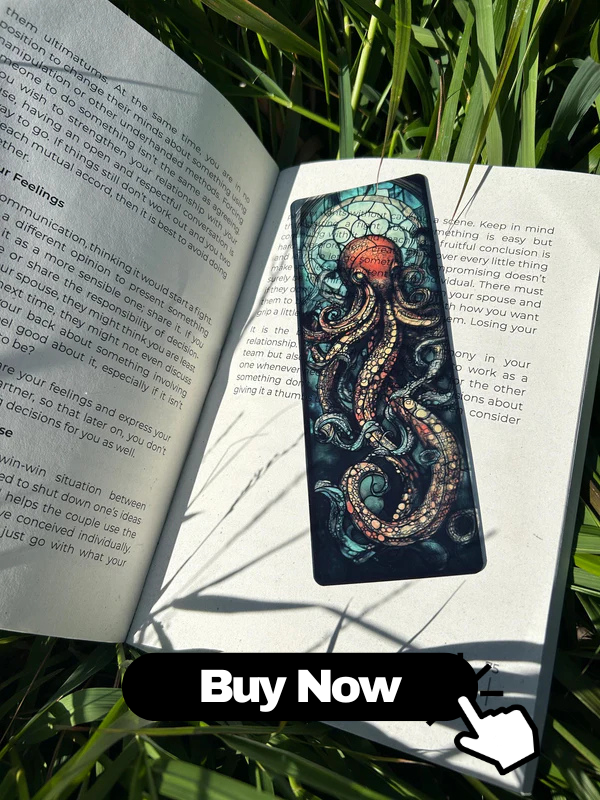
Thin and flexible bookmarks might look simple, but in the colorful world of libraries—and in the bold, graphic universe of Pop Art—they’re quiet superheroes. While thick, bulky, or rigid bookmarks can warp pages and disrupt shelving, slim and bendable bookmarks glide effortlessly between sheets of paper, preserving both the physical integrity and the visual impact of books. In this Pop Art–inspired deep dive, we’ll explore why librarians prefer thin and flexible bookmarks, how they protect collections, and what makes them an unexpectedly stylish and functional accessory for readers, designers, and book lovers.
What Are Thin and Flexible Bookmarks?
Thin and flexible bookmarks are slim markers designed to hold a reader’s place without damaging the pages or the spine of a book. Unlike rigid or bulky page holders, they slide in and out easily, conforming to the natural curve of a book.
In libraries and reading rooms, these bookmarks are often:
- Flat – usually paper, cardstock, thin plastic, or laminated materials
- Low-profile – typically less than 1 mm thick
- Flexible – they bend with the book without creasing pages
- Non-adhesive – they don’t stick to pages like tabs or notes might
From a Pop Art point of view, they are also mini-canvases: perfect for vibrant graphics, bold typography, and high-contrast illustrations that pop against the neutral tones of book pages and shelves.
Why Librarians Love Thin and Flexible Bookmarks
Librarians are guardians of books, and the tools they choose reflect that responsibility. Thin, flexible bookmarks are favored because they are gentle on books, efficient in use, and easy to standardize across large collections.
1. They Protect the Book’s Physical Structure
Thick, rigid items—such as pens, highlighters, keychains, or bulky metal clips—can deform books over time. Librarians see the impact of this daily.
- Minimal strain on the spine: A thin bookmark doesn’t force the book to bulge, bend, or sit open at an awkward angle.
- No warping of covers: Stiff or thick placeholders can cause permanent bends in paperback and hardcover covers.
- Reduced pressure on pages: Flexible bookmarks rest lightly, avoiding deep impressions or marks.
2. They Prevent Page Damage
One of the main reasons librarians prefer flexible bookmarks is their ability to mark pages without tearing, folding, or staining them.
- No dog-earing: Thin bookmarks give readers a safe alternative to folding page corners.
- Less abrasion: Soft, flexible materials are less likely to scrape or cut fragile paper fibers.
- No ink transfer: Properly designed bookmarks don’t bleed ink or paint onto pages.
3. They Preserve Shelf Order and Alignment
Library shelving is all about precision. Books need to stand upright and stay neatly aligned on shelves for browsing and cataloging.
- Stackable and uniform: Thin bookmarks don’t make books splay out or lean awkwardly.
- Better shelf stability: A collection full of books stuffed with bulky items can tip or sag on shelves.
- Easier re-shelving: Staff can slide books in and out smoothly when bookmarks are flat and flexible.
4. They Are Budget-Friendly and Efficient
Public and academic libraries operate under strict budgets. Thin bookmarks are cost-effective tools that can be ordered or printed in bulk.
- Low production cost: Simple cardstock or recycled paper bookmarks are inexpensive.
- Easy to distribute: Libraries can offer free bookmarks with library branding or reading campaign messages.
- High utility per cost: A single thin bookmark can be used repeatedly without much wear.
5. They Are Safe for All Types of Books
From children’s picture books to rare archival volumes, thin and flexible bookmarks are safe across the board.
- Suitable for brittle pages in older, delicate books
- Ideal for textbooks and reference books where multiple bookmarks may be needed
- Compatible with oversized art books and coffee-table editions
The Pop Art Aesthetic: Turning Bookmarks into Bold Art
Pop Art celebrates everyday objects, elevating them into bold, graphic icons. The simple bookmark is a perfect Pop Art subject: flat, highly visible, and endlessly customizable.
Bookmarks as Mini Pop Art Posters
Thin, flexible bookmarks can carry high-impact designs without obstructing the book’s function.
- Vibrant colors: Bright reds, yellows, blues, and neon accents stand out against book pages.
- Comic-style graphics: Halftone dots, speech bubbles, and thick outlines evoke classic Pop Art.
- Bold typography: Large, blocky fonts can feature quotes, reading slogans, or artist names.
Pop Art Themes Librarians Love
Librarians often use bookmarks as communication tools—and Pop Art–inspired designs catch attention quickly.
- Reading campaigns: “Read More,” “Check It Out,” or “Library Love” in punchy comic fonts
- Author spotlights: Stylized portraits of classic and contemporary authors
- Genre icons: Visual motifs for mystery, sci-fi, romance, fantasy, and non-fiction
Why Thin and Flexible Materials Suit Pop Art Design
From a design perspective, flat surfaces are ideal for sharp Pop Art prints.
- Clean printing surfaces: Thin cardstock and plastic ensure crisp lines and saturated color.
- Edge-to-edge artwork: Full-bleed designs maximize the bookmark’s visual impact.
- Collectible sets: Readers can collect themed series—perfect for fan engagement and library branding.
Preserving Books: A Librarian’s Perspective
For librarians, the core reason to favor thin and flexible bookmarks is preservation. They align with best practices in book care and archival handling.
Common Bookmark-Related Problems Librarians See
- Bulky objects left inside books – causing spine cracks and warped covers.
- Sticky notes and tape – leaving residue that attracts dust and damages fibers.
- Paperclips and metal objects – rusting, tearing pages, and imprinting marks.
- Improvised “bookmarks” – receipts, wrappers, or folded paperwork that protrude.
Thin bookmarks are specifically chosen to avoid these issues while still serving the same function.
Why Thickness Matters for Long-Term Preservation
- Even pressure: Thin bookmarks distribute minimal pressure across a small area.
- No permanent deformation: Books can close fully and maintain their original shape.
- Safe removal: Flexible bookmarks slide out smoothly, even in tightly bound or old books.
The Role of Bookmarks in Archival Collections
In archives, conservationists and librarians may use acid-free, thin paper slips instead of decorative bookmarks, but the principle is the same:
- Materials must be chemically stable and non-reactive.
- They should be thin and unobtrusive, leaving no physical or chemical trace.
- They must be easily removable without risk to the document or book.
Materials Used for Thin and Flexible Bookmarks
Not all bookmarks are created equal. Understanding the materials helps explain why librarians prefer certain types over others.
Common Materials for Library-Friendly Thin Bookmarks
-
Cardstock (lightweight):
- Thin, slightly rigid but still flexible
- Ideal for printing Pop Art visuals and text
- Can be laminated for durability
-
Laminated paper:
- Protects artwork and text from wear
- Easy to wipe clean—useful in high-traffic libraries
- Stays flat with moderate flexibility
-
Thin plastic or polypropylene:
- Highly flexible and durable
- Water-resistant and tear-resistant
- Perfect for repetitive use in lending libraries
-
Recycled paper:
- Eco-friendly choice that aligns with sustainable library policies
- Often has a pleasant texture that readers enjoy
- Can still be very thin and flexible if designed properly
Materials Librarians Tend to Avoid
- Thick leather or wood: Attractive but often too bulky and rigid.
- Heavy metal bookmarks: Can dent or rip pages and are not flexible.
- Sharp-edged plastic: Risk of cutting or creasing pages.
- Glitter or textured surfaces: May shed particles or scratch pages.
Acid-Free and Archival-Quality Options
For special collections or long-term use, librarians look for acid-free, archival-quality bookmarks:

- They won’t discolor pages over time.
- They won’t off-gas harmful chemicals.
- They remain stable and thin even after years of use.
Ergonomics, Comfort, and Reader Experience
Readers, like librarians, benefit from the practical design of thin bookmarks. They are easier to use, more comfortable to handle, and less distracting.
Ease of Insertion and Removal
- Slides in quickly: A slim bookmark can be placed with a single motion.
- Grabs just the right spot: It marks the line or page clearly without slipping.
- Doesn’t snag: Flexible edges avoid catching on uneven cuts or damaged pages.
Comfort While Reading
- No bulky bump: The book lies almost as flat as if there were no bookmark at all.
- Less hand fatigue: The spine remains naturally curved; readers don’t need to fight against resistance.
- Discreet presence: Thin bookmarks are there when needed, invisible when not.
Visual Focus on the Page
Pop Art designs are often bold and eye-catching, but good bookmark design also respects the reading experience.
- Limited visual interference: When the book is open, the bookmark can be tucked slightly out of the way.
- Clear line markers: Some thin bookmarks include subtle line or margin guides for quickly finding where you left off.
- Front or top tab only: Many librarians prefer bookmarks that don’t protrude too far out of the book.
Organization and Library Systems: How Bookmarks Help
In a library, bookmarks can be informational tools and organizational aids, not just page markers.
Bookmark-Based Communication with Patrons
- Due date reminders: Thin bookmarks can include space for stamping or printing return dates.
- Library policies: Quick guides to borrowing limits, renewal rules, and late fees.
- Program promotion: Advertise events, reading challenges, or book clubs on Pop Art–style bookmarks.
Assisting with Research and Study
For students and researchers, multiple thin bookmarks can create a visual system inside a book.
- Color-coded bookmarks for different topics or chapters.
- Numbered or labeled bookmarks to mark sequences of references.
- Thin bookmarks combined with external notes or citation logs.
Enhanced Browsing Experience
- Featured collection markers: Libraries can insert themed bookmarks into curated displays.
- Readers’ advisory: Bookmarks recommending “If you like this, try…” enhance discovery.
- Series tracking: Thin bookmarks listing titles in a series help readers follow reading order.
Sustainability and Eco-Friendly Bookmark Options
Modern librarians are increasingly focused on sustainability. Thin and flexible bookmarks can be environmentally responsible when designed thoughtfully.
Eco-Friendly Materials
- Recycled paper and cardboard: Reduces waste and resource use.
- Soy- or water-based inks: Lower chemical impact on the environment.
- Biodegradable coatings: Offer some protection without long-term plastic pollution.
Reducing Waste in Libraries
- Durable thin bookmarks: Last longer, reducing the need for frequent reprints.
- Multi-use designs: One bookmark can serve as both a place marker and an informational flyer.
- Encouraging reuse: Librarians often encourage patrons to keep and reuse their bookmarks.
Aligning Sustainability with Pop Art Style
There’s no contradiction between eco-conscious design and Pop Art aesthetics:
- Use limited color palettes with bold contrasts to reduce ink use.
- Highlight environmental messages in big, graphic typography.
- Create series promoting “Green Reading,” “Sustainable Libraries,” or “Eco-Friendly Bookmarks.”
Design Tips for Pop Art–Inspired Thin Bookmarks
If you’re creating bookmarks for a library, bookstore, or reading community, leveraging the Pop Art style can make them fun, recognizable, and memorable—while staying thin and functional.
Key Pop Art Design Elements
- Bold color blocks: Use primary colors with strong contrast.
- Comic-inspired outlines: Thick black lines and simple shapes.
- Graphic patterns: Dots, stripes, zigzags, and repeated icons.
- Speech bubbles and captions: Insert quotes about reading or literacy.
Balancing Art and Functionality
- Maintain thinness: Avoid raised textures or thick lamination that adds bulk.
- Readable text: Ensure any informational text is legible at a glance.
- Trim size carefully: Standard bookmark sizes (e.g., 2" x 6") fit most books without overhang.
SEO-Friendly Content on Bookmarks?
While bookmarks themselves don’t directly influence online search results, they can support your SEO strategy for library websites or blogs when integrated into a broader campaign.
- Include your library or bookstore URL on the bookmark.
- Promote discoverable hashtags or campaign names readers might search.
- Encourage users to visit a specific landing page about bookmarks, reading tips, or Pop Art design.
How to Choose the Right Thin Bookmark
For librarians, educators, and readers, selecting the best bookmark involves considering purpose, material, design, and usability.
Questions to Ask When Selecting Bookmarks
-
Who will use them?
- Children, teens, adults, or mixed audiences?
- Casual readers vs. researchers?
-
Where will they be used?
- Public library, school library, university library, or home?
- High-traffic circulation or quiet reading rooms?
-
How long should they last?
- Short-term event promotion or long-term general use?
Checklist for Library-Approved Thin Bookmarks
- Thin profile: Does it add minimal bulk to the book?
- Flexibility: Can it bend easily without cracking?
- Non-damaging material: Is it smooth, with no sharp edges?
- Legible information: Are any messages or branding clear and concise?
- Appealing design: Does the Pop Art styling invite use and collection?
Popular Types of Thin Bookmarks in Libraries
- Standard flat cardstock bookmarks with library logos and reading slogans
- Program-specific bookmarks promoting summer reading or literacy campaigns
- Educational bookmarks listing citation formats, research tips, or call number systems
Bookmark Etiquette in Libraries
Librarians often share informal bookmark etiquette with patrons to keep collections in excellent condition.
Do’s for Using Bookmarks in Library Books
- Do use thin, flexible bookmarks that don’t stress the book’s spine.
- Do remove bookmarks before returning books if they contain personal information.
- Do keep bookmarks clean and dry—avoid food or liquids near books.
Don’ts That Librarians Wish Everyone Knew
- Don’t use bulky objects like pens, phones, or thick notepads inside books.
- Don’t dog-ear pages or fold covers to mark your place.
- Don’t use sticky or adhesive tabs that can tear or stain pages in circulating books.
How Librarians Promote Good Bookmark Habits
- Handing out free thin bookmarks at the circulation desk.
- Designing posters and displays about how to care for library books.
- Creating Pop Art–inspired campaigns that make proper book care fun and visually engaging.
Frequently Asked Questions About Thin and Flexible Bookmarks
Are thin bookmarks really better for books than thick ones?
Yes. Thin bookmarks exert less pressure on the spine and pages, reducing the risk of warping, tearing, or creating permanent impressions. That’s why librarians overwhelmingly prefer them.
Can flexible plastic bookmarks damage books?
Thin, smooth plastic bookmarks are usually safe. The key is flexibility and smooth edges. Very stiff or sharp-edged plastic can be problematic, so librarians choose softer, more pliable options.
What type of bookmark is best for old or fragile books?
For delicate or archival materials, acid-free, thin paper slips are preferred. These are extremely light and chemically stable, minimizing any risk to sensitive pages.
Why do librarians give away bookmarks?
Bookmarks are educational tools, promotional items, and preservation aids. Free thin bookmarks encourage patrons to stop dog-earing pages and to treat library books gently, while also sharing library information and campaigns.
Can bookmarks be both Pop Art–styled and library-approved?
Absolutely. As long as they remain thin, flexible, smooth, and non-damaging, librarians welcome bold Pop Art designs that celebrate reading and library culture.
Conclusion: Small Tools, Big Impact
In the vivid, graphic language of Pop Art, everyday objects become icons—and thin, flexible bookmarks deserve that spotlight. To librarians, these slim tools are essential for book preservation, reader comfort, and efficient library management. They keep shelves orderly, protect fragile pages, and serve as compact billboards for literacy, events, and artistic expression.
Whether you’re a librarian, designer, educator, or avid reader, choosing a thin and flexible bookmark is a simple decision with a powerful effect. You’re not just marking your place—you’re respecting the book, supporting the library, and adding a burst of visual culture to every reading session.