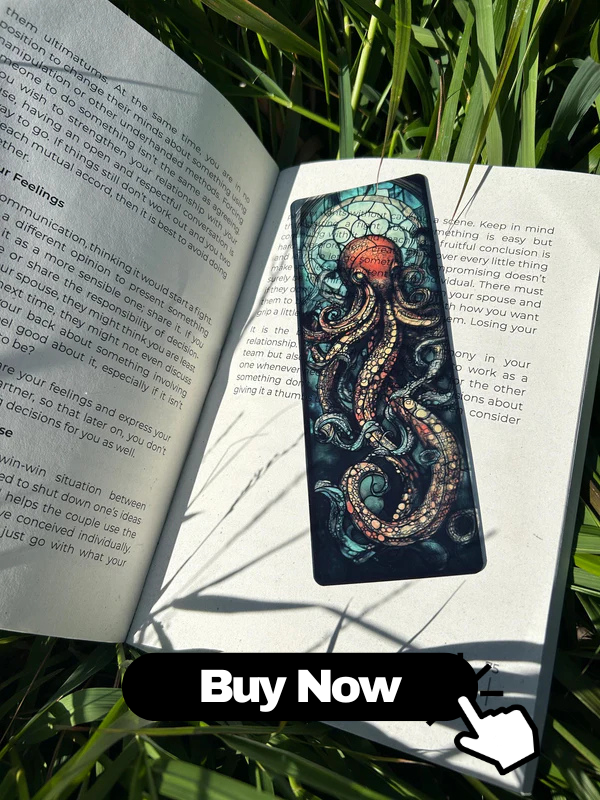
Thin bookmarks have quietly become the preferred choice for readers who truly care about their books. Far from being a trivial accessory, the thickness, material, and design of a bookmark can significantly affect the physical condition of a book, the comfort of reading, and even the overall reading experience. In this comprehensive guide, we explore why serious readers choose thin bookmarks, how they help protect books, and what to consider when selecting the best bookmark for long-term use.
What Are Thin Bookmarks?
Thin bookmarks are slim, low-profile page markers specifically designed to sit between pages without adding bulk or stressing the book’s spine. They are usually:
- Flat and flexible rather than rigid or chunky
- Made from paper, cardstock, plastic, metal, or fabric
- Designed to be no thicker than a single or a few sheets of paper
- Easy to slide in and out without snagging or tearing pages
Unlike thick bookmarks, magnetic clips, or bulky objects used as placeholders (such as pens or receipts), thin bookmarks preserve the natural shape and alignment of the book. This is a key reason why readers and collectors who value book longevity often prefer them.
Why Thin Bookmarks Matter to Book Lovers
Readers who care deeply about their books usually have three main priorities:
- Protecting the physical condition of the book
- Maintaining a comfortable, distraction-free reading experience
- Preserving the book for long-term use or collection
Thin bookmarks support all three priorities because they:
- Minimize pressure on the spine by not forcing the book open
- Reduce page warping and indentation compared to thicker objects
- Keep the reading profile flat, allowing the book to rest and close naturally
- Avoid causing permanent creases or marks on delicate pages
For bibliophiles, archivists, and anyone building a personal library, the choice of bookmark is not cosmetic; it is a book conservation decision.
How Thin Bookmarks Protect Books
Thin bookmarks play a crucial role in book preservation and book care. The physical structure of a book is more fragile than it appears, and small daily stresses can lead to long-term damage.
1. Reduced Stress on the Spine
The spine of a book is where pages are bound together. Excessive pressure on the spine can lead to:
- Cracked or broken spines
- Loose or detached pages
- Permanent misalignment of the book’s binding
Thick bookmarks or bulky placeholders lift pages unevenly, creating a bulge where the bookmark sits. Over time, this can deform the spine. Thin bookmarks, by contrast, allow the book to close almost completely flat, reducing mechanical stress.
2. Less Page Warping and Imprinting
Pages can warp or develop impressions when pressed against thicker objects. Thin bookmarks help because they:
- Sit flush with the page surface, leaving fewer indentations
- Do not force the surrounding pages to curve unnaturally
- Are gentle on thin, high-quality, or antique paper
For collectors of first editions, rare books, or vintage paperbacks, minimizing physical marks is essential for maintaining value.
3. Protection from Accidental Damage
Improvised bookmarks—like pens, highlighters, tissues, paperclips, or folded corners—can lead to unintended damage:
- Paperclips can rust or tear pages
- Bulky items can fall out and fold or crumple pages
- Dog-earing (folding page corners) permanently creases paper fibers
Thin bookmarks provide a stable, dedicated marking solution that reduces the need for damaging improvisations.
Materials Used in Thin Bookmarks
The material of a thin bookmark affects both durability and book safety. Common materials include:
1. Paper and Cardstock Bookmarks
- Thin, coated paper is inexpensive and lightweight
- Acid-free archival paper is recommended for rare or valuable books
- Can be easily printed with artwork, quotes, or branding
Readers who care about both book aesthetics and preservation often favor acid-free, lignin-free paper bookmarks to avoid long-term discoloration.
2. Plastic and Laminate Bookmarks
- Thin plastic bookmarks are flexible, durable, and water-resistant
- Laminated bookmarks protect printed designs from wear
- Good for everyday reading, travel, and children’s books
It is best to choose very thin plastic to ensure the bookmark does not add significant bulk between pages.
3. Metal Bookmarks
- Often made from stainless steel, brass, or aluminum
- Can be extremely thin yet strong, reducing denting or tearing
- Ideal for readers who want a slim, long-lasting, premium bookmark
Metal bookmarks should have smooth, rounded edges to avoid scratching or cutting the paper.
4. Fabric and Ribbon Bookmarks
- Ribbon bookmarks are commonly sewn into hardcover books
- External fabric bookmarks can be very thin and soft
- Often used to add a luxurious or vintage feel
Thin, flat ribbons are especially popular because they conform to the page shape without adding thickness.
Thin Bookmarks vs. Thick Bookmarks
Understanding the difference between thin and thick bookmarks helps clarify why dedicated readers overwhelmingly choose thinner options.
Advantages of Thin Bookmarks
- Minimal impact on book structure (less spine and page stress)
- Better alignment with the natural closing of the book
- More comfortable to carry books in bags or backpacks
- Less likely to fall out due to being flush with the pages
- Ideal for fragile, old, or collectible books
Disadvantages of Thick Bookmarks
- Cause a visible bulge where the bookmark sits
- Can stretch or deform the binding over time
- May leave deep impressions on adjacent pages
- Can be uncomfortable when stacking or shelving books
When Are Thicker Bookmarks Acceptable?
In some cases, slightly thicker bookmarks may be acceptable, such as:
- Casual reading of mass-market paperbacks
- Temporary use in non-collectible or workbooks
- Children’s books where durability is more important than preservation
However, for long-term book care, book collecting, and archival purposes, thin bookmarks are decidedly superior.
Thin Bookmarks and Reading Comfort
Beyond preservation, thin bookmarks also enhance the reading experience itself.
1. Less Distraction While Reading
Thin bookmarks sit quietly within the pages, which:

- Reduces visual clutter and distraction
- Makes it easier to focus on the text
- Prevents awkward bumps that shift your hand placement
2. Easier to Hold the Book
With a thin bookmark:
- The book remains evenly balanced in the hand
- There is no awkward thickness at the point of the marker
- Readers can comfortably read for longer periods
3. Better for Travel and On-the-Go Reading
Thin bookmarks are ideal for people who read while commuting, traveling, or studying:
- They do not snag or catch in bags
- They lie flat, making the book easy to pack
- They are less likely to cause accidental page folds
The Collector’s Perspective on Thin Bookmarks
For book collectors, librarians, archivists, and rare book dealers, the choice of bookmark is especially important.
1. Preserving Value
- Rare and first-edition books can lose value if they show signs of stress or damage
- Indentations, spine cracks, or warped pages can significantly reduce collectible worth
- Collectors prefer bookmarks that are archival-safe, acid-free, and ultra-thin
2. Avoiding Chemical Damage
Archivally minded readers seek bookmarks that are:
- Acid-free, to prevent yellowing or deterioration of pages
- Free from invasive inks or dyes that may transfer or bleed
- Stable over time, without breaking down or sticking to pages
3. Compatibility with Archival Storage
Books stored in boxes, slipcases, or archival sleeves should not be distorted by bulky items inside them. Thin bookmarks are ideal because they:
- Maintain the original spine shape
- Allow books to fit naturally in tight storage spaces
- Reduce risk of pressure damage from tightly packed shelves
Design and Aesthetics of Thin Bookmarks
Readers who care about books often also care about book aesthetics. Thin bookmarks can be both functional and beautiful.
Popular Design Features
- Minimalist designs that complement the book rather than overpower it
- Literary quotes, classic artwork, or typography related to reading
- Themed bookmarks for genres: fantasy, classics, mystery, romance
Personalization Options
Thin bookmarks can easily be customized for:
- Gift-giving (names, dates, special messages)
- Book clubs, libraries, and bookstores with branded designs
- Personal reading goals or favorite authors
Balancing Beauty and Function
While ornate, three-dimensional bookmarks can look attractive, they often add thickness. Serious readers tend to choose designs that are:
- Elegant but flat
- Durable yet gentle on pages
- Visually pleasing without compromising book safety
Best Practices for Using Thin Bookmarks
To fully benefit from thin bookmarks, it helps to use them correctly.
1. Insert Carefully
- Place the bookmark fully inside the book, aligned with the page edge
- Avoid inserting it at an angle that could bend or wrinkle the page
- Do not push it too hard into the spine area; keep it closer to the fore edge
2. Avoid Overstacking Bookmarks
Some readers use multiple bookmarks in a single book. To minimize damage:
- Limit to one or two thin bookmarks per book
- Avoid stacking several bookmarks on top of each other
- Consider using sticky flags or index tabs for multiple reference points (in non-collectible books)
3. Store the Book Properly
- Do not store books face down while open, even with a bookmark
- Keep books standing upright, with light pressure from neighboring books, not tightly squeezed
- Make sure the bookmark is fully inside to avoid bending the cover
How to Choose the Right Thin Bookmark
When selecting a bookmark, thoughtful readers consider several factors beyond appearance.
Key Criteria
- Thickness: The thinner, the better for book preservation.
- Material Safety: Acid-free, smooth, and non-abrasive is ideal.
- Size and Fit: Proportional to the book’s height and width.
- Durability: Resistant to bending, tearing, or fading.
- Purpose: Everyday reading, academic study, or archival storage.
Recommendations by Use Case
- Everyday reading: Thin laminated paper or plastic bookmarks.
- Collectible and rare books: Acid-free paper or ultra-thin metal bookmarks.
- Study and research: Very thin bookmarks combined with removable sticky flags.
- Children’s books: Durable thin plastic bookmarks with rounded edges.
Eco-Friendly and Sustainable Thin Bookmarks
Environmentally conscious readers often look for sustainable bookmark options that also protect their books.
Eco-Friendly Materials
- Recycled paper or cardstock
- Bamboo fiber or plant-based materials
- Biodegradable plastics where available
Sustainable Practices
- Choosing reusable, long-lasting bookmarks over disposable scraps
- Supporting brands that use responsibly sourced or recycled materials
- Repurposing thin materials (like packaging card) into DIY bookmarks—while ensuring they are smooth and non-abrasive
Eco-friendly thin bookmarks allow readers to protect their books and the environment simultaneously.
Common Mistakes to Avoid When Marking Your Place
Even with a thin bookmark, some habits can still lead to unnecessary wear and tear.
1. Using Non-Bookmark Objects
- Avoid pens, pencils, thick receipts, highlighters, and keys
- These can cause bumps, imprints, and page deformation
2. Placing the Bookmark Too Deep into the Spine
- Inserting a bookmark tightly into the gutter area can strain the binding
- Keep it closer to the outer edge of the page
3. Combining Bookmarks with Dog-Earing
- Using both thin bookmarks and folded page corners defeats the purpose of preservation
- Choose one gentle, non-destructive method—ideally a thin, archival-safe bookmark
FAQ: Thin Bookmarks and Book Care
Are thin bookmarks really better for books than thick ones?
Yes. Thin bookmarks distribute less pressure on the spine and pages, reducing long-term damage, warping, and indentations. For readers who value book condition, they are the superior choice.
Can metal bookmarks damage pages?
They can if they have sharp or rough edges. Choose ultra-thin metal bookmarks with smooth, rounded edges to minimize risk. Used properly, they are safe and very durable.
Is it okay to leave a thin bookmark in a book for years?
For long-term storage, opt for acid-free, archival-quality bookmarks and ensure the book is stored upright in a dry, stable environment. Avoid bookmarks with unstable inks or adhesives.
What is the safest bookmark for very old or rare books?
The safest options are:
- Acid-free, lignin-free paper bookmarks
- Very thin, smooth metal bookmarks
Always keep them flat and avoid overstuffing shelves where pressure may compress the book too tightly.
Do librarians and archivists recommend thin bookmarks?
Yes. Professional guidance in book conservation and library science consistently recommends thin, acid-free, non-invasive markers over bulky items or damaging habits like dog-earing.
Conclusion: Why Thin Bookmarks Are the Best Choice for Book Care
Readers who care about their books understand that small habits have long-term consequences for book condition. Choosing thin bookmarks is a simple, effective way to:
- Protect the spine, pages, and binding
- Preserve the value and appearance of both everyday and collectible books
- Enhance reading comfort and convenience
- Align with eco-friendly and archival-safe practices
Whether you are a casual reader building a home library, a serious book collector, or someone who simply values the feel of a well-kept book, choosing a thin, well-designed bookmark is one of the easiest and most impactful ways to practice good book care. By selecting and using thin bookmarks thoughtfully, you ensure that your favorite stories remain as beautiful and readable in the future as they are today.