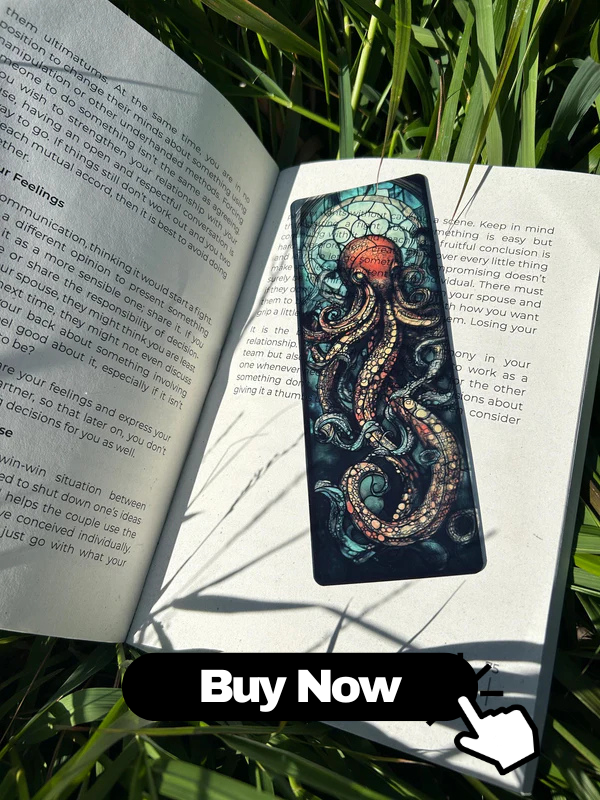
For readers who truly care about their books, every detail of the reading experience matters—especially the bookmark. While decorative, chunky, or souvenir-style markers might catch the eye, more and more book lovers deliberately choose thin bookmarks to protect their pages, preserve bindings, and enhance their overall reading comfort. This in-depth guide explores why serious readers prefer slim, flat bookmarks, how they protect physical books, and what to look for when selecting the best thin bookmark for long‑term use.
What Are Thin Bookmarks?
Thin bookmarks are page markers designed with a low profile, minimal thickness, and a flat structure that slips neatly between pages without causing pressure or distortion. Unlike heavy or padded bookmarks, a high-quality thin bookmark is almost imperceptible when the book is closed.
Typical characteristics of thin bookmarks include:
- Minimal thickness – often made from thin paper, cardstock, plastic, metal, or fabric
- Flat surface – no bulky decorations or raised elements that press into pages
- Lightweight design – does not add significant weight to the book or strain the binding
- Page-safe edges – smooth or rounded edges to avoid tearing or denting paper
These slim bookmarks are especially popular with:
- Book collectors who want to keep their editions in near-mint condition
- Students and researchers who mark multiple sections of reference materials
- Daily readers who value comfort, portability, and long reading sessions
Why Book Lovers Prefer Thin Bookmarks
Readers who care deeply about the condition and longevity of their books choose thin bookmarks for a variety of practical and aesthetic reasons.
1. Protecting the Physical Integrity of Books
- Less strain on the spine: Thick or irregular bookmarks can force the covers apart, putting unnecessary pressure on the binding and glue.
- Reduced risk of page warping: Bulky objects between pages create constant, uneven pressure that often leads to warped or rippled pages.
- No “bookmark imprint”: Heavy or textured bookmarks can leave a faint impression or indentation on adjacent pages over time.
2. Preserving Rare and Collectible Editions
For collectors and bibliophiles, a book is more than a story—it’s an investment and a piece of cultural history.
- Delicate papers: Older or limited editions may use thin, fragile paper that is easily damaged by rigid objects.
- Dust jacket protection: Thin bookmarks allow the covers and dust jackets to close flush, reducing exposure to dust and light.
- Maintained resale value: Keeping books flat and unwarped helps preserve their condition and potential resale value.
3. Enhancing the Reading Experience
Thin bookmarks don’t just protect books; they also make reading more comfortable and enjoyable.
- Comfortable in hand: A subtle, flat bookmark doesn’t dig into your palm or fingers while reading.
- No visual distraction: Slim designs minimize distractions by blending into the page edge instead of protruding dramatically.
- Easy portability: Thin bookmarks fit easily inside pockets, pouches, or between pages of multiple books in a bag.
4. Practicality for Heavy Readers
- Multiple bookmarks per book: Readers who annotate, cross-reference, or study can use several thin bookmarks without overstuffing the spine.
- Clear page marking: Many thin bookmarks feature printed lines, tabs, or color-coding to help quickly find key sections.
- Less wear over time: Constant opening and closing of a book with a thick object inside accelerates wear, which thin bookmarks help prevent.
How Thin Bookmarks Protect Books
Readers who care about their collections understand the mechanics of how thin bookmarks help preserve a book’s structure and appearance.
1. Minimal Impact on Book Spine and Binding
The spine of a book is designed to close evenly. Introducing a thick element can cause long-term stress.
- Even pressure distribution: Thin bookmarks sit nearly flush with pages, keeping pressure uniformly distributed.
- Less cracking and splitting: Reduced tension on the spine minimizes cracking of paperbacks and splitting of hardback bindings.
- Protection of glued bindings: Modern paperbacks often rely on glue; thin bookmarks prevent excessive flexing and separation.
2. Preventing Page Damage
- No dents or “ghost marks”: Chunky, rigid bookmarks can leave visible dents; thinner versions largely avoid this.
- Reduced edge wear: Overfilled books rub their page edges more, causing fraying or discoloration over time.
- Less friction when turning pages: Thin, smooth surfaces slide more easily across pages, lowering the chance of accidental tears.
3. Avoiding Warping and “Book Fatigue”
- Natural resting position: A book with a thin bookmark can close almost completely, maintaining its natural shape.
- Protection from long-term distortion: Continuous pressure from thick items can permanently warp covers and pages; thin bookmarks avoid this risk.
- Ideal for long-term storage: For books stored on shelves for years, thin bookmarks are vastly safer than clips, pens, or objects left inside.
Common Materials Used for Thin Bookmarks
Different materials offer varying levels of durability, flexibility, and book-friendliness. Readers who care about books choose materials that balance thinness with protection.
1. Paper and Cardstock Thin Bookmarks
-
Pros:
- Extremely thin and flexible
- Highly customizable with printing, illustrations, and quotes
- Affordable and widely available
-
Cons:
- Less durable; can bend or tear with heavy use
- May absorb moisture and warp
- Best for: Casual daily reading, promotional bookmarks from bookstores, light reference marking
2. Plastic and Laminated Thin Bookmarks
-
Pros:
- Very durable and long-lasting
- Water-resistant and easy to wipe clean
- Can remain thin while adding color and design
-
Cons:
- If too rigid, may be slightly less forgiving on fragile pages
- Non-biodegradable unless using special eco-plastics
- Best for: Students, travelers, and heavy readers who use bookmarks daily
3. Metal Thin Bookmarks
-
Pros:
- Ultra-thin yet strong and long-lasting
- Elegant aesthetic—often favored as premium thin bookmarks
- Resistant to bending and creasing
-
Cons:
- Can have sharp edges if poorly manufactured
- May feel cold or rigid, less suitable for very delicate paper
- Best for: Gift bookmarks, collectors, luxury editions, and special reading experiences
4. Fabric and Ribbon Thin Bookmarks
-
Pros:
- Extremely flexible and gentle on pages
- Can be incredibly thin while adding a touch of elegance
- Often integrated into hardcover books as built-in markers
-
Cons:
- May fray over time if not finished properly
- Can absorb oil or dirt from hands
- Best for: Hardcovers, journals, Bibles, and literary classics
5. Magnetic Thin Bookmarks
-
Pros:
- Clamp lightly around the page, staying securely in place
- Usually quite thin despite the magnets
- Good for marking exact lines or passages
-
Cons:
- Some designs can be slightly thicker than single-layer bookmarks
- If overstuffed (many in one spot), can create mild pressure
- Best for: Study guides, textbooks, planners, and active note-takers
Thin Bookmarks vs. Bulky Bookmarks
Understanding the difference between thin and bulky bookmarks helps explain why readers who prioritize book care overwhelmingly prefer slim designs.
1. Physical Impact on the Book
-
Thin bookmarks:
- Lie flat and maintain the book’s natural shape
- Create little to no gap between covers
- Allow for smooth closing and stacking on shelves
-
Bulky bookmarks:
- Force the book open, creating a wedge-like gap
- Lead to long-term warping and spine stress
- Make stacked books unstable or uneven
2. Daily Reading Comfort
-
Thin bookmarks:
- Almost unnoticeable while reading
- Do not disrupt page turning or hand placement
- Easy to reposition quickly
-
Bulky bookmarks:
- Can feel awkward in the hand, especially near the spine
- Often fall out of place when the book is moved
- May scratch or dent pages if they include metal charms or beads
3. Long-Term Storage and Shelf Life
-
Thin bookmarks:
- Ideal for long-term storage of valuable copies
- Allow flat stacking and tight shelving without distortion
- Safer for archival collections and library materials
-
Bulky bookmarks:
- Can permanently deform pages when books are compressed on a shelf
- More likely to cause dust jackets to warp or curl
- Not recommended for rare, vintage, or collectible books
How to Choose the Best Thin Bookmark
Not all thin bookmarks are created equal. Readers who care about books consider several key factors before choosing a favorite page marker.
1. Consider the Type of Book
-
Paperbacks:
- Choose ultra-thin, flexible materials (paper, ribbon, or thin plastic)
- Avoid unnecessarily rigid or sharp-edged metal bookmarks
-
Hardcovers and textbooks:
- Durable thin plastic or laminated bookmarks work well
- Magnetic thin bookmarks can be ideal for textbooks that require precise marking
-
Collectible and antique books:
- Opt for archival-safe, acid-free paper or soft fabric
- Avoid adhesives, clips, or anything that clamps too tightly
2. Pay Attention to Edges and Finish
- Smooth, rounded corners help prevent accidental page tears.
-
Matte vs. glossy finish:
- Matte surfaces reduce glare and fingerprints
- Glossy finishes resist moisture but may stick slightly to some papers
-
Printed ink quality:
- High-quality ink is less likely to transfer or stain pages
- Archival-quality printing is best for long-term use
3. Evaluate Thickness and Flexibility
-
Ideal thinness:
- Should feel similar to or only slightly thicker than a single-page card
- Should not create visible bulges when the book is closed
-
Flexibility:
- Should bend gently without creasing the page beneath
- Overly stiff bookmarks can act like levers, stressing the binding
4. Functionality and Design Features
- Line markers or cut-outs: Some thin bookmarks include small notches or windows to mark a specific line.
- Numbered or color-coded sets: Useful for students, researchers, and non-fiction readers who mark multiple spots.
- Readable fonts and quotes: Many readers enjoy bookmarks with literary quotes or clean typography.
5. Aesthetic Preferences
- Minimalist designs: Simple, elegant designs appeal to those who want the bookmark to blend with the book.
- Artistic illustrations: Detailed artwork can turn a thin bookmark into a miniature piece of art.
- Brand or collection themes: Some readers coordinate bookmarks with series, genres, or seasonal reading themes.
Thin Bookmarks for Different Types of Readers
The ideal thin bookmark varies depending on how and why you read.

1. Casual Fiction Readers
- Prefer lightweight, affordable thin bookmarks
- Often choose paper or laminated bookmarks from bookstores
- Enjoy decorative designs that reflect their favorite genres or authors
2. Students and Academic Readers
- Need multiple thin bookmarks per book for fast referencing
- Often choose color-coded or numbered thin bookmarks
- Benefit from magnetic slim markers that won’t fall out
3. Researchers and Non-Fiction Enthusiasts
- Use thin bookmarks alongside sticky flags or index tabs
- Prefer bookmarks with note-taking areas or simple designs
- Choose materials that endure frequent repositioning and long reading sessions
4. Collectors and Bibliophiles
- Prioritize archival-safe, non-damaging materials
- Lean toward fabric ribbons, acid-free paper, or high-quality metal bookmarks
- Often treat bookmarks themselves as collectibles, curating bookmark collections that are as curated as their libraries
5. Travelers and Commuters
- Need durable, portable, and secure thin bookmarks
- Favor plastic or magnetic thin bookmarks that withstand daily movement
- Benefit from slim designs that don’t snag inside bags or pockets
Care and Maintenance of Thin Bookmarks
Even simple bookmarks deserve proper care, especially when you use them to protect books you love.
1. Proper Storage
- Store unused thin bookmarks in a flat, dry place such as:
- A small box or tin
- Inside a drawer with other stationery
- In a bookmark album or photo sleeve pages
- Avoid exposing them to:
- Direct sunlight (which can fade colors)
- Excessive humidity (which can warp paper and fabric)
2. Cleaning and Handling
- Paper and cardstock: Brush gently with a dry, soft cloth; avoid liquids.
- Plastic and laminated: Wipe lightly with a slightly damp cloth and dry immediately.
- Metal: Use a soft cloth; avoid abrasive cleaners that may scratch or create sharp edges.
- Fabric: Spot-clean carefully; do not soak unless the fabric is colorfast and simple.
3. Avoiding Common Mistakes
- Do not use multiple thick items together in the same book (e.g., bookmark + pen + notes) if you care about the binding.
- Avoid using:
- Paper clips or binder clips (they can dent or rust)
- Receipts, tickets, or sticky notes long-term (they may transfer ink or adhesive)
- Bulky souvenirs (like keychains or beaded charms) as everyday bookmarks
Eco-Friendly and Sustainable Thin Bookmarks
Many modern readers care about not only their books but also the environment. Fortunately, there are many eco-friendly thin bookmark choices.
1. Recycled Paper Bookmarks
- Made from post-consumer recycled paper
- Often printed with soy-based or water-based inks
- Can be recycled again if they eventually wear out
2. Sustainable Wood Pulp and Plant-Based Materials
- Bookmarks created from sustainably sourced pulp or alternative fibers (bamboo, hemp)
- Maintain thinness while reducing environmental impact
- Appeal to eco-conscious readers and zero-waste enthusiasts
3. Durable, Reusable Metal and Fabric Bookmarks
- Long-lasting, reducing the need for frequent replacements
- Often passed down or gifted instead of discarded
- Can be considered heirloom-quality thin bookmarks when crafted with care
DIY Thin Bookmark Ideas for Creative Readers
Making your own thin bookmarks is a rewarding way to personalize your reading experience while ensuring book-safe design.
1. Simple Paper and Cardstock DIY Bookmarks
- Cut a strip of acid-free cardstock to your preferred dimensions (commonly 2 x 6 inches).
- Decorate with:
- Hand-drawn illustrations or calligraphy
- Printed quotes or favorite passages
- Stamps or light watercolor washes (thin and dry thoroughly)
- Optionally laminate to increase durability without adding much bulk.
2. Washi Tape Edge Bookmarks
- Use a slim piece of cardstock as a base.
- Decorate edges with washi tape, which is thin and lightweight.
- Trim any overhanging tape to ensure smooth, flat edges.
3. Ribbon or Fabric Strip Bookmarks
- Cut a length of thin ribbon or tightly woven fabric strip slightly longer than the book’s height.
- Seal the ends to prevent fraying:
- Use fabric glue, fray check, or a small stitched hem.
- Optional: Add a very small, flat charm at one end, ensuring it remains book-safe and not too thick.
4. Upcycled Materials as Thin Bookmarks
- Repurpose:
- Old postcards (cut into strips)
- Gift tags (trimmed to remove bulky ribbons)
- Thin packaging with attractive designs
- Always test for ink fastness to ensure no color rubs off onto pages.
Thin Bookmarks in Book Collecting & Gifting
Thin bookmarks have become an essential accessory in the world of book collecting, book clubs, and literary gifting.
1. Thin Bookmarks as Collectibles
- Many readers build bookmark collections that mirror their book collections.
- Popular collectible themes include:
- Bookstore-branded thin bookmarks
- Author and series-specific designs
- Limited-edition literary art bookmarks
- Thinness allows collectors to store hundreds in compact albums or boxes.
2. Pairing Thin Bookmarks with Gifted Books
- A thoughtfully chosen thin bookmark enhances any book gift.
- Consider:
- Matching bookmark artwork to the book’s cover or theme
- Adding a handwritten note on the back of a paper bookmark
- Including a set of thin bookmarks for long series or box sets
- Thin bookmarks ensure that the gift does not compromise book condition.
3. Book Club and Event Favors
- Thin bookmarks are ideal book club favors:
- Easy to produce in bulk
- Customizable with the club name, date, or featured title
- Popular at:
- Author events and readings
- Library programs
- Literary festivals and conventions
Frequently Asked Questions About Thin Bookmarks
Are thin bookmarks really better for books than thick ones?
Yes. Thin bookmarks exert far less pressure on the spine and pages, reducing the risk of warping, creasing, and binding damage—especially important for collectors and heavy readers.
Can metal thin bookmarks damage pages?
High-quality metal bookmarks designed with smooth, rounded edges are generally safe. Avoid poorly finished designs with sharp corners or cut-outs that may snag delicate paper.
Are magnetic thin bookmarks safe for all types of books?
Most magnetic thin bookmarks are safe for modern books, particularly textbooks and paperbacks. For rare or very fragile books, some collectors prefer non-magnetic, single-layer options to avoid any added pressure.
How many thin bookmarks can I use in one book?
Using several thin bookmarks is usually fine, especially if they are evenly distributed. Problems arise when many markers or other objects are stacked tightly in one section, creating a thick cluster.
What is the best material for thin bookmarks?
The “best” material depends on your needs:
- Paper or cardstock: Best for light, casual use and artistic designs.
- Laminated or plastic: Ideal for durability and daily commuting.
- Fabric or ribbon: Gentle and classic, great for hardcovers.
- Metal: Elegant and long-lasting for special editions and gifts.
Conclusion: Why Thin Bookmarks Win Readers’ Hearts
Readers who truly care about their books understand that the right bookmark is part of responsible book care. Thin bookmarks respect the physical structure of a book, preserving the spine, protecting pages, and maintaining overall condition without sacrificing style or function.
By choosing slim, flat, and book-safe bookmarks, you:
- Extend the lifespan of your favorite titles
- Keep rare and collectible editions in excellent condition
- Enjoy more comfortable and distraction-free reading
- Express your personality through subtle but meaningful reading accessories
Whether you are a casual reader, a dedicated student, or a passionate collector, thin bookmarks offer the ideal balance of protection, practicality, and aesthetics. They are a small but powerful choice that reflects how much you value your books—and the stories they hold.