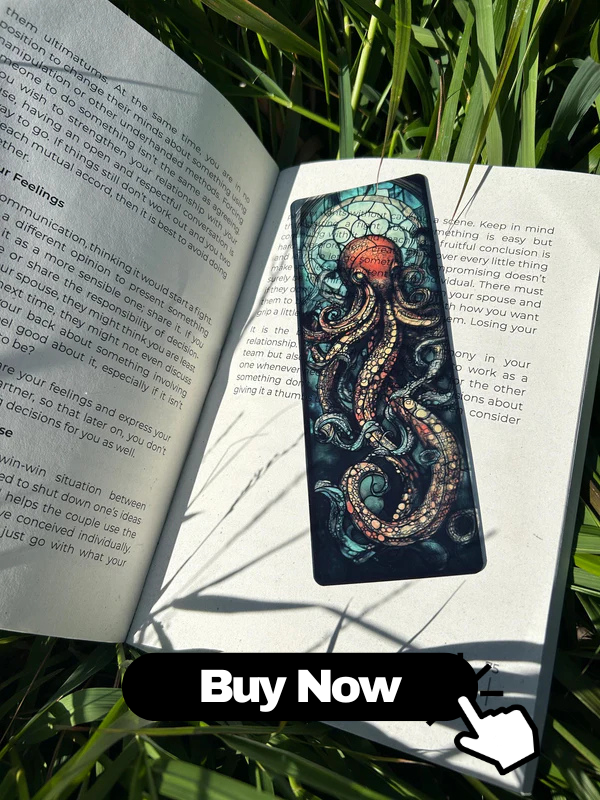
Transparent bookmarks have become increasingly popular among avid readers, students, and collectors who want to protect their books while enhancing the reading experience. Yet, a common concern persists: Do transparent bookmarks damage book spines? This comprehensive guide explores why transparent bookmarks are generally safe, how they interact with book structure, what materials are best, and how to use them properly to preserve your books for the long term.
1. What Are Transparent Bookmarks?
Transparent bookmarks are clear or translucent markers used to hold a reader’s place in a book without obscuring the underlying text or artwork. They are often made from plastic, acetate, or laminated film and can be completely clear or decorated with minimal designs.
Key characteristics of transparent bookmarks include:
- Visibility through the bookmark: You can see text or images beneath the bookmark, making it easier to resume reading.
- Thin and flexible design: Typically thinner than cardboard or metal, which reduces bulk inside the book.
- Durability: Resistant to tearing and bending when handled correctly.
- Non-porous surfaces: Less likely to absorb moisture or stains that could transfer to pages.
Because of these properties, transparent bookmarks are often marketed as book-safe, spine-safe, and ideal for preserving book condition, especially for collectors, students, and frequent readers.
2. How Book Spines Work and Why They Matter
To understand why transparent bookmarks do not damage book spines, it is helpful to know how a book spine functions. The spine is the structural backbone of a book, holding the pages and covers together.
2.1 Anatomy of a Book Spine
- Text block: The combined stack of pages.
- Spine lining: Materials (cloth, paper, or glue) that reinforce the spine and bind the text block.
- Cover boards: The front and back covers, attached to the spine via hinges or endpapers.
- Hinges and joints: The flexible areas where the covers open and close.
- Head and tail: The top and bottom of the spine, often slightly rounded or reinforced.
2.2 Common Causes of Spine Damage
Book spines are typically damaged not by bookmarks, but by poor handling, excessive force, or environmental conditions. Typical causes include:
- Over-opening the book: Forcing it to lie completely flat when the binding is not designed for that, causing cracks along the spine.
- Placing very thick or rigid objects inside: This can strain the hinges and spine when the book is closed.
- Moisture and humidity: Causing warping, glue failure, and weakening of the binding.
- Stacking heavy objects on top: Especially when something bulky is left inside the book.
- Frequent rough use: Bending the covers backwards or twisting the spine while reading.
Recognizing what actually damages a spine makes it easier to see why a slim, flexible, transparent bookmark is usually not harmful when used correctly.
3. Why Transparent Bookmarks Do Not Damage Book Spines
The primary reason transparent bookmarks do not damage book spines is that they are generally designed to be thin, flat, and lightweight. They do not exert significant pressure on the binding when placed correctly between pages.
3.1 Minimal Added Thickness
- Transparent bookmarks are usually significantly thinner than cardboard, leather, or metal bookmarks.
- This low profile means the book closes almost as naturally as it would with no bookmark at all.
- Less thickness between pages means less strain on the hinges and spine.
3.2 Flexible Rather Than Rigid
- Most transparent bookmarks are made from flexible plastics or films that bend with the book.
- When the book opens and closes, the bookmark can adapt to the curvature of the pages.
- This flexibility prevents the concentrated pressure that might occur with hard, inflexible materials.
3.3 Even Distribution of Pressure
- When placed flat between pages, a transparent bookmark spreads out any pressure over a larger area.
- This is much safer than:
- Using thick objects like pens or highlighters.
- Using folded items that create localized bulges.
- An even, flat bookmark is unlikely to deform the spine under normal use.
3.4 Designed for Repeated Use
- Transparent bookmarks are frequently marketed as archival-safe or book-friendly by design.
- Manufacturers understand that readers value preserving book condition, especially with:
- Hardcover novels
- Textbooks
- Collector’s editions
- As a result, they tend to favor non-damaging materials and thicknesses.
4. Common Materials Used in Transparent Bookmarks
The material used in a transparent bookmark plays a significant role in how safe it is for your book. Understanding these materials helps explain why they typically do not damage book spines.
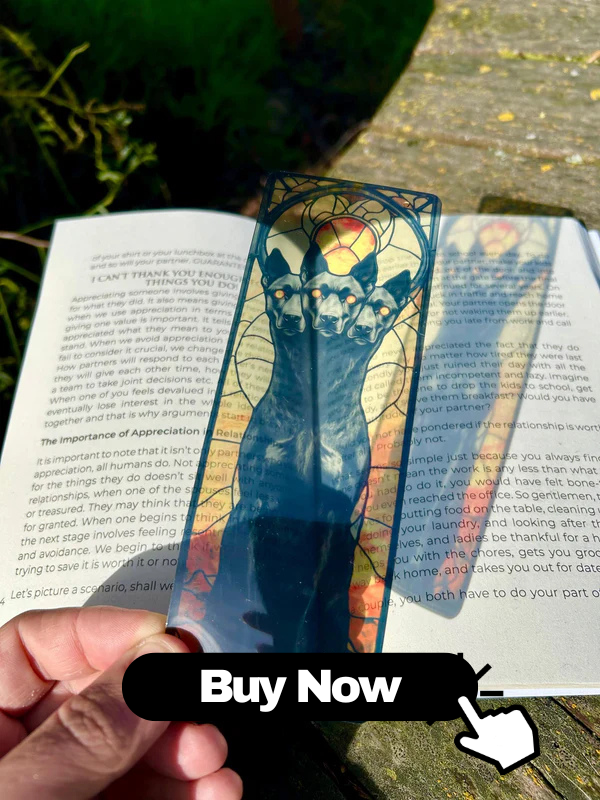
4.1 PET (Polyethylene Terephthalate)
- Lightweight and flexible: Bends easily with page curvature.
- Scratch-resistant: Maintains clarity over time.
- Stable and non-reactive: Does not usually affect ink or paper.
4.2 PVC (Polyvinyl Chloride) – With Caution
- Some transparent bookmarks are made with PVC.
- Pros: Clear, flexible, and inexpensive.
- Cons: Lower-quality PVC may off-gas or become brittle over time.
- For long-term archival use, many collectors avoid PVC in favor of PET or archival-safe plastics.
4.3 Acetate and Mylar
- Acetate: Thin, transparent sheet often used for art or overlays.
- Mylar (polyester film): Frequently labeled as archival, stable, and safe for long-term contact with paper.
- These materials are popular with archivists and book conservators.
4.4 Laminated Paper Bookmarks
- Some “transparent” bookmarks are actually paper bookmarks encased in clear laminate.
-
Advantages:
- Added rigidity with a smooth, non-porous surface.
- Protects printed designs from smudging or moisture.
- As long as the laminate is thin, these bookmarks remain spine-safe.
5. Best Practices for Using Transparent Bookmarks Safely
While transparent bookmarks are designed to be safe, how you use them also matters. The following best practices will help keep your book spines in excellent condition.
5.1 Insert the Bookmark Flat and Fully
- Slide the bookmark fully into the page you want to mark.
- Ensure no corner of the bookmark protrudes awkwardly from the side or top in a way that could catch or bend.
- A fully inserted bookmark moves with the pages and does not place extra force on the spine.
5.2 Avoid Overloading the Book with Multiple Bookmarks
- Using one or two thin bookmarks is usually harmless.
- Avoid stuffing the book with:
- Many bookmarks stacked together.
- Thick clippings or folded papers along with the bookmark.
- Too much material between pages can force the spine to bulge when the book is closed.
5.3 Do Not Use the Bookmark as a Lever
- Avoid pulling the bookmark sideways or sharply while still inside the closed book.
- Always:
- Open the book gently.
- Then remove or adjust the bookmark.
- This prevents tearing, twisting, or stress on the spine and pages.
5.4 Choose the Right Size for Your Book
- Use smaller bookmarks for pocket-sized books.
- Use longer, slightly wider bookmarks for large textbooks.
- A properly sized bookmark sits comfortably within the text block and doesn’t dig into the cover edges.
5.5 Store the Book Correctly When a Bookmark Is Inside
- Place the book upright or flat, not under excessive pressure.
- Do not force the book into a tight shelf where the bookmark might create unnecessary stress.
- Reasonable storage conditions ensure both book and bookmark remain undamaged.
6. Comparison: Transparent Bookmarks vs. Other Bookmark Types
To fully appreciate why transparent bookmarks are considered spine-safe, it helps to compare them with other bookmark styles that readers often use.
6.1 Transparent Bookmarks vs. Metal Bookmarks
- Transparent bookmarks: Thin, flexible, and light.
-
Metal bookmarks:
- Can be heavy and rigid.
- May have sharp edges that can dent or scratch pages.
- More likely to cause pressure points on the spine if thick or improperly placed.
6.2 Transparent Bookmarks vs. Bulky 3D Bookmarks
- Some bookmarks have charms, tassels, beads, or attached figures.
- These protruding elements can:
- Create uneven pressure when the book is stacked or stored.
- Indent pages or covers.
- Stress the hinges when caught between covers.
- Transparent, flat bookmarks avoid these risks by remaining simple and slim.
6.3 Transparent Bookmarks vs. Improvised Bookmarks
- Readers often use:
- Receipts, ticket stubs, or folded notes
- Sticky notes or adhesive tabs
- Pens, pencils, or highlighters
- These improvised markers can:
- Be thicker than proper bookmarks.
- Introduce acidic paper that may discolor pages over time.
- Cause warping when left inside for long periods.
- A dedicated transparent bookmark is more consistent and safer than random objects.
7. Care and Maintenance of Transparent Bookmarks
Transparent bookmarks last longer and remain safer for your books when properly maintained. Basic care also prevents dirt or oils from transferring to pages.
7.1 Keep the Bookmark Clean
- Wipe the bookmark occasionally with a soft, dry cloth.
- For stubborn smudges:
- Use a slightly damp cloth.
- Dry thoroughly before placing it back in a book.
- A clean bookmark prevents grit or debris from scratching or staining pages.
7.2 Avoid High Heat and Direct Sunlight
- Excessive heat can cause plastic bookmarks to warp or curl.
- Warped bookmarks may:
- No longer lie flat.
- Introduce uneven pressure on pages and spine.
- Store bookmarks away from:
- Radiators
- Car dashboards
- Intense window light for long periods
7.3 Inspect for Damage
- Check your bookmark regularly for:
- Cracks
- Sharp edges
- Warping
- Replace damaged bookmarks rather than risk scratching or denting pages.
- Well-maintained bookmarks remain safe for your books and comfortable to handle.
8. Common Myths and Misconceptions
Misunderstandings about bookmarks and book damage are common. Clarifying these myths reinforces why transparent bookmarks are generally safe for book spines.
8.1 “Any Bookmark Will Eventually Break the Spine”
- In reality, normal use of a thin bookmark is rarely the cause of major spine failure.
- More serious issues are caused by:
- Forcing the book to lie completely flat.
- Twisting the binding while reading.
- Storing books in damp, extreme conditions.
- Transparent bookmarks, used gently, have minimal impact on spine health.
8.2 “Transparent Plastics Stick to Pages and Tear Them”
- Quality transparent bookmarks have smooth, non-tacky surfaces.
- They should not adhere to paper under normal temperature and humidity.
- Problems occur only with:
- Very low-quality materials.
- Exposure to heat that causes slight melting or warping.
- Choosing reputable, book-safe materials avoids this issue.
8.3 “Only Paper Bookmarks Are Safe”
- Paper bookmarks can be safe but also:
- Wear out quickly.
- Absorb moisture and transfer it to pages.
- Become bulky if folded.
- Transparent bookmarks are:
- More durable.
- Less prone to moisture damage.
- Better for long-term, everyday use when handled properly.
9. Transparent Bookmarks for Collectors and Rare Books
Book collectors and owners of rare or valuable volumes are especially concerned about spine preservation. Transparent bookmarks can be compatible with conservation-minded practices when chosen and used thoughtfully.
9.1 Archival-Safe Materials
- Look for bookmarks described as:
- Archival
- Acid-free
- Lignin-free
- Polyester films like Mylar are commonly used for archival book jackets and sleeves.
- These materials are chemically stable and do not degrade or off-gas in ways that harm paper.
9.2 Minimal Interference with Original Structure
- Collectors aim to disturb the book as little as possible.
- Thin transparent bookmarks:
- Do not significantly alter how the book closes.
- Allow the spine to maintain its natural alignment.
- Used sparingly, they provide location marking without structural impact.
9.3 Temporary Use During Research
- For rare books used in research or study, transparent bookmarks can:
- Mark specific passages.
- Assist in citations and note-taking.
- Replace potentially harmful sticky notes.
- Once work is complete, simply remove the bookmarks to return the book to neutral storage condition.
10. Tips for Buying Safe, High-Quality Transparent Bookmarks
Not all transparent bookmarks are created equal. Choosing high-quality, spine-safe designs ensures optimal protection for your books.
10.1 Check Thickness Specifications
- Many manufacturers list thickness in:
- Microns (µm)
- Millimeters (mm)
- Mil (a thousandth of an inch)
- Look for bookmarks that are:
- Thin enough to be flexible.
- Thick enough to resist easy creasing.
- Moderate thickness typically provides the best balance of durability and spine safety.
10.2 Prefer Smooth, Rounded Edges
- Bookmarks with rounded corners and polished edges are safer for pages.
- Avoid designs with:
- Sharp cutouts.
- Jagged decorative edges.
- Smooth edges glide between pages without scratching or catching.
10.3 Look for Reliable Brands and Reviews
- Choose bookmarks from brands known for:
- Stationery
- Book accessories
- Archival supplies
- Check reviews for:
- Comments about flexibility.
- Reports of warping or discoloration.
- Positive feedback from other readers and collectors is a strong sign of book-safe quality.
10.4 Avoid Unnecessary Weight or Attachments
- While charms and tassels can be visually appealing, they:
- Add weight to a single point.
- May get caught when shelving books.
- For spine safety, opt for simple, flat designs without heavy decorative elements.
11. FAQ: Transparent Bookmarks and Book Spine Safety
11.1 Can transparent bookmarks bend the spine over time?
- Used correctly, no. Thin, flexible bookmarks do not generate enough force to bend or distort the spine.
- Spine bending is more commonly caused by:
- Rough handling.
- Over-opening the book.
- Excessive weight or poor storage.
11.2 Are transparent bookmarks safe for paperbacks?
- Yes. In fact, they’re often ideal for paperbacks, which can have more delicate spines.
- Their thin profile means:
- Less separation between glued pages.
- Reduced pressure on the flexible cover.
11.3 Will the plastic react with the ink on my pages?
- High-quality, archival-grade plastics such as Mylar or PET are generally:
- Chemically stable.
- Non-reactive with typical book inks.
- To be extra cautious with older or very valuable books, choose bookmarks labeled archival-safe.
11.4 Can I leave a transparent bookmark in a book for years?
- In most cases, yes, but:
- Ensure the bookmark is clean and flat.
- Avoid exposure to extreme temperature and humidity.
- For rare or archival volumes, many conservators prefer to:
- Remove bookmarks during long-term storage.
- Use them only during active reading or research.
11.5 Are transparent magnetic bookmarks safe for spines?
- Magnetic bookmarks involve two layers with small magnets that clip to the page.
- If they are:
- Thin
- Lightweight
- Used sparingly
- Avoid overly bulky or heavy magnetic designs that might:
- Indent pages.
- Concentrate weight near the spine.
12. Conclusion
Transparent bookmarks, when properly designed and correctly used, do not damage book spines. Their thin, flexible, and lightweight structure exerts minimal pressure on the binding, preserving the integrity of both hardcover and paperback books. By choosing high-quality materials, handling books with care, and following best practices for insertion and storage, readers can enjoy the clarity and convenience of transparent bookmarks without sacrificing the long-term health of their personal libraries.
For anyone interested in book preservation, spine protection, and gentle reading accessories, transparent bookmarks offer an excellent balance of durability, aesthetics, and safety. Understanding how book spines work, what genuinely causes damage, and how modern transparent bookmark materials behave provides the reassurance that these stylish reading companions are a spine-safe, book-friendly choice for everyday reading and long-term collection care.