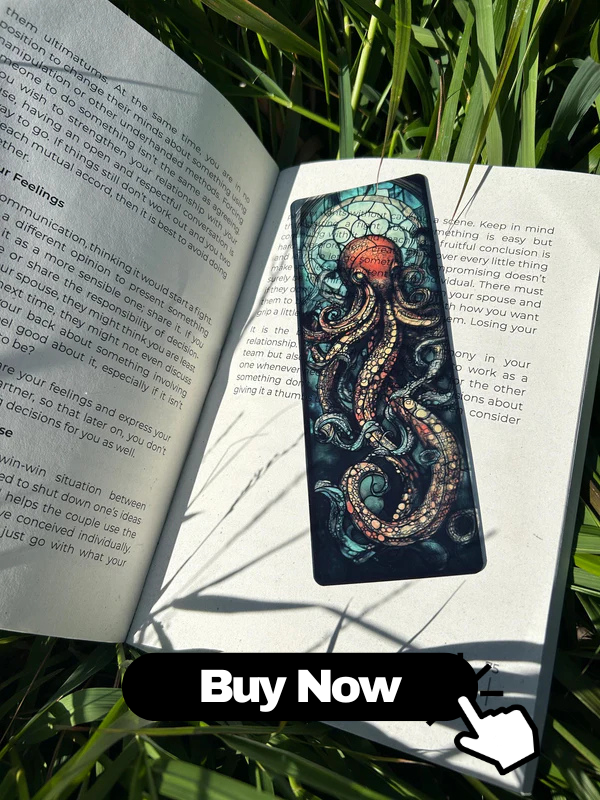
Bookmarks are among the simplest reading tools we use every day, yet they raise a surprisingly important question: do bookmarks bend pages or protect them? Whether you’re an avid reader, a student, a collector of rare books, or someone who simply wants to keep their favorite novel in good condition, understanding how bookmarks affect your books can help you preserve pages, maintain value, and improve your overall reading experience. This guide explores in depth how different types of bookmarks interact with paper, when they can cause damage, and how to use them to protect rather than harm your books.
What Are Bookmarks and Why We Use Them
Bookmarks are simple tools designed to mark your place in a book without permanently altering it. They can be physical objects or digital features, but their primary purpose is the same: help you return to a specific location without damaging the text or pages.
Primary purposes of bookmarks
- Save reading progress: Quickly find where you stopped reading.
- Highlight key sections: Return to important passages, quotes, or references.
- Organize study materials: Separate chapters, topics, or assignments.
- Protect page integrity: Avoid folding corners (dog-ears) or writing on pages.
- Enhance aesthetics: Decorative bookmarks personalize your reading experience.
Why this topic matters
Many readers assume bookmarks are always harmless. In reality, some bookmarks can bend pages, leave impressions, or even tear paper if used incorrectly or if made from inappropriate materials. When you care about book condition—especially for textbooks, collections, library books, or rare volumes—understanding the impact of bookmarks becomes essential.
Do Bookmarks Bend Pages or Protect Them?
The honest answer is: both are possible. Whether a bookmark bends pages or protects them depends on several factors:
- Material: Thick, rigid, or bulky materials can strain the binding and warp pages.
- Thickness: Very thick bookmarks can push pages outward and cause permanent curves.
- Placement: Poor placement can lead to uneven pressure and creases.
- Size relative to the book: Oversized or undersized bookmarks can cause page stress.
- How the book is stored: Stacking heavy books on top of a bookmarked one can press and bend pages.
When chosen and used correctly, bookmarks are one of the best ways to protect pages from damage, especially compared to more harmful practices like folding corners or leaving the book open face-down. The key is understanding how bookmarks damage pages versus how they protect them.
How Bookmarks Can Damage Pages
While bookmarks are intended to be gentle, certain habits and materials can inadvertently harm your books. Below are the main ways bookmarks can cause damage.
1. Bending and warping pages
Bookmarks can contribute to bends or warps when:
- The bookmark is too thick for the book’s binding, creating a bulge where it rests.
- Too many bookmarks are used in one book, adding excessive bulk.
- The bookmark sticks out and gets pushed or snagged in bags and shelves.
- Heavy objects are placed on top of a book with a protruding or thick bookmark.
Over time, this pressure can lead to:
- Slight but permanent curvature of the page edges.
- Indentations where the bookmark consistently presses on the paper.
- Misaligned page blocks, especially near the spine.
2. Creasing and tearing pages
Certain bookmark designs or improper use can increase the risk of torn or creased pages:
-
Metal clip bookmarks can pinch too tightly and cause:
- Small tears at the edge of the page.
- Creases where the clip presses hard.
- Bookmarks with sharp edges (metal, plastic) may scratch or cut thin, delicate paper.
- Flexible but stiff materials that are forced between tightly bound pages can cause stress and wrinkles.
3. Damaging the book’s spine
In some cases, the problem isn’t only bent pages but also spine stress:
- Very thick bookmarks near the middle of the book can cause:
- Overextension of the spine.
- Permanent opening or loosening of the binding.
- Leaving a bookmark in a book stored open or face-down worsens spine bending and page distortion.
4. Chemical and surface damage
Some materials can harm pages in less obvious ways:
-
Acidic paper or cardboard bookmarks can:
- Discolor pages over time.
- Contribute to yellowing and brittleness in older or archival books.
-
Bookmarks with ink, glue, or paint can:
- Transfer color to pages (especially in humid environments).
- Stick to the paper surface, causing damage when removed.
-
Organic items like leaves or flowers used as bookmarks may:
- Stain pages as they decompose.
- Introduce moisture and attract insects or mold.
How Bookmarks Protect Pages
When thoughtfully chosen, bookmarks can significantly protect your books from wear and tear, especially compared to common alternatives.
1. Preventing dog-ears (folded page corners)
One of the most common ways readers mark their place is by folding the page corner (dog-earing). This causes:
- Permanent creases in the page.
- Weakening of the paper fibers at the fold.
- A noticeable reduction in aesthetic and resale value for collectors.
Using a bookmark instead of dog-ears ensures the page remains flat, smooth, and intact, maintaining both readability and book value.
2. Avoiding spine stress from “face-down” books
Another common habit is leaving a book open and face-down to save your spot, which can:
- Break or crack the spine.
- Create a permanent curve where the book always falls open.
- Cause pages to bend outward from the center.
By contrast, a bookmark allows you to close the book completely, significantly reducing strain on both pages and binding.
3. Keeping pages clean
Without bookmarks, readers may resort to:
- Sticking adhesive notes directly onto pages.
- Writing or highlighting heavily just to find locations.
- Using fingers, pens, or other objects that may leave marks.
A non-adhesive, smooth bookmark keeps your place without unnecessary ink, glue, or oil contact on the paper.
4. Organizing without intrusive tabs
For study or research, bookmarks can:
- Replace adhesive tabs that may tear pages when removed.
- Provide quick navigation for multiple sections without writing in the book.
- Serve as temporary markers that leave no trace once removed.
Types of Bookmarks and Their Effects on Pages
Not all bookmarks are created equal. The material, thickness, and design play a major role in whether a bookmark bends pages or protects them.
1. Paper and card-stock bookmarks
Paper bookmarks are among the most common and book-friendly options.
-
Advantages:
- Thin and lightweight – less pressure on pages and spine.
- Flexible enough to conform to the shape of the book.
- Inexpensive and widely available.
- Customizable for notes or designs.
-
Potential drawbacks:
- Can bend or wrinkle, especially if very thin.
- If made from acidic paper, may contribute to long-term discoloration in archival collections.
- Very thick card stock may still create a slight bulge.
Best use: Everyday reading, novels, and textbooks where long-term archival preservation is not critical. For collections, consider acid-free archival card.
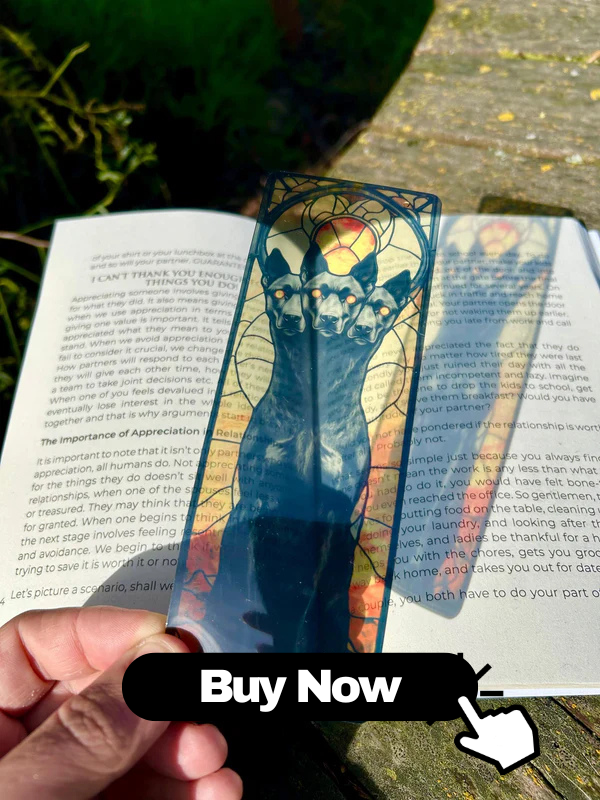
2. Magnetic bookmarks
Magnetic bookmarks fold over the top of the page and secure with small magnets.
-
Advantages:
- Stay in place even if the book is moved or carried in a bag.
- Thin models add minimal bulk.
- Excellent for marking specific lines or passages.
-
Potential drawbacks:
- Some designs are too thick or stiff, which can create indentations.
- If clamped too tightly, they may slightly compress or dent the paper.
- Cheap magnets or rough edges may scratch delicate pages.
Best use: Portable reading where the book is frequently moved. Choose thin, smooth, low-tension magnetic bookmarks to avoid bending pages.
3. Metal bookmarks and clips
Metal bookmarks (including clip-style designs) can be elegant but need careful use.
-
Advantages:
- Durable and long-lasting.
- Stylish designs; good for gifts and decorative purposes.
- Often very thin, which helps reduce pressure.
-
Potential drawbacks:
- Sharp or pointed edges can scratch or tear pages.
- Clip-style bookmarks can pinch and crease pages.
- Heavier metal may leave impressions if books are tightly stacked.
Best use: For casual reading where page condition is not critical. Avoid in thin-paper or archival books, and never force metal clips onto tight bindings.
4. Fabric, ribbon, and tassel bookmarks
Fabric bookmarks and ribbons are soft and flexible options.
-
Advantages:
- Very gentle on pages when thin and smooth.
- Built-in ribbons are commonly used in Bibles and journals for safe marking.
- Do not add significant bulk.
-
Potential drawbacks:
- Thick or knotted ends (like heavy tassels) can distort the pages where they rest.
- Non-colorfast dyes can transfer to paper in humid conditions.
- Textured or embellished fabric may leave impressions.
Best use: Smooth, flat ribbons are ideal for delicate, thin, or older papers. Ensure the fabric is clean, colorfast, and not bulky.
5. DIY and unconventional bookmarks
Many readers use whatever is at hand as a makeshift bookmark. Common examples include:
- Receipts, tickets, or notes.
- Postcards or photographs.
- Sticky notes.
- Random objects (pens, pencils, small tools).
Risks of unconventional bookmarks:
- Too thick or rigid items (pens, keys, bulky cards) will clearly bend pages and stress the spine.
- Glossy photographs may stick to coated pages under pressure or humidity.
- Sticky notes can leave adhesive residue or tear pages when removed.
- Organic materials (leaves, flowers) can stain, attract pests, and introduce moisture.
Best use: If you must improvise, choose a thin, smooth, flat piece of paper slightly smaller than the book. Avoid bulky or sticky items.
Best Practices for Using Bookmarks Without Bending Pages
To make sure bookmarks protect rather than damage your books, follow these practical guidelines.
1. Choose the right bookmark for the book
- For paperbacks and thin paper: Use thin, flexible paper or fabric bookmarks.
- For hardcovers and textbooks: Light card-stock or thin magnetic bookmarks are suitable.
- For rare or archival books: Opt for acid-free, smooth, and very thin materials.
2. Avoid excessive thickness
To reduce page bending:
- Use one bookmark per reading location instead of stacking many.
- Avoid bookmarks thicker than a few sheets of paper, especially near the spine.
- Do not store loose objects (like pens) inside closed books.
3. Place bookmarks correctly
- Insert the bookmark fully inside the book; avoid large parts sticking out sideways.
- Place it between pages without forcing it into a tight binding.
- Align it neatly with the page edges to reduce uneven pressure.
- Do not let bookmarks sit half in, half out of the top or side, which can cause bending when shelved.
4. Store books thoughtfully with bookmarks inside
- Do not stack extremely heavy items on top of a thin paperback with a bookmark inside.
- Ensure the book is closed flat, not slightly forced open by thick bookmarks.
- Check occasionally that bookmarks are not causing waves or bulges in the page block.
5. Remove bookmarks when no longer needed
- After finishing a book, remove all bookmarks, particularly:
- Metal clips.
- Magnetic bookmarks.
- DIY items that may degrade or stain.
- For long-term storage, keep the book bookmark-free unless using archival-quality placeholders.
Alternatives to Damaging Bookmarks & Common Mistakes
Some widely used “bookmark substitutes” cause more harm than good. Understanding what to avoid is just as important as choosing the right bookmark.
Common mistakes that bend or damage pages
-
Folding page corners (dog-ears)
- Creates permanent creases.
- Weaken paper at the fold.
- Visibly lowers the condition of the book.
-
Leaving objects inside the book
- Pens, pencils, or bulky items stretch and warp pages.
- They can leave marks, dirt, or ink on the paper.
-
Using sticky notes as bookmarks
- Adhesive can transfer onto the page surface.
- Removing them may tear or delaminate paper fibers.
-
Using damp or dirty materials
- Moisture can cause warping, mold, or staining.
- Dirt or oil can permanently mark pages.
Safer alternatives and habits
- Keep a small collection of thin, smooth bookmarks in your bag or near your reading space.
- For note-taking, pair a bookmark with:
- A separate notebook.
- Removable, archival-quality tabs if needed (applied carefully on the margin).
- Use digital notes or highlights (eBooks) when you want heavy annotation without physical wear.
Using Bookmarks in Rare, Vintage, or Valuable Books
When dealing with collectible, rare, or vintage books, bookmark choice can significantly impact long-term preservation.
Risks for collectible books
- Thin, aged paper is more susceptible to:
- Tears from clips or thick bookmarks.
- Indentations from pressure.
- Stains from acidic or colored materials.
- Historic inks and papers may react unpredictably with:
- Certain dyes.
- Non-archival glues or paints.
Recommended bookmark practices for valuable books
- Use acid-free, pH-neutral paper or card as bookmarks.
- Ensure bookmarks are:
- Very thin.
- Slightly smaller than the page.
- Completely smooth, with no embossed or metallic parts.
- Avoid:
- Metal, magnetic, or clip-style bookmarks.
- Sticky notes, adhesives, or tape.
- Colored materials that may bleed.
- Do not leave bookmarks in place for many years:
- Remove them after reading sessions.
- Store books in a bookmark-free state for archival longevity.
Do Digital Bookmarks Solve the Problem?
With the rise of e-readers and reading apps, digital bookmarks have become a powerful, page-safe alternative.
Benefits of digital bookmarks
- No physical wear: No bending, creasing, or staining of paper.
- Multiple markers: Easily bookmark dozens of passages without physical clutter.
- Searchable notes: Combine bookmarks with highlighted text and digital notes.
- Synchronization: Access your bookmarks across devices.
Limitations of digital bookmarks
- They only apply to digital books, not physical copies.
- Not ideal for collectors who value the tactile and visual experience of print.
- Dependence on specific apps or ecosystems.
Digital bookmarks completely remove the risk of bent or damaged physical pages, but for print lovers, proper use of physical bookmarks remains essential.
FAQ: Bookmarks and Page Damage
Do all bookmarks bend pages?
No. Thin, smooth, non-bulky bookmarks usually do not bend pages when used correctly. Most damage comes from bookmarks that are too thick, rigid, or poorly placed, or from heavy pressure on a bookmarked book.
Are magnetic bookmarks safe for books?
Generally, yes—if they are thin and gentle. However, thick or strongly clamping magnetic bookmarks can leave impressions or slight creases, especially on delicate or thin paper.
Is it better to fold a corner or use a bookmark?
From a preservation standpoint, it is almost always better to use a proper bookmark. Folding corners (dog-ears) permanently crease and weaken paper fibers, while a well-chosen bookmark can be removed without leaving a trace.
Can a bookmark ruin a book’s spine?
Yes, if the bookmark is too thick or bulky, particularly near the middle of the book. This can force the spine to stay slightly open, leading to long-term warping or cracking. Lightweight, thin bookmarks are unlikely to cause this issue.
What is the safest type of bookmark for long-term use?
For most books, the safest choices are:
- Thin acid-free paper bookmarks.
- Flat, smooth fabric ribbons with no bulky tassels.
- Very thin magnetic bookmarks for non-archival reading copies.
Conclusion: Do Bookmarks Bend Pages or Protect Them?
Bookmarks are powerful tools for both page preservation and reading convenience. Whether they bend or protect pages depends largely on material, thickness, placement, and storage habits.
-
Bookmarks bend pages when:
- They are thick, rigid, or bulky.
- They are used in large numbers or placed poorly.
- Books are stored under pressure with bulky bookmarks inside.
-
Bookmarks protect pages when:
- They are thin, smooth, and appropriately sized.
- They replace harmful habits like dog-earing or leaving books face-down.
- They are removed for long-term storage or archival preservation.
For readers who care about book preservation, page protection, and maintaining book value, the solution is clear: choose high-quality, thin bookmarks and use them thoughtfully. When integrated into your reading routine with care, bookmarks will protect your pages rather than bend them, keeping your library in excellent condition for years to come.