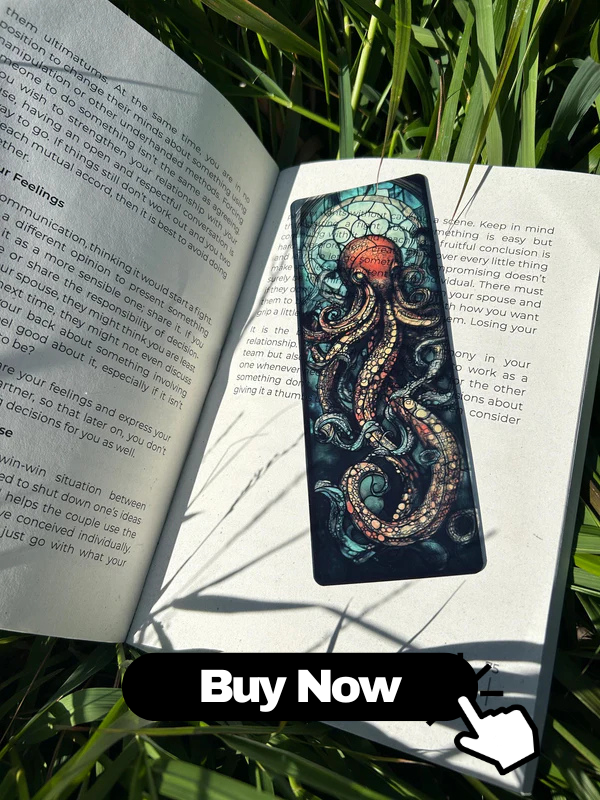
Bookmarks may look like small accessories, but in the world of libraries they are essential tools. Librarians think carefully about bookmark materials because the right choice can protect books, support readers, promote the library, and last for years. This guide explains what bookmark materials librarians trust, how they compare, and how to pick the best bookmark for different purposes—whether you’re running a public library, school library, academic library, or building a personal collection.
Why Bookmark Materials Matter to Librarians
For librarians, a bookmark is not just a decorative strip of paper. It is a practical, preservation-conscious tool that affects both the physical condition of the collection and the reading experience. The materials used in bookmarks influence:
- Book longevity: Soft, smooth, inert materials prevent damage to pages, bindings, and dust jackets.
- User comfort: Flexible, lightweight bookmarks feel better in hand and in the book.
- Library branding & outreach: Durable bookmarks with contact info and reading lists act as long-term mini billboards for the library.
- Cost and practicality: High-volume public libraries need affordable, recyclable materials that can be printed in bulk.
Because of this, librarians tend to trust certain bookmark materials and avoid others that might stain, warp, or damage books over time.
Key Factors Librarians Consider When Choosing Bookmark Materials
When librarians evaluate bookmark materials, they weigh multiple factors instead of focusing only on appearance. Common criteria include:
-
Inertness:
- Does the material react with paper, ink, or adhesives?
- Is it likely to bleed color, leave residue, or off-gas chemicals?
-
Acidity:
- Is the material acid-free and lignin-free?
- Will it cause yellowing or brittleness in book pages over time?
-
Thickness & flexibility:
- Is it thin enough to fit easily without straining the spine?
- Is it flexible enough not to crease or warp pages?
-
Surface texture:
- Is it smooth enough not to abrade or scratch paper?
- Is there a rough finish that could rub ink or pigment off pages?
-
Durability:
- Can it withstand frequent use in a busy library?
- Is it resistant to minor spills, oils from hands, and bending?
-
Weight:
- Is it lightweight so it doesn’t distort the book when shelved?
-
Cost-effectiveness:
- Can the library afford to print thousands of bookmarks each year?
-
Sustainability:
- Is the material recyclable, biodegradable, or made from recycled content?
- Does it align with the library’s environmental policies?
These criteria guide which bookmark materials librarians trust for different types of collections and patron groups.
Trusted Bookmark Materials: Paper & Cardstock
Among all materials, paper and cardstock bookmarks are the most common and widely trusted by librarians, particularly in public and school libraries.
Why Librarians Trust Paper & Cardstock Bookmarks
- Thin but strong: Good-quality cardstock is thick enough to be durable yet thin enough not to strain the binding.
- Inexpensive: Ideal for high-volume printing and frequent reordering.
- Highly customizable: Easy to print with logos, reading lists, QR codes, and literacy messages.
- Eco-friendly options: Available in recycled, FSC-certified, and uncoated, biodegradable variants.
Recommended Paper Weights and Types
Librarians generally prefer mid-weight to heavy cardstock rather than flimsy paper. Common trusted choices include:
-
Standard bookmark weight:
- 250–350 gsm (90–130 lb cover stock) is a common sweet spot.
-
Uncoated matte cardstock:
- Less likely to stick to glossy pages.
- Less reflective, more comfortable to read and handle.
-
Satin or silk-coated cardstock:
- Trusted when coatings are high quality and non-tacky.
- Better stain resistance than completely uncoated paper.
-
Archival or acid-free paper:
- Preferred in special collections and archives.
- Reduces risk of long-term damage to fragile pages.
Acid-Free & Lignin-Free Paper Bookmarks
In archives, rare book rooms, and special collections, librarians strongly prefer:
- Acid-free paper: pH-neutral or slightly alkaline; doesn’t cause yellowing.
- Lignin-free paper: Reduces risk of darkening and brittleness over time.
- Buffered paper: Often used for long-term contact with historic documents.
For general circulation, not every bookmark must be archival quality, but acid-free materials are still a plus and may be specified when budgets allow.
Pros and Cons of Paper/Cardstock Bookmarks
-
Pros:
- Lightweight and comfortable.
- Safe for spines if not too thick.
- Easy to recycle and often made from recycled fibers.
- Ideal for promotional library bookmarks and literacy campaigns.
-
Cons:
- Can bend, tear, or crease with heavy use.
- Less water-resistant than plastic or metal.
- May fade over time if exposed to strong light.
Trusted Bookmark Materials: Plastic, Laminate & Synthetics
For durability and reusability, many librarians rely on plastic and laminated bookmarks, especially in schools and high-traffic environments.
Why Librarians Use Laminated Bookmarks
- Enhanced durability: Lamination protects printed content from wear, fingerprints, and moisture.
- Ideal for kids and teens: Stands up to backpacks, lunchboxes, and frequent handling.
- Reusable and long-lasting: Less often discarded, making them cost-effective over time.
Common Plastic Bookmark Materials
Librarians often trust specific types of clear or opaque plastics when they are smooth, non-tacky, and not too rigid:
-
Polyester (PET/PETG) film:
- Common in archival sleeves and trusted for being inert.
- Thin and strong; good for slim, flexible bookmarks.
-
Polypropylene (PP):
- Lightweight, semi-rigid, and recyclable in some streams.
- Used for many commercial plastic bookmarks.
-
Vinyl (PVC) with caution:
- Attractive and flexible, but some librarians avoid PVC near archival materials due to potential plasticizer migration.
Lamination Guidelines Librarians Prefer
-
Moderate thickness:
- 3–5 mil laminate is usually adequate; thicker laminate can stress bindings.
-
Rounded corners:
- Prevents sharp edges from denting or tearing pages.
-
Matte or soft-touch finishes:
- Reduces glare and slipperiness.
-
Quality adhesive films:
- Prevents peeling layers that could catch on pages.
Pros and Cons of Plastic & Laminated Bookmarks
-
Pros:
- Extremely durable and long-lasting.
- Water-resistant and wipeable.
- Great for library rule bookmarks, loan policy bookmarks, and reading challenge bookmarks that need to last a full season or year.
-
Cons:
- Less eco-friendly than plain paper, depending on material and recycling options.
- Very rigid plastics can damage book spines if too thick.
- Can become slippery and slide out of books easily if super glossy.
Trusted Bookmark Materials: Metal, Wood & Fabric
Beyond everyday use, librarians also encounter premium bookmark materials such as metal, wood, and fabric. These are often used for gifts, donor recognition, or personal collections rather than mass distribution.
Metal Bookmarks Librarians Accept (With Caveats)
Metal bookmarks are attractive and very durable, but librarians are cautious:
-
Trusted metals when designed properly:
- Stainless steel (smooth, rust-resistant).
- Aluminum (lightweight, if edges are rounded).
- Thin brass (if polished and not heavily oxidizing).
-
Design features that matter:
- Rounded, polished edges to prevent cutting or denting pages.
- Very thin gauge to reduce bulk.
- Non-abrasive surface (no sharp engravings touching the paper).
In general, librarians don’t encourage metal bookmarks in circulating collections for everyday use, but they may sell or gift them for personal collections or special occasions.
Wooden Bookmarks in Libraries
Wood bookmarks can be sustainable and beautiful, yet librarians pay attention to:
-
Wood types and treatments:
- Thin veneers of maple, bamboo, or birch are common and more flexible.
- Low-odor, non-resinous woods are preferred.
- Sealed surfaces that do not shed splinters or resin.
-
Finish:
- Non-sticky, clear finishes that won’t adhere to pages.
- Avoid heavy stains or varnishes that might transfer color or odor.
Wooden bookmarks are more often used as gifts, fundraiser items, or souvenirs in library shops rather than as official circulation tools.
Fabric, Ribbon & Textile Bookmarks
Textiles are a historic and beloved material for bookmarks, especially in Bibles and special volumes. Librarians trust certain textile bookmarks when:
-
Materials are stable:
- Cotton, linen, and silk ribbons are common traditional choices.
- Polyester ribbons are durable and resist fraying.
-
Colors are colorfast:
- Dye should not transfer if the book gets damp.
-
Thin and soft:
- Flat ribbons or woven bookmarks that don’t bulk up the spine.
Librarians often prefer built-in ribbon markers attached to the book over loose fabric bookmarks that can snag or fray.
Materials Librarians Usually Avoid or Treat with Caution
There are materials that may look attractive but pose risks to library collections. Most librarians discourage or avoid the following bookmark materials:
Bulky or 3D Bookmarks
-
Thick charms or decorative objects:
- Metal charms, beads, or heavy tassels create uneven pressure.
- Can leave impressions or tears when books are shelved tightly.
-
3D rubber or padded plastic:
- Excessive thickness can warp covers and “memory” foam can press into pages.
Adhesive or Magnetic Bookmarks
-
Adhesive-backed bookmarks:
- Any sticker-like bookmark that sticks to pages may leave residue.
- Risk of pulling fibers off when removed.
-
Magnetic clip bookmarks:
- Popular with readers, but magnets can pinch pages and leave indentations.
- Thickness of folded magnet can stress tight bindings.
- Usually discouraged in rare and fragile books.
Cheap or Unstable Plastics
-
Low-quality PVC:
- May off-gas or become sticky over time.
- Potential to adhere to glossy pages or dust jackets.
-
Strongly scented plastics:
- Perfumed or heavily dyed plastics are avoided due to chemical uncertainty.
Found Objects Used as Bookmarks
Librarians constantly find unintended “bookmarks” hidden in books:
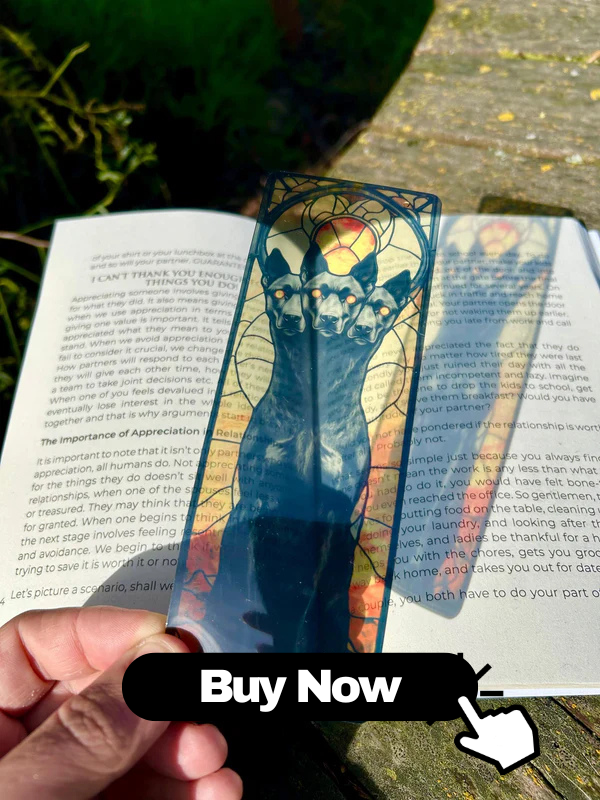
- Paper clips and binder clips (cause rust and creasing).
- Sticky notes and tape (adhesive residue and staining).
- Food wrappers and napkins (attract pests and leave oils).
- Pressed flowers and leaves (organic decay, staining, insect risk).
- Receipts, tickets, and thermal paper (can transfer printing ink and degrade).
Most libraries educate patrons that while these improvised objects may mark a page, they can also damage library books and should be replaced with proper bookmarks.
Preservation Perspective: Archival & Acid-Free Bookmark Materials
In heritage collections, archives, and special collections, bookmark materials are chosen with strict preservation standards.
Characteristics of Preservation-Friendly Bookmark Materials
-
Acid-free and lignin-free:
- Prevents acid migration to fragile paper.
- Critical for rare and irreplaceable materials.
-
Buffered paper:
- Contains an alkaline reserve to neutralize acids over time.
-
Inert plastics:
- Polyester (Mylar, Melinex), polyethylene, and polypropylene are trusted if properly processed.
-
Uncoated or lightly coated surfaces:
- Heavy inks and varnishes are minimized to avoid offsetting onto pages.
Special Practices in Archives
-
Use of paper flags instead of rigid bookmarks:
- Thin strips of acid-free paper inserted to mark specific pages.
-
No permanent bookmarks inside books:
- Bookmarks removed after use to prevent long-term contact.
-
Avoidance of magnetic, adhesive, or metal bookmarks:
- Chosen materials are strictly verified for archival safeness.
For most general libraries, fully archival-level standards are not mandatory, but archival bookmark materials are still considered best practice when preserving special or local history collections.
Sustainability: Eco-Friendly Bookmark Materials Librarians Prefer
Sustainability is an increasingly important factor. Many librarians actively seek eco-friendly bookmark materials that reflect their institution’s environmental values.
Eco-Friendly Bookmark Material Options
-
Recycled paper and cardstock:
- High post-consumer content (often 50–100%).
- FSC-certified and chlorine-free options.
-
Plant-based and alternative fibers:
- Bamboo fiber cardstock.
- Hemp or agricultural waste paper blends.
-
Biodegradable coatings:
- Water-based varnishes instead of plastic lamination.
-
Minimal-plastic lamination:
- Spot-coating only key areas or using thinner laminates to cut material use.
How Libraries Communicate Sustainability Through Bookmarks
Many libraries add sustainability messages directly on bookmarks, such as:
- “Printed on 100% recycled, FSC-certified paper.”
- “Please reuse this bookmark for your next book.”
- “Recycle this bookmark when you’re done.”
This not only promotes environmentally friendly bookmark materials but also strengthens the library’s image as a sustainability-focused institution.
Matching Materials to Use Cases in Libraries
No single material is perfect for all situations. Librarians match bookmark materials to specific use cases in their libraries.
Public Libraries
-
Preferred materials:
- Mid-weight cardstock; sometimes lightly laminated for longer campaigns.
-
Common bookmark uses:
- Promoting upcoming events and programs.
- Sharing library hours and contact details.
- Encouraging reading challenges and community reads.
School Libraries
-
Preferred materials:
- Durable laminated bookmarks for children.
- Colorful cardstock bookmarks for teen programs.
-
Special requirements:
- Resistant to spills and rough handling.
- Attractive, fun designs to engage reluctant readers.
Academic Libraries
-
Preferred materials:
- Simple, professional cardstock bookmarks.
- Occasional use of laminated bookmarks for orientation guides.
-
Common bookmark content:
- Database access tips and citation guides.
- Study skills and research support information.
Archives & Special Collections
-
Preferred materials:
- Acid-free, lignin-free paper strips.
- Inert plastic (polyester) flags or sleeves when necessary.
-
Policy differences:
- Patrons may be prohibited from placing personal bookmarks in rare materials.
- Staff often provide approved markers for on-site use only.
Design & Printing: Making Materials Work Harder
Even when materials are well chosen, design and printing decisions influence how well bookmarks perform and how long they last.
Printing Techniques Librarians Favor
-
High-quality digital or offset printing:
- Sharp text and images that remain legible for years.
-
Fade-resistant inks:
- UV-stable inks are a plus, particularly for bookmarks displayed in sunlight near windows.
-
Bleed and margin control:
- Ensures important information is not trimmed off or weakened at the edge.
Functional Design Elements Librarians Appreciate
-
Readable typography:
- Clear fonts, adequate line spacing, and high contrast.
-
Standard size:
- Common sizes like 2″ × 6″ or 2″ × 7″ fit comfortably in most books.
-
Rounded corners:
- Preferred for both paper and plastic bookmarks to prevent page damage.
-
Space for notes:
- Uncoated areas where readers can jot down book titles or reading goals.
SEO-Relevant Uses of Bookmarks in Library Marketing
From a digital perspective, libraries increasingly use bookmarks as part of a broader content and SEO strategy by:
- Including QR codes to online catalogs, reading lists, and blog posts.
- Printing short, memorable URLs to ebook platforms and digital services.
- Featuring keyword-rich headings like “Local History Resources,” “Children’s Reading Programs,” and “Free Online Courses” that echo website content.
By aligning physical bookmark content with website topics, libraries reinforce search-friendly terms offline and online.
Bookmark Care Guidelines Librarians Share with Patrons
To protect the collection, librarians often educate patrons about safe bookmark use.
Recommended Patron Practices
-
Always use flat bookmarks:
- Avoid thick or rigid objects that distort the book’s shape.
-
Keep bookmarks dry and clean:
- Do not use bookmarks with visible spills, dirt, or oils.
-
Remove bookmarks before returning books:
- Prevents accumulation of stray items, which can damage books or clog sorting equipment.
-
Avoid folding pages (“dog-earing”):
- Use provided library bookmarks instead to prevent creasing.
Guidelines for Special Collections
- Use only staff-provided acid-free paper flags.
- Do not insert personal metal or plastic bookmarks into rare volumes.
- Never use sticky notes, paper clips, or adhesive tabs on archival documents.
FAQ: Common Questions About Bookmark Materials
What material is best for everyday library bookmarks?
Most librarians trust mid-weight, acid-free cardstock for everyday bookmarks. It balances durability, cost, readability, and safety for book pages.
Are laminated bookmarks safe for books?
Yes, thin, well-made laminated bookmarks with rounded corners are generally safe for circulating books, especially in school and public libraries. They should not be overly thick or sticky.
Are metal bookmarks bad for books?
Thin, smooth metal bookmarks can be used carefully, but many librarians discourage them for shared or fragile books because they can dent or tear pages if mishandled.
What bookmark materials are safest for rare books and archives?
For special collections, librarians trust acid-free, lignin-free paper and inert polyester film. Most other materials, including magnets, adhesives, and metal, are avoided.
Which bookmark materials are most eco-friendly?
Recycled and FSC-certified paper or cardstock, especially uncoated and printed with vegetable-based inks, are widely considered the most eco-friendly bookmark materials.
Final Thoughts: Choosing Bookmark Materials Librarians Trust
When selecting bookmark materials, librarians balance book preservation, user experience, cost, durability, and sustainability. Across many types of institutions, certain patterns emerge:
- Most trusted for everyday use: Mid-weight, acid-free cardstock bookmarks, sometimes lightly laminated.
- Most trusted for durability: Quality plastic or laminated bookmarks with rounded corners and moderate thickness.
- Most trusted for preservation: Archival, acid-free paper and inert polyester film, used sparingly and temporarily.
- Most trusted for sustainability: Recycled, FSC-certified paper and eco-friendly printing processes.
By understanding what bookmark materials librarians trust—from simple paper to specialized archival products—readers, publishers, designers, and institutions can make better choices that protect books, support readers, and reflect library values for many years to come.