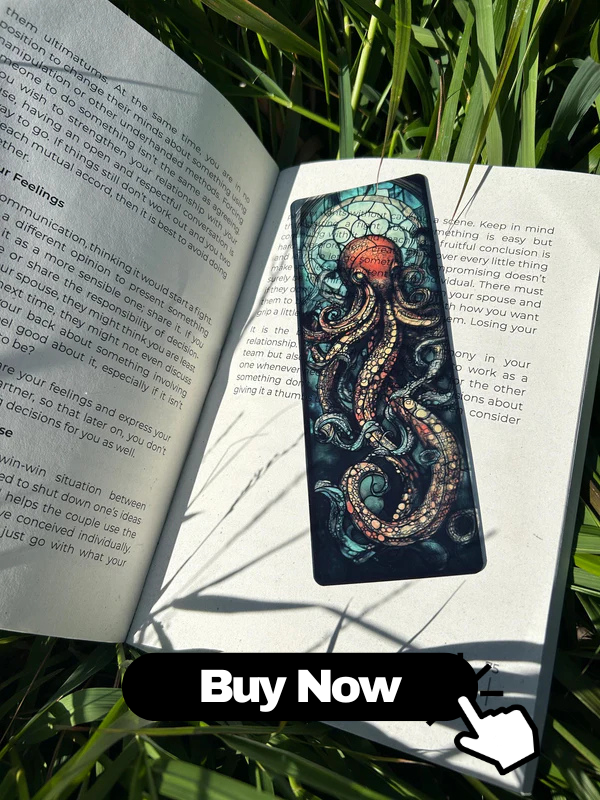
Handmade bookmarks and the art of slow creation are quietly reclaiming space in a digital-first world. As screens demand constant attention, many readers are rediscovering the deep satisfaction of holding a book in their hands and sliding a unique, handcrafted bookmark between its pages. This gentle ritual captures more than just a place in a novel; it captures a moment of stillness, creativity, and presence. In this detailed guide, we explore how handmade bookmarks can enrich your reading life, why slow creation matters for mental well-being, and how you can begin designing, crafting, and even selling your own artisanal bookmarks.
What Are Handmade Bookmarks?
Handmade bookmarks are small, functional art pieces created by hand, designed to mark your place in a book while expressing personality, style, and creativity. Unlike mass-produced bookmarks, each handmade bookmark carries the imprint of its maker’s time, intention, and artistic choices.
These bookmarks can be crafted from a wide range of materials and techniques, including:
- Paper and cardstock with illustrations, hand lettering, or collage
- Fabric and textile bookmarks with embroidery or quilting
- Leather with stamped or burned designs
- Metal or wire with charms or beads
- Pressed flowers laminated for durability
- Wood with carving, pyrography, or painting
In the world of bookish accessories, handmade bookmarks stand out because they combine practical use with artistic expression. Each piece can reflect the theme of a favorite book, a beloved quote, a color palette, or even a personal memory.
Why Handmade Bookmarks Matter in a Digital Age
With e-books and audiobooks growing in popularity, some people assume physical bookmarks are becoming irrelevant. The reality is the opposite: as digital devices dominate, many readers intentionally return to tactile, analog experiences—and handmade bookmarks are part of that shift.
Handmade bookmarks matter because they:
- Reinforce a love of physical books: They turn reading into a sensory ritual—feeling paper, seeing color, noticing texture.
- Offer a break from screens: Crafting or using a handmade bookmark encourages tech-free time and mindful focus.
- Celebrate individuality: No two handmade bookmarks are exactly the same, making them deeply personal items.
- Support artists and small makers: Buying handmade bookmarks often means supporting independent crafters and local artisans.
- Preserve tradition: Slow, handcrafted items resist the disposable culture of mass-produced goods.
For book lovers, a handmade bookmark can become a daily reminder of creativity, slowness, and intention each time they open their current read.
Benefits of Slow Creation for Mind and Soul
The “art of slow creation” is about more than crafting objects—it’s about crafting a calmer, more intentional life. When you make handmade bookmarks slowly and thoughtfully, you engage in a practice that nurtures well-being.
Emotional and Mental Benefits
- Stress reduction: Repetitive, gentle actions like cutting, gluing, or stitching can be meditative, helping to lower anxiety.
- Mindfulness: Focusing on texture, color, and small details brings your attention into the present moment.
- Satisfaction and accomplishment: Completing a small project like a bookmark gives a sense of tangible achievement.
- Creative expression: Even simple designs provide an outlet to express ideas, moods, and personal tastes.
Life Balance and Slowness
Incorporating slow creation into your life through handmade bookmarks can help you:
- Set boundaries with technology by dedicating screen-free crafting time.
- Develop patience as you allow projects to unfold gradually rather than rushing to finish.
- Reconnect with tactile skills like sewing, painting, drawing, or carving.
Slow creation aligns with movements like slow living, intentional living, and mindful crafting, all of which emphasize quality, presence, and depth over speed and quantity.
Essential Materials for Handmade Bookmarks
The materials you choose directly shape the look, feel, and durability of your handmade bookmarks. Selecting quality supplies is important for both aesthetics and usability.
Core Bookmark Bases
- Heavy cardstock or watercolor paper (200–300 gsm) for painted or illustrated bookmarks.
- Chipboard for extra rigidity and a professional feel.
- Fabric (cotton, linen, canvas) backed with interfacing to maintain structure.
- Leather and faux leather for durable, sophisticated bookmarks.
- Thin wood veneers or balsa wood for carved or burned designs.
- Metal blanks or sturdy wire for minimalist, modern bookmarks.
Decorative Elements
- Paints: Watercolor, gouache, acrylics.
- Inks and pens: Fineliners, calligraphy pens, brush pens.
- Stamps and ink pads: For repeatable designs and motifs.
- Stickers and washi tape: To quickly add color and pattern.
- Pressed flowers, leaves, or botanical elements.
- Ribbons, tassels, and cords: To finish the top or side of the bookmark.
- Charms and beads: Often used with metal or string bookmarks.
Tools and Protectants
- Cutting tools: Craft knife, scissors, paper trimmer.
- Hole punch: For attaching tassels or ribbons.
- Laminator or self-adhesive laminating sheets to protect paper designs.
- Glue: PVA glue, glue sticks, or double-sided tape for clean adhesion.
- Corner rounder: Prevents sharp edges from damaging books.
- Varnish or sealant: For painted wood or leather bookmarks.
Using archival-quality, acid-free materials is recommended if you want your bookmarks to last, especially for gifts, heirlooms, or items you plan to sell.
Popular Handmade Bookmark Styles and Ideas
There is a vast range of handmade bookmark designs, from minimalist to highly decorative. Exploring different styles helps you find your preferred aesthetic and crafting technique.
1. Classic Rectangular Paper Bookmarks
- Hand-painted bookmarks with watercolor florals, galaxies, landscapes, or abstract patterns.
- Typography and quote bookmarks featuring favorite lines from novels or motivational sayings.
- Mixed media bookmarks combining paint, collage, and textures.
2. Corner Bookmarks
- Origami corner bookmarks that slip over the page corner without hanging out of the book.
- Fabric corner bookmarks sewn in triangular shapes.
- Character or animal faces designed to “peek” over the page.
3. Fabric and Textiles
- Embroidered bookmarks with floral patterns, initials, or bookish motifs.
- Patchwork or quilted bookmarks using fabric scraps.
- Felt bookmarks with layered shapes or appliqué.
4. Leather and Faux Leather Bookmarks
- Stamped leather with quotes, names, or symbols.
- Burned designs using pyrography tools.
- Minimalist leather strips with clean edges and simple decoration.
5. Metal and Wire Bookmarks
- Paperclip-style bookmarks with tiny charms or shapes welded or glued on.
- Long metal bookmarks with engraved or stamped designs.
- Wire-wrapped bookmarks featuring beads or crystals.
6. Pressed Flower and Botanical Bookmarks
- Pressed flower bookmarks sealed in laminate or resin.
- Leaf silhouettes arranged to create natural art.
- Herbal-themed designs for nature lovers and gardeners.
Experimenting with several styles can help you refine your favorite techniques and develop a signature look for your handmade bookmark collection.
Step-by-Step Handmade Bookmark Projects
The best way to embrace the art of slow creation is to actually make something with your hands. Below are detailed, beginner-friendly projects that combine creativity with mindful crafting.
Project 1: Watercolor Quote Bookmark
Ideal for: Book lovers, journalers, and anyone who enjoys inspiring quotes.
-
Prepare your base
- Cut heavy watercolor paper into strips (approx. 5 x 15 cm or 2 x 6 inches).
- Use a corner rounder to soften sharp edges.
-
Paint the background
- Lightly wet the paper for a soft blend.
- Apply watercolor washes in your chosen color palette (e.g., blues and purples for a galaxy theme).
- Allow the bookmark to dry fully.
-
Add the quote
- Lightly sketch the quote in pencil to plan spacing.
- Use a fine-tip pen or brush pen to write the quote neatly.
- Consider using bookish quotes or affirmations related to reading and creativity.
-
Detail and protect
- Add subtle details—stars, dots, borders, or small illustrations.
- Once dry, seal with a clear spray fixative or laminate for durability.
- Optional: Punch a hole at the top and attach a tassel or ribbon.
Project 2: Simple Fabric Bookmark with Ribbon
Ideal for: Fabric lovers, sewists, and anyone with scrap fabric.
-
Cut fabric and interfacing
- Cut two fabric rectangles in the desired size (e.g., 5 x 18 cm / 2 x 7 inches).
- Cut one piece of interfacing slightly smaller to add stiffness.
-
Fuse and layer
- Iron the interfacing onto the wrong side of one fabric piece.
- Place right sides of the fabric pieces together.
- Pin or clip the edges.
-
Attach ribbon and sew
- Fold a short length of ribbon in half and insert it between the layers at one short end, with the loop inside.
- Sew around the edges with a small seam allowance, leaving a small gap for turning.
-
Turn and finish
- Turn the bookmark right-side out through the gap.
- Press flat with an iron.
- Topstitch around the edge to close the gap and reinforce the shape.
Project 3: Pressed Flower Laminated Bookmark
Ideal for: Nature enthusiasts, herbalists, and botanical art fans.
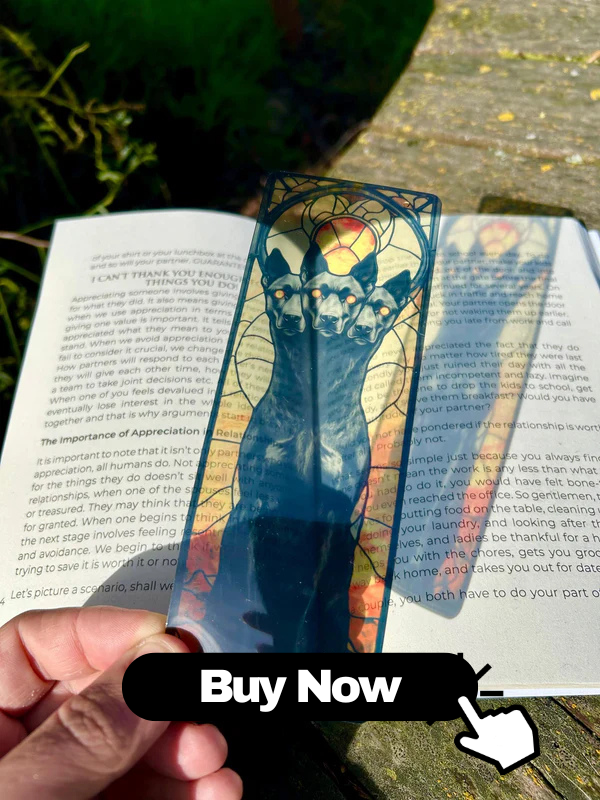
-
Gather and press flowers
- Select small, flat flowers and leaves.
- Press them in a heavy book or flower press for 1–2 weeks.
-
Arrange the design
- Cut two clear laminating sheets or pouches to your desired bookmark size.
- Arrange the pressed flowers on one side in a pleasing composition.
-
Lamination
- Carefully place the second sheet on top, ensuring no flowers are sticking out.
- Run through a laminator or firmly press self-adhesive laminate together, smoothing out bubbles.
-
Trim and finish
- Trim the edges, leaving a small clear border to keep the seal intact.
- Optional: Add a hole and ribbon for decoration.
Each of these projects is deliberately simple yet meditative, allowing you to enjoy the slow process of making without feeling rushed or overwhelmed.
Personalization, Gifting, and Meaningful Keepsakes
Handmade bookmarks are powerful tools for personalization and thoughtful gifting. Because they are small and intimate, they can carry deep meaning without being overly expensive or complex.
Personalization Ideas
- Names and initials written, embroidered, or stamped.
- Favorite quotes or verses tailored to the recipient.
- Color palettes that reflect the person’s style or home decor.
- Symbols or motifs related to hobbies, careers, or fandoms.
- Dates or milestones (graduation, anniversaries, birthdays).
Occasions for Gifting Handmade Bookmarks
- Book club gatherings – customized bookmarks for each member.
- Weddings – bookmarks as literary wedding favors.
- Teacher appreciation – personalized bookmarks for educators.
- Holidays – tucked inside books as part of a larger gift.
- Graduations – with inspiring quotes for new chapters in life.
Because they are flat and lightweight, bookmarks also make excellent mailable gifts. You can easily include a handmade bookmark in a letter or greeting card without increasing postage significantly.
Eco-Friendly and Sustainable Bookmark Options
Sustainability is an important consideration when creating and using bookmarks. The art of slow creation naturally pairs well with eco-friendly bookmark materials and practices.
Eco-Conscious Materials
- Recycled paper and cardstock for the base.
- Upcycled materials like old maps, sheet music, and book pages.
- Natural fibers such as cotton, linen, jute, or hemp.
- Plant-based inks and dyes where available.
- Sustainably sourced wood or bamboo for wooden bookmarks.
Low-Waste Crafting Habits
- Use scraps from other art projects to create collaged bookmarks.
- Repurpose packaging (like sturdy boxes) as chipboard bases.
- Minimize plastic by choosing non-laminated or glassine packaging instead of plastic sleeves.
- Buy in bulk to reduce packaging waste and repeated shipping.
Eco-friendly handmade bookmarks not only support the planet but also appeal to readers who value sustainability and ethical consumption.
Selling Handmade Bookmarks Online
For many creators, what begins as a personal hobby evolves into a small business. Selling handmade bookmarks can be a rewarding way to share your work while earning supplementary income.
Choosing a Platform
- Etsy: Popular marketplace for handmade and vintage items.
- Shopify: Great for building a standalone online store.
- Local marketplaces: Community sites focused on regional customers.
- Social media shops: Instagram, Facebook, and TikTok Shop.
Pricing Considerations
- Material costs: Paper, ink, packaging, shipping supplies.
- Time investment: Even small items require labor; price accordingly.
- Complexity: Hand-painted or embroidered bookmarks should cost more than simple printed designs.
- Market research: Compare similar handmade bookmark listings to find a fair range.
Product Presentation and SEO
Optimizing listings for search engines and platform search is crucial:
- Use descriptive titles such as “Handmade Watercolor Floral Bookmark with Inspirational Quote.”
- Include relevant keywords naturally in descriptions: “book lover gift,” “bookish accessories,” “literary bookmarks,” “handcrafted bookmark.”
- Add detailed descriptions:
- Size and dimensions
- Materials used (acid-free paper, eco-friendly ink, etc.)
- Care instructions
- Ideal uses (gifts, reading journals, book club favors)
- Use high-quality photos showing the bookmark in and out of a book.
When marketing your bookmarks, highlight the connection between slow creation, mindful reading, and handmade quality. This story differentiates your work from mass-produced alternatives.
Caring for and Storing Handmade Bookmarks
Proper care extends the life of your handmade bookmarks, especially those made with delicate materials.
General Care Tips
- Avoid moisture: Keep bookmarks away from water, steam, and high humidity.
- Protect from direct sun: Prolonged exposure can fade colors.
- Handle gently: Thin paper, dried flowers, and delicate paint finishes can be damaged by rough use.
Storage Suggestions
- Bookmark boxes or tins to keep a collection organized.
- Photo albums or sleeves for flat, paper bookmarks.
- Fabric pouches for embroidered or textile bookmarks.
- Separate compartments to prevent tassels, charms, or ribbons from tangling.
For collectors, properly stored bookmarks can become a personal archive of reading history—each piece tied to a specific book, season, or chapter of life.
Slow Creation as a Lifestyle Beyond Bookmarks
Handmade bookmarks often serve as a gateway to a larger practice of slow living and intentional creativity. Once you experience the calm and satisfaction of making something simple yet meaningful, you may feel inspired to explore other slow crafts.
Connecting Bookmarks to Broader Creative Practices
- Journaling and sketching alongside reading and bookmarking.
- Handmade notebooks or bookbinding to accompany your bookmarks.
- Embroidery, knitting, or crochet as complementary slow crafts.
- Calligraphy and hand lettering for quotes and book-themed art.
At its heart, the art of slow creation invites you to:
- Value process over speed.
- Embrace imperfection as a hallmark of human-made objects.
- Create moments of stillness in a culture that rewards constant productivity.
Handmade bookmarks embody this philosophy in a small, accessible format. They are practical, beautiful reminders that life can be lived more slowly and more intentionally, one page at a time.
Frequently Asked Questions about Handmade Bookmarks
How thick should a handmade bookmark be?
Bookmarks should be sturdy but not bulky. For paper bookmarks, cardstock in the range of 200–300 gsm works well. Fabric bookmarks should be reinforced with interfacing but still flexible enough not to damage the book’s spine.
Do handmade bookmarks damage books?
When crafted properly, handmade bookmarks are safe for books. Avoid:
- Very thick or rigid materials that stress the binding.
- Sharp edges that can tear or dent pages.
- Wet media (like unsealed paint) that may transfer color.
Can I laminate all kinds of bookmarks?
Lamination is suitable for most paper-based bookmarks, but not always ideal for:
- Very thick collage or 3D elements.
- Heat-sensitive materials (some inks or adhesives).
- Bookmarks intended to maintain a soft, fabric texture.
How can I make my handmade bookmarks look professional?
- Cut clean edges with a ruler and craft knife or paper trimmer.
- Use consistent sizes for sets or collections.
- Seal edges and surfaces when needed.
- Package thoughtfully with simple sleeves, backing cards, or labels.
Where can I find inspiration for bookmark designs?
- Books and literature: favorite characters, genres, and quotes.
- Nature: leaves, flowers, landscapes, and seasons.
- Art movements: minimalism, impressionism, abstract art.
- Everyday objects: tea cups, stationery, stars, and moons.
- Online communities: craft blogs, social media, and bookmark makers’ galleries.
Handmade bookmarks and the art of slow creation offer a simple, beautiful path back to hands-on making, mindful reading, and a more intentional, grounded way of living. Whether you keep your bookmarks, gift them, or sell them, each piece becomes a small, tangible celebration of the gentle power of taking your time.