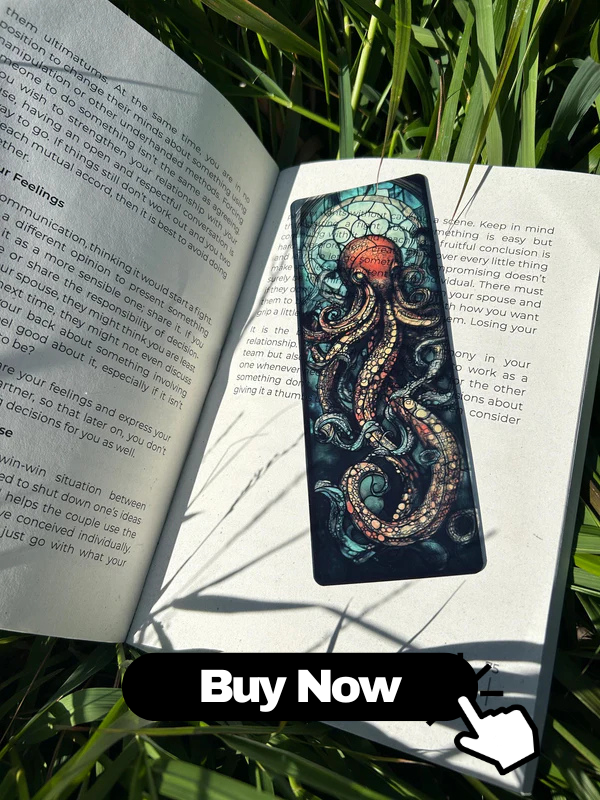
Bookmarks are beloved tools for readers, but many book lovers quietly wonder: Do bookmarks damage books over time? While bookmarks are generally safer than folding page corners, the type of bookmark, how it’s used, and the materials it’s made from can all influence a book’s long-term condition. This in-depth guide explores how bookmarks affect books, which kinds can cause damage, and how to choose book-safe bookmarks that protect your pages for years to come.
Do Bookmarks Damage Books Over Time?
In most everyday reading situations, properly used bookmarks do not significantly damage books. In fact, they are typically far better for your books than folding page corners or leaving the book open face-down. However, certain bookmark designs and habits can create subtle wear that becomes more visible over many years, especially in:
- Collectible editions or first printings
- Delicate or antique books with brittle paper
- Heavily used textbooks and work manuals
To understand whether bookmarks damage books over time, it helps to look at:
- The physical pressure bookmarks exert on pages
- The materials used in the bookmark itself
- How long the bookmark stays in place (short-term vs. years)
- The environment in which the book is stored (humidity, light, heat)
When chosen and used wisely, bookmarks are a safe, book-friendly tool. Problems usually arise not from bookmarks themselves, but from inappropriate materials, poor storage, or overly thick or aggressive designs.
Common Types of Bookmarks and Their Effects on Books
Different bookmark styles interact with books in different ways. Some are almost completely harmless, while others can bend, stain, or distort pages over time. Understanding the common types of bookmarks helps you choose the safest bookmark for long-term book preservation.
- Paper bookmarks
- Cardstock or laminated bookmarks
- Metal bookmarks and clips
- Magnetic bookmarks
- Ribbon bookmarks (attached and loose)
- Homemade or improvised bookmarks (receipts, sticky notes, etc.)
Paper Bookmarks
Simple paper bookmarks are among the gentlest options when used in modern books:
- They are thin and flexible, creating less pressure on the spine.
- They usually don’t leave impressions unless the book is tightly compressed.
- They are easy to replace and inexpensive.
However, low-quality, highly acidic paper can:
- Yellow and become brittle over time.
- Transfer acidity to the book pages they touch, particularly in long-term storage.
Cardstock and Laminated Bookmarks
Cardstock and laminated bookmarks are common as gifts and store purchases. They are sturdy and attractive, but they can:
- Be relatively thick, which slightly stresses the binding when the book is closed tightly.
- Leave a permanent compression mark in very delicate paper, especially near the spine.
- Cause “bookmark bulge” if many are used in one book.
For most modern paperbacks and hardcovers, laminated bookmarks are safe, but for rare or fragile books, a thinner, archival-quality bookmark is better.
Metal Bookmarks and Clips
Metal bookmarks, including:
- Metal page clips
- Engraved metal strips
- Decorative metal corners
are durable and visually appealing but can be riskier for book preservation:
- They may indent or crease pages due to rigid edges.
- They often apply uneven pressure on small surface areas.
- In humid environments, some metals may tarnish or react, leaving small discolorations on paper.
If you care about keeping your books in near-mint condition, especially collectible books, minimize the use of heavy or tightly clamped metal bookmarks.
Magnetic Bookmarks
Magnetic bookmarks fold over the top or side of a page and stay in place using small magnets. They are popular because they:
- Are very secure (won’t fall out easily).
- Are compact and lightweight.
- Come in many designs, ideal for bookmark collectors.
However, they also:
- Apply pinch pressure on the exact area they grip.
- Can leave a slight ripple or indentation over long periods on thin paper.
- May stress the paper if repeatedly pulled off and reattached roughly.
When used gently and moved occasionally, magnetic bookmarks are generally safe. For long-term storage in valuable books, consider a non-magnetic, archival bookmark instead.
Ribbon Bookmarks
Ribbon bookmarks are often sewn into:
- Journals and planners
- High-quality hardcovers
- Religious texts (e.g., Bibles)
Attached ribbon markers are usually very safe:
- They are thin and flexible.
- They do not increase the thickness of the book’s interior significantly.
- They move easily as you turn pages.
Potential issues include:
- Dye transfer from dark or saturated ribbons onto light pages over long periods, especially in humid conditions.
- Frayed ends that can snag thin paper if pulled quickly.
Homemade and Improvised Bookmarks
Readers often improvise with:
- Receipts and tickets
- Sticky notes
- Newspaper scraps
- Photographs
These can be more problematic than proper bookmarks because:
- Receipts often use thermal paper, which can fade, darken, or chemically react with pages over time.
- Newspaper is highly acidic and can discolor book pages.
- Sticky notes can leave adhesive residue that attracts dust and causes staining.
- Photographs, especially older or non-archival prints, may transfer inks or stick to pages under pressure and humidity.
For long-term book preservation, use neutral, archival-safe bookmarks rather than random bits of paper or adhesive notes.
How Bookmarks Can Subtly Damage Books
Even when they seem harmless, bookmarks can create slow, subtle damage that accumulates over time. This is especially important for readers who:
- Leave bookmarks in place for months or years.
- Store books tightly packed or compressed on shelves.
- Keep books in attic, basement, or humid conditions.
1. Pressure on the Binding and Spine
Placing a thick or rigid bookmark near the inner margin (close to the spine) can:
- Force the book’s covers apart when closed.
- Cause the spine to bow slightly or become misaligned.
- Lead to loose binding in older or cheaply-made books.
2. Indentations and Impressions
Over time, a bookmark can:
- Leave a visible “shadow” or depression where it rested.
- Compress fibers in the paper, reducing flexibility.
- Create a permanent ridge if the book is stored under heavy weight.
3. Chemical Interaction and Acidity
Non-archival bookmarks can introduce:
- Acidic compounds from low-quality paper.
- Dyes and inks that fade, bleed, or transfer to the book page.
- Plasticizers from certain plastics that degrade and become sticky.
This is most noticeable when:
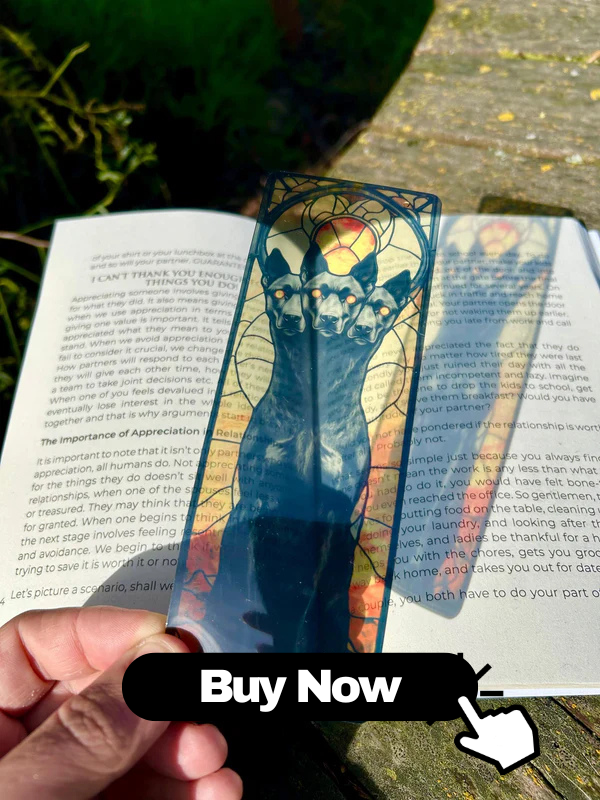
- A bookmark is left in one place for many years.
- The book is exposed to heat or high humidity.
4. Physical Abrasion
Bookmarks can also cause wear when:
- Sharp or rough edges scrape against pages as the bookmark is moved.
- Metal or hard plastic corners catch and tear delicate paper.
- Readers pull bookmarks out quickly, dragging them across printed text.
Safe Bookmarks vs. Risky Bookmarks
To reduce or eliminate long-term damage, it helps to distinguish between book-safe bookmarks and those that are more likely to harm pages or bindings.
Generally Safer Bookmark Options
- Thin, acid-free paper bookmarks (archival quality)
- Lightweight ribbon bookmarks without heavy charms
- Soft, flexible plastic bookmarks rated as archival-safe
- Fabric bookmarks using colorfast dyes and smooth edges
Higher-Risk Bookmark Options
- Bulky, thick bookmarks that strain the spine
- Heavy metal or rigid plastic bookmarks with sharp corners
- Magnetic bookmarks left in place for many years on thin or brittle paper
- Adhesive-based markers (tapes, stickers, sticky flags) used inside collectible books
For valuable or sentimental books, aim to use neutral, thin, and smooth bookmarks, and avoid anything that clamps, sticks, or presses too tightly.
Best Materials for Bookmarks That Won’t Damage Books
From a preservation perspective, the best bookmarks are made from inert, stable, and non-acidic materials. If you want to minimize the risk of damage over time, consider the following materials.
Archival Paper
- Acid-free and lignin-free
- Doesn’t yellow or become brittle as quickly as ordinary paper
- Ideal for long-term bookmarks in cherished books
Mylar or Polyester Film
- Clear, inert plastic used by archivists and libraries
- Does not react chemically with paper or ink
- Very thin and smooth, minimizing pressure and abrasion
Cotton or Linen Fabric
- Soft, non-scratching surface
- When undyed or lightly dyed, low risk of color transfer
- Comfortable to handle and attractive as a decorative bookmark
What to Avoid in Bookmark Materials
- Highly acidic paper, like newsprint or cheap pamphlets
- Uncoated metal that may rust or tarnish
- Rubberized materials that can degrade and leave residue
- Unknown adhesives on stickers, tapes, or sticky-note-style markers
How to Use Bookmarks Properly to Avoid Damage
Even the safest bookmark can cause problems if used carelessly. Proper bookmark usage techniques help ensure that your reading habits don’t reduce the lifespan of your favorite books.
1. Place the Bookmark Correctly
- Insert the bookmark fully inside the page, not hanging far out the top where it can bend or catch.
- Avoid pushing it deep into the inner margin; place it slightly away from the spine.
- Don’t wedge multiple bookmarks in a tight cluster; space them out.
2. Avoid Over-Thick Markers
- Do not use thick objects like:
- Pens
- Pencils
- Bulky souvenirs
- Extra thickness forces the book covers apart and puts constant stress on the spine.
3. Don’t Slam the Book Closed
- Close the book gently to ensure that:
- Pages settle evenly around the bookmark.
- No corners fold or catch on the marker.
- Never use a bookmark as a “lock” and press or hit the book to shut it.
4. Move Long-Term Bookmarks Periodically
- If a bookmark will remain in a book for months or years, especially in storage:
- Open the book occasionally and shift the bookmark to a different page.
- Check for early signs of impressions or discoloration.
5. Keep Books and Bookmarks Clean and Dry
- Store books in a cool, dry environment away from direct sunlight.
- Ensure bookmarks are completely dry and free of:
- Food residue
- Sticky substances
- Ink that easily smears
Bookmarks vs. Dog-Ears and Other Page-Saving Methods
When considering whether bookmarks damage books over time, it helps to compare them with other common page-marking habits.
Dog-Earing (Folding Corners)
Folding down the page corner is a widespread habit, but:
- It creates a permanent crease in the paper fibers.
- Over time, the folded tip can flake or tear off.
- Multiple dog-ears make a book look worn, wrinkled, and less valuable.
Compared to dog-ears, bookmarks are far gentler and strongly preferred for preserving book condition.
Leaving Books Open Face-Down
- Stresses the spine by forcing it beyond its natural opening angle.
- Causes pages to warp or curve near the center.
- Creates uneven pressure on the binding and glue.
A simple, thin bookmark is significantly safer than leaving a book open on a table for long periods.
Using Sticky Tabs and Adhesive Flags
- Useful for temporary marking in textbooks and notebooks.
- However, adhesives can:
- Leave a sticky residue on pages.
- Attract dust and dirt.
- Cause tearing when removed roughly.
Use adhesive markers only in working copies, not in rare or sentimental books you wish to preserve in top condition.
Preserving Collectible and Rare Books with Bookmarks
For collectors, archivists, and serious book lovers, the question “Do bookmarks damage books over time?” is especially important. Even minor wear can significantly affect the value of:
- First editions
- Signed copies
- Limited-run hardcovers
- Antique or rare volumes
Best Practices for Collectible Books
- Use archival, acid-free paper or polyester bookmarks.
- Avoid:
- Metal clips
- Magnetic bookmarks
- Adhesive markers
- Remove bookmarks when the book is being:
- Stored for long periods
- Placed in an archival box or slipcase
- Consider using a book cradle or stand while reading, which reduces stress on the spine along with careful bookmark use.
Consulting Conservation Guidelines
Libraries and archives often recommend:
- Neutral, inert bookmarks only.
- No metal, adhesives, or pressure clamps.
- Regular inspection of any object stored inside the book.
If you have a particularly valuable book, following archival conservation standards ensures that even your bookmark choice supports long-term preservation.
How to Store Books That Contain Bookmarks
Storage conditions play a major role in whether bookmarks cause damage over time. Even a safe bookmark can create issues in a poor environment.
Recommended Storage Conditions
- Temperature: Cool and stable, avoiding extremes.
- Humidity: Around 40–55% to prevent mold and paper warping.
- Light: Store away from direct sunlight to avoid fading and brittleness.
Positioning on Shelves
- Do not pack books so tightly that:
- Covers are under constant pressure.
- Bookmarks are forced into pages.
- Avoid stacking heavy books horizontally on top of books that contain bookmarks.
Removing Bookmarks for Long-Term Storage
- If a book will be stored:
- In a box
- In a long-term collection
- In a climate-controlled archive
- Store your bookmarks separately in:
- A bookmark case
- An envelope
- A dedicated bookmark album
Frequently Asked Questions About Bookmarks and Book Damage
Do magnetic bookmarks damage books over time?
Magnetic bookmarks can slightly compress and indent the area they clamp, especially on thin, delicate, or older paper. For everyday reading of modern books, this is rarely serious. For rare or fragile books, choose a thin, non-magnetic bookmark instead.
Can metal bookmarks ruin my books?
Metal bookmarks can:
- Indent pages
- Scratch or tear paper
- Tarnish or stain in humid environments
Used occasionally and gently, they may be fine for robust modern books, but they are not ideal for long-term use in valuable or archival volumes.
Is it bad to leave a bookmark in a book for years?
If the bookmark is:
- Thin
- Archival-quality
- Not acidic or adhesive
then leaving it for years is usually safe. However, any bookmark left in place for decades in poor storage conditions can cause impressions, discoloration, or minor warping. For special books, remove bookmarks before long-term storage.
Which bookmarks are best for textbooks and daily reading?
For textbooks and everyday novels:
- Thin cardstock or laminated bookmarks are typically safe.
- Magnetic bookmarks are fine if handled gently.
- Avoid using thick objects like pens or bulky items that strain the spine.
Can bookmarks cause mold or mildew?
Bookmarks themselves don’t cause mold, but:
- If they are moist or have absorbed water, they can introduce humidity.
- Organic materials (paper, fabric) in damp conditions can encourage mold growth.
Always keep both books and bookmarks dry and away from damp environments.
Final Thoughts
Bookmarks, when thoughtfully chosen and used, are generally safe and protective tools for books. The question “Do bookmarks damage books over time?” has a nuanced answer:
- Most modern books will suffer little to no harm from thin, smooth bookmarks.
- Delicate, collectible, and archival books require extra care in bookmark material and placement.
- Improper materials—metal, acidic paper, adhesives—and rough handling are the primary causes of bookmark-related damage.
By using acid-free, thin, and non-abrasive bookmarks, placing them carefully, and storing your books properly, you can enjoy both your reading and your bookmark collection without compromising the long-term health of your library.