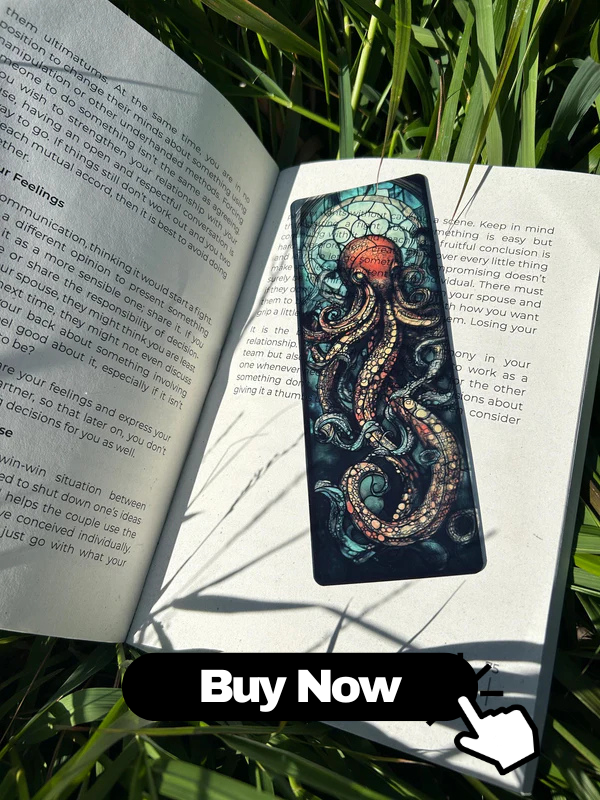
Reading is more than a hobby or a way to pass the time; it is a quiet, transformative force that reshapes how we think, feel, and experience the world. In an age of constant notifications and digital noise, opening a book can feel like stepping through a hidden doorway—an act of everyday magic that enriches our minds, calms our nervous systems, and sparks our imagination. This article explores why reading is a form of everyday magic, how it transforms your brain and your life, and how you can build a reading habit that feels enchanting rather than exhausting.
What Makes Reading Feel Like Magic?
At a glance, reading looks ordinary: symbols on a page, eyes moving left to right, a quiet person in a chair. But beneath that simplicity lies something astonishing: a complete mental transportation powered by ink and imagination.
Reading is a form of everyday magic because it:
- Transports you to other worlds without moving your body an inch.
- Lets you experience other lives—their joys, fears, and challenges—through words alone.
- Transforms thoughts into emotions: text becomes tension, laughter, tears, or hope.
- Creates time travel, allowing you to meet voices from centuries ago or futures not yet born.
- Connects strangers across cultures and generations through shared stories and ideas.
This “magic” isn’t just poetic. It has real, measurable effects on your brain, your emotions, and even your physical health. Understanding those effects can deepen your appreciation for the simple, powerful act of reading.
The Neuroscience of Reading: How Books Change Your Brain
One of the most convincing reasons why reading is magical is that it literally rewires your brain. Modern neuroscience shows that reading is a complex workout for many regions of the brain simultaneously.
How Your Brain Reacts When You Read
- Language centers activate (Broca’s and Wernicke’s areas) to decode words, grammar, and meaning.
- Visual processing regions interpret shapes of letters and words and form mental images.
- Sensory and motor areas can light up when you read about tastes, textures, movement, or pain.
- Memory networks engage as you track characters, plots, arguments, and relationships.
This means that when you read about a character running, your brain may partially simulate running; when you read about a delicious meal, it may activate areas related to taste and smell. That’s part of why reading can feel so vivid and immersive.
Long-Term Benefits of Reading for the Brain
Regular reading is associated with:
- Improved concentration and focus
- Better vocabulary and communication skills
- Enhanced critical thinking and problem-solving
- Slower cognitive decline as you age
- Greater creativity through constant exposure to new ideas and perspectives
From an SEO perspective, anyone searching for terms like “benefits of reading,” “how reading affects the brain,” or “brain benefits of books” is really asking: how does this ordinary activity create extraordinary mental changes? The answer lies in this dynamic, whole-brain engagement.
Imagination and Storytelling: The Invisible Worlds Inside Books
One of the most magical aspects of reading is the way it awakens your imagination. Unlike film or television, which show you everything directly, books rely on your inner eye to co-create the experience.
Why Reading Activates Your Imagination So Deeply
- Books offer outlines; your mind fills in the details. The author may describe a “crowded market,” but your imagination chooses the exact faces, sounds, and smells.
- Stories invite participation. As you read, you predict what happens next, interpret motives, and build entire worlds in your head.
- Every reader creates a different version. Two people reading the same novel never picture it exactly the same way—that personal adaptation is its own kind of magic.
The Role of Storytelling in Human Life
Storytelling has always been central to human culture. Reading is a modern extension of ancient oral traditions and myth-making. Through stories, we:
- Make sense of our experiences and give meaning to chaos.
- Pass down wisdom from generation to generation.
- Explore “what if” scenarios safely, from moral dilemmas to imagined futures.
- Find language for our feelings when real life feels confusing or overwhelming.
This is where reading and magic intersect: both invite us into alternative realities and expanded possibilities. In those imagined worlds, we try on identities, experiment with choices, and return to our own lives slightly changed.
How Reading Builds Empathy and Emotional Intelligence
Another reason reading feels magical is its power to change how we relate to other people. By stepping into fictional or real lives on the page, we practice understanding emotions, motives, and perspectives different from our own.
Reading as an Empathy Gym
When you read a well-crafted novel or memoir, you:
- See the world through another person’s eyes, including their fears, hopes, and inner conflicts.
- Witness the consequences of actions and decisions in a deeply personal way.
- Learn to tolerate ambiguity: good characters make bad choices, and bad characters sometimes do good things.
This practice is like an emotional workout. Over time, it can lead to:
- Higher emotional intelligence (EQ)
- More compassion and understanding in real-life relationships
- Better conflict resolution skills because you understand multiple sides of a situation
Nonfiction and Empathy
It’s not only fiction that builds empathy. Memoirs, biographies, and narrative nonfiction give intimate access to real people’s struggles and triumphs. Reading about lived experiences of others—across cultures, histories, and identities—widens your emotional horizon and reduces stereotypes.
Reading for Mental Health and Inner Calm
In a fast-paced world, reading can serve as a gentle, powerful form of self-care and mental health support. For many people, reading is a daily ritual that lowers anxiety, offers comfort, and restores a sense of control.
Stress Reduction Through Reading
Studies have shown that reading for just a few minutes can:
- Lower heart rate and muscle tension
- Reduce stress levels more effectively than some other leisure activities
- Shift attention away from worries toward a structured, immersive narrative
The act of focusing on a story helps quiet the mental noise of to-do lists, worries, and constant digital distractions.
Emotional Regulation and Comfort
Reading can also help you:
- Process difficult emotions by relating to characters with similar struggles.
- Find language for feelings you couldn’t name before.
- Discover coping strategies and new perspectives for handling challenges.
For people facing anxiety, depression, grief, or burnout, certain kinds of books—whether gentle fiction, inspiring memoirs, or mental health resources—can offer solace and insight. While reading is not a substitute for professional help when needed, it can be a valuable companion in healing and self-discovery.
Reading for Personal Growth and Lifelong Learning
Reading is also magical because it offers unlimited growth at minimal cost. A single library card or a few carefully chosen books can transform your skills, your mindset, and your opportunities.
How Reading Fuels Personal Development
- Self-help and psychology books can introduce tools for better habits, communication, and confidence.
- Business and productivity books can sharpen your professional skills and strategic thinking.
- Philosophy and spiritual texts can deepen your sense of meaning and purpose.
- History and science books broaden your understanding of how the world works.
Because you can choose what you read, you can deliberately shape your learning. Over time, this kind of intentional reading can accumulate into a powerful body of knowledge and wisdom—another form of quiet, everyday magic.

Reading as a Competitive Advantage
In many fields, consistent reading is a secret advantage. People who read regularly often:
- Stay ahead of trends and new ideas in their industry.
- Communicate more clearly in writing and speaking.
- Bring more creative solutions to problems, drawing from a wide range of influences.
This is why terms like “reading for success,” “reading for personal growth,” and “lifelong learning through books” are so popular: reading quietly supports both personal fulfillment and practical achievement.
Turning Reading Into a Daily Ritual of Everyday Magic
To truly experience why reading is a form of everyday magic, it helps to turn it into a ritual rather than a rushed afterthought.
Designing Your Reading Ritual
Consider these elements to make reading feel special and sustainable:
- Time: Choose a consistent window—morning, lunch break, commute, or before bed.
- Place: Create a cozy spot: a chair by the window, a corner of the couch, or a park bench.
- Atmosphere: Add small comforts—tea, a blanket, soft lighting, or calm background music.
- Boundaries: Put your phone in another room or on airplane mode to protect your focus.
When you treat reading like a gentle ritual, it signals to your brain that this is a time for slowing down, deep focus, and inner exploration.
Micro-Rituals for Busy Days
Even if your life feels hectic, you can weave small reading rituals into it:
- Read 5–10 pages with your morning coffee.
- Carry a book or e-reader and read while waiting—in line, on transit, during appointments.
- Replace some scrolling time with a few minutes of a chapter before bed.
Over time, these micro-moments add up to hours of meaningful, restorative reading.
Practical Tips to Read More (Without Burning Out)
Many people love the idea of reading but struggle to sustain the habit. To keep the magic alive, your reading life needs to feel doable and rewarding, not like another task on your endless list.
1. Start with Realistic Goals
- Instead of “I’ll read 52 books this year,” try: “I’ll read 10 minutes a day.”
- Use manageable milestones: one chapter, a few pages, or a short story at a time.
2. Make Books Easy to Reach
- Keep a book in your bag or on your phone (via an e-reading app).
- Place books in visible spots at home: nightstand, coffee table, desk.
3. Mix Formats to Fit Your Life
- Print books for deep, screen-free reading.
- E-books for portability and instant access.
- Audiobooks for commutes, chores, exercise, and eye-tired days.
4. Drop Books That Don’t Work for You
- Give yourself permission to stop reading books you don’t enjoy.
- Set a rule: if you’re not engaged after 50 pages (or less), move on.
5. Track Your Reading (Lightly)
- Use a notebook, app, or reading journal to jot down:
- Titles you’ve finished
- Quotes that moved you
- Ideas or questions sparked by the book
Tracking helps you see your progress and strengthens the sense that reading is a meaningful part of your life, not just something you “should” be doing.
Choosing the Right Books to Keep the Magic Alive
The right book at the right time can feel like a spell. The wrong book at the wrong time can make reading feel like a chore. Curating what you read is part of preserving the magic.
Follow Your Curiosity
- Ask: “What am I genuinely curious about right now?”
- Let your interests guide you—whether that’s fantasy, history, neuroscience, poetry, or personal finance.
Balance Comfort and Challenge
- Comfort reads: books that soothe you—familiar genres, favorite authors, cozy stories.
- Challenge reads: books that stretch your perspective, style, or knowledge.
A healthy reading life usually includes both: some books feel like warm blankets; others feel like a brisk, bracing walk.
Use Recommendations Wisely
- Browse:
- Book blogs and review sites
- Online book communities and reading groups
- Curated lists from bookstores and libraries
- Ask friends, librarians, or coworkers: “What book changed something for you?”
Remember: recommendations are suggestions, not obligations. If the book doesn’t speak to you, you can set it aside.
Reading in the Digital Age: Screens, E-books, and Audiobooks
Today, the magic of reading appears in many forms: printed pages, glowing screens, and spoken word. Each format has its strengths, and combining them can support a rich, flexible reading life.
Print Books
- Tactile experience: turning pages, seeing progress, feeling the weight of the book.
- Fewer digital distractions: no notifications or pop-ups.
- Better for deep focus for many readers.
E-Books
- Portability: carry an entire library in your pocket.
- Adjustable text: font size, background color, line spacing.
- Instant access: download a book in seconds.
Audiobooks
- Hands-free reading: perfect for walking, commuting, or household tasks.
- Performance element: skilled narrators can add emotion and nuance.
- Accessibility: helpful for people with visual impairments or reading difficulties.
All of these formats continue the essential magic: connecting you with stories and ideas. Whether you turn pages, tap screens, or press play, you’re engaging in the same timeless act of imaginative, focused attention.
Building a “Reading Life” Instead of Just a Reading Habit
For many readers, the deepest magic comes when reading is not just something they do, but part of who they are.
What Is a “Reading Life”?
A reading life is a way of living in which books and reading are woven into your identity, your relationships, and your routines.
Signs you’re building a reading life include:
- You think in stories and metaphors from what you’ve read.
- You have ongoing conversations about books with friends, family, or online communities.
- You organize spaces in your home around reading—shelves, nooks, stacks by the bed.
- You mark life seasons by the books that carried you through them.
Ways to Enrich Your Reading Life
- Join a book club or informal reading circle.
- Keep a reading journal to reflect on what you read and how it affects you.
- Revisit favorite books at different ages to see how your understanding changes.
- Pair reading with creation: write reviews, blog posts, or responses; create art inspired by books.
When reading becomes part of your larger life story, its magic compounds over the years. Books trace your growth, your shifting questions, and your expanding horizons.
Final Thoughts: Protecting the Magic
Reading is a form of everyday magic because it does something quietly revolutionary: it allows words on a page to become worlds in your mind. It strengthens your brain, opens your heart, calms your nervous system, and connects you with people you may never meet in person—authors, characters, and other readers across time and space.
To protect that magic in a distracted age:
- Guard time for reading as you would any important appointment.
- Choose books that truly interest you, not just ones you feel you “should” read.
- Allow yourself to sink in—to lose track of time, to feel deeply, to think slowly.
Every time you open a book, you enact a simple spell: you trade noise for focus, fragmentation for narrative, and isolation for connection. In that sense, reading may be one of the most accessible and powerful forms of everyday magic we have—and it’s always waiting, quietly, on the next page.