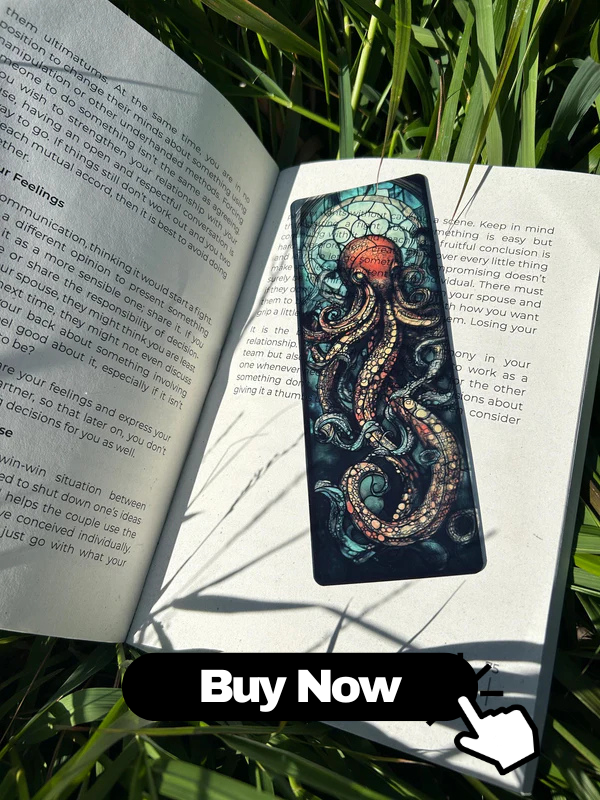
Handmade bookmarks are more than just page holders; they are miniature works of art that combine creativity, craftsmanship, and personality. From the first sketch to the final protective finish, each step in crafting a bookmark by hand involves thoughtful design decisions, careful material selection, and refined techniques. In this detailed guide, you’ll learn exactly how handmade bookmarks are crafted from start to finish, including tools, materials, design ideas, and professional tips for durability and style. Whether you’re a beginner crafter, a DIY enthusiast, or a small business owner looking to sell handmade bookmarks, this in-depth tutorial will walk you through the entire process.
What Are Handmade Bookmarks?
Handmade bookmarks are custom, manually crafted markers used to keep a reader’s place in a book. Unlike mass-produced bookmarks, they are created individually, often using:
- Artisan techniques like painting, calligraphy, embossing, or sewing
- Unique materials such as watercolor paper, leather, fabric, wood, resin, or recycled materials
- Personalized designs featuring names, quotes, artwork, or themed illustrations
Because they are handmade, each bookmark is slightly different, adding charm and uniqueness that appeals to readers, collectors, and gift buyers.
Benefits of Handmade Bookmarks
Understanding the benefits of handmade bookmarks will help you design and craft them more intentionally.
- Unique and personalized: No two handmade bookmarks are exactly the same, making them perfect for gifts and custom orders.
- Creative self-expression: They allow artists and crafters to experiment with colors, textures, patterns, and typography.
- Eco-friendly options: Many handmade bookmarks are crafted from recycled paper, upcycled fabric, or sustainably sourced materials.
- Perfect for book lovers: A beautifully designed bookmark enhances the reading experience and becomes a cherished keepsake.
- Small, sellable product: For crafters and small business owners, bookmarks are easy to ship, affordable to produce, and ideal for online shops and craft fairs.
Planning the Bookmark Design
Before you cut or paint anything, it is essential to plan your handmade bookmark design. Good planning saves time, reduces mistakes, and ensures a cohesive final product.
1. Define the Purpose
- Is it a gift bookmark for a friend or family member?
- Is it part of a bookish product line for your online shop?
- Is it a themed bookmark for a specific book genre, holiday, or fandom?
2. Choose the Style and Aesthetic
Common handmade bookmark styles include:
- Minimalist – Clean lines, simple colors, elegant typography
- Vintage – Tea-stained paper, lace, old book pages, calligraphy
- Whimsical – Bright colors, cute characters, playful shapes
- Boho / Nature-inspired – Dried flowers, leaves, earthy colors
- Modern / Abstract – Geometric shapes, color blocking, bold patterns
3. Determine Size and Shape
Standard bookmark dimensions are:
- Width: 4–5 cm (about 1.5–2 inches)
- Height: 14–18 cm (about 5.5–7 inches)
However, you can customize the size depending on your design and the type of book.
4. Plan the Layout
- Sketch your design on paper or digitally.
- Mark where the main elements (quote, illustration, name) will go.
- Decide whether the design will be one-sided or double-sided.
- Leave a small margin around the edges to avoid cutting off details.
Choosing Materials for Handmade Bookmarks
The choice of material greatly affects the durability, look, and feel of your bookmark. Here are popular materials used in crafting handmade bookmarks from start to finish:
1. Paper and Cardstock
- Heavyweight cardstock (200–300 gsm) for sturdy, long-lasting bookmarks.
- Watercolor paper for painted designs and mixed media.
- Recycled paper for eco-friendly bookmarks.
- Patterned scrapbook paper for decorative backgrounds.
2. Fabric and Textile
- Cotton or linen for soft, flexible bookmarks.
- Felt for cut-out shapes and layered designs.
- Embroidery canvas for cross-stitched patterns.
- Interfacing or fusible web to add stiffness to fabric bookmarks.
3. Leather and Faux Leather
- Genuine leather for premium, durable bookmarks.
- Vegan leather (PU) for a cruelty-free alternative.
- Ideal for engraving, stamping, or burning designs.
4. Wood and Bamboo
- Thin wood veneers laser-cut or hand-cut into bookmark shape.
- Bamboo strips for natural, lightweight bookmarks.
- Perfect for engraving, pyrography, or painting.
5. Resin and Acrylic
- Epoxy resin bookmarks with embedded flowers, glitter, or charms.
- Acrylic blanks that can be painted or vinyl-decorated.
6. Mixed Media and Recycled Materials
- Old book pages, maps, or sheet music laminated into bookmarks.
- Pressed flowers sealed between clear plastic or resin.
- Upcycled packaging or cardboard covered with decorative paper.
Tip: For everyday reading, choose materials that are thin, smooth, and non-damaging to book pages.
Essential Tools and Supplies
To craft handmade bookmarks efficiently and cleanly, gather the following tools and craft supplies:
Cutting Tools
- Craft knife or hobby knife for precise cuts.
- Sharp scissors for paper and fabric.
- Paper trimmer or guillotine for straight, consistent edges.
Measuring and Marking Tools
- Ruler or metal straightedge
- Pencil and eraser
- Template or bookmark-shaped stencil for repeated designs.
Adhesives
- PVA glue or white craft glue for paper.
- Glue stick for lightweight paper layers.
- Double-sided tape for clean edges.
- Fabric glue or fusible web for textile bookmarks.
- Epoxy resin or UV resin for resin bookmarks.
Decorative Tools
- Brushes for painting or varnishing.
- Markers and pens for lettering and details.
- Stamps and ink pads for patterns and images.
- Hole punch for adding tassels or ribbons.
- Corner rounder to soften sharp edges.
Finishing Supplies
- Laminating machine or self-adhesive laminating sheets
- Clear acrylic sealer or varnish for painted designs.
- Sandpaper or sanding block (for wood or resin edges).
Step-by-Step: How Handmade Bookmarks Are Crafted from Start to Finish
This section covers a complete, general process that applies to most DIY handmade bookmarks, especially paper and cardstock versions.
Step 1: Concept and Sketch
- Brainstorm themes (e.g., floral, galaxy, literary quotes, minimalist lines).
- Make quick thumbnail sketches of layout ideas.
- Select fonts or lettering styles for any text.
- Decide color palette: limit to 2–4 main colors for a cohesive look.
Step 2: Cut the Base Shape
- Measure and mark the desired size on your chosen material (paper, fabric, leather, etc.).
- Use a ruler and craft knife (or paper trimmer) to cut straight lines.
- Optional: Use a corner rounder to round all corners for a softer, more professional finish.
Step 3: Prepare the Surface
- For paper: Lightly erase any markings and ensure the surface is clean and dry.
- For fabric: Iron the fabric to remove wrinkles and add interfacing if needed.
- For wood: Sand the surface and edges smoothly.
- For leather: Wipe with a dry cloth to remove dust.
Step 4: Create the Background
This step sets the overall tone of your handmade bookmark.
- Painted background: Use watercolors, gouache, or acrylics to lay down washes or gradients.
- Paper collage: Glue patterned or colored paper onto the base.
- Stamped or printed background: Use stamps, stencils, or printed designs.
- Fabric base: Cut and layer fabrics for patchwork or quilted effects.
Allow all paints or adhesives to dry completely before moving on.
Step 5: Add Main Design Elements
This includes illustrations, patterns, or focal images.
- Draw or paint illustrations directly on the bookmark.
- Use fine liners to outline shapes or add details.
- Apply stickers, die-cuts, or decorative paper shapes.
- Attach embroidered patches or fabric appliqués for textile bookmarks.
Step 6: Lettering and Quotes
Quotes and names make bookmarks highly personal and gift-worthy.
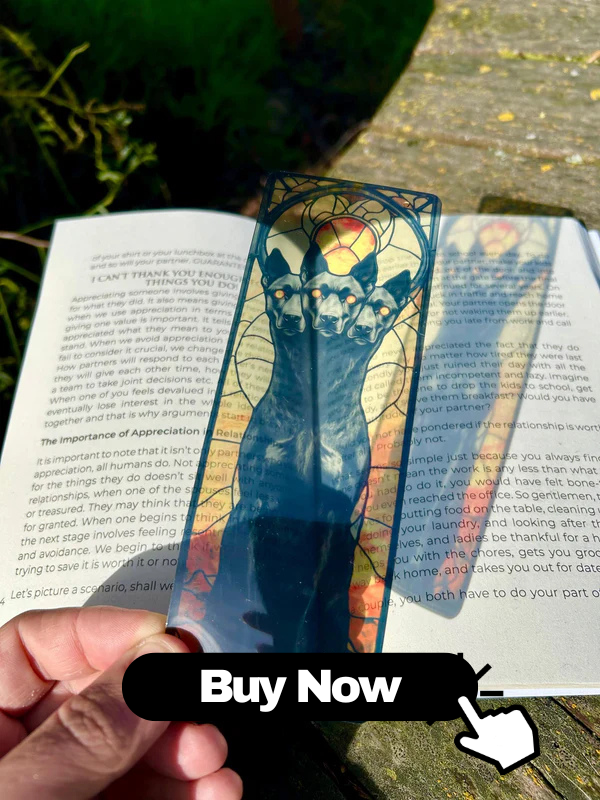
- Lightly sketch the text in pencil to position it correctly.
- Use brush pens, calligraphy pens, or fine liners to trace the final lettering.
- Allow ink to dry fully to avoid smudging.
- Optional: Add shadows or highlights to make the text pop.
Step 7: Add Embellishments
Embellishments should be eye-catching but not too bulky, to avoid damaging book pages.
- Attach ribbons, tassels, or charms through a punched hole at the top.
- Glue on flat sequins, small gems, or washi tape for extra sparkle.
- Use heat embossing powder to create raised, glossy designs.
Step 8: Seal and Protect the Bookmark
This is a crucial step for durability and professional appearance.
-
Lamination:
- Place the bookmark inside a laminating pouch.
- Run it through a laminating machine.
- Trim excess plastic, leaving a small sealed border.
-
Spray sealer or varnish (for painted or illustrated bookmarks):
- Apply thin, even coats in a well-ventilated area.
- Allow each coat to dry before adding another.
-
Resin coating (for advanced makers):
- Mix resin according to instructions.
- Pour or brush a thin layer over the surface.
- Cure completely before handling.
Step 9: Finishing the Edges
- Trim any uneven edges or excess laminate.
- Sand lightly (for wood or resin) to smooth sharp edges.
- Check that no glue or resin has spilled onto unwanted areas.
Step 10: Final Inspection
- Check for smudges, loose embellishments, or rough edges.
- Ensure the bookmark fits comfortably between book pages.
- Clean the surface gently to remove dust or fingerprints.
Popular Bookmark-Making Techniques
There are many techniques you can combine when crafting handmade bookmarks. Here are some of the most popular methods:
1. Watercolor Bookmarks
- Use watercolor washes or gradients as a background.
- Add ink line art, florals, or simple landscapes on top.
- Seal with clear spray to protect the pigment.
2. Calligraphy and Hand-Lettered Bookmarks
- Feature inspirational quotes or book-related sayings.
- Use brush lettering, modern calligraphy, or gothic scripts.
- Combine with simple borders or flourishes for elegance.
3. Collage and Mixed Media Bookmarks
- Layer book pages, maps, washi tape, and scrapbook paper.
- Add small photos, tickets, or ephemera for a vintage look.
- Finish with a protective laminate or sealer.
4. Fabric and Sewn Bookmarks
- Cut two fabric pieces in bookmark shape and sew around the edges.
- Insert interfacing inside to add structure.
- Decorate with embroidery, appliqué, or small buttons (place away from page contact).
5. Leather Bookmarks
- Cut a strip of leather to the desired size.
- Engrave, stamp, or burn designs using leather tools.
- Punch a hole for a leather cord or tassel.
6. Resin Bookmarks
- Use silicone bookmark molds.
- Mix resin and embed dried flowers, glitter, or foil.
- Demold after curing and sand edges if needed.
Adding Embellishments and Decorative Details
Embellishments make handmade bookmarks visually striking. However, they must be chosen carefully to avoid bulk.
Popular Embellishment Options
- Tassels and ribbons
- Charms and beads
- Eyelets to reinforce punched holes
- Foil accents created with foil sheets or pens
- Glitter or metallic paint for shimmer and shine
Best Practices
- Keep embellishments mostly above the top edge of the bookmark.
- Avoid thick, sharp, or heavy items that could dent pages.
- Test how the bookmark sits in a book before finalizing embellishments.
Finishing, Sealing, and Protecting Your Bookmark
Finishing is one of the most important steps in how handmade bookmarks are crafted from start to finish, because it directly affects longevity.
Why Finishing Matters
- Prevents smudging of ink and paint.
- Protects against moisture and dirt.
- Adds strength to the bookmark structure.
- Gives a professional, polished appearance.
Common Finishing Methods
- Lamination – Ideal for paper bookmarks that need heavy protection.
- Spray varnish – Great for watercolor and acrylic designs.
- Mod Podge or decoupage glue – For collage or mixed media, applied in thin coats.
- Leather conditioner – For leather bookmarks to keep them supple.
Quality Control and Final Touches
Before you gift or sell your handmade bookmark, check these key points:
- Alignment: Text and designs should be straight and centered.
- Edges: Smooth, even, with no jagged cuts.
- Durability: Test by bending slightly; it should not crack or crease easily.
- Surface: No sticky glue spots or rough patches.
- Function: Place it in a book to ensure it sits flat and comfortable.
Packaging Handmade Bookmarks for Gifts or Sale
Thoughtful packaging can enhance the perceived value of your bookmark and protect it during shipping.
Packaging Ideas
- Cellophane sleeves with a backing card.
- Kraft paper envelopes or mini gift bags.
- Custom backing cards printed with your logo or a thank-you note.
- Ribbon or twine tied around the bookmark.
Information to Include
- Handmade care instructions.
- Material details (e.g., “laminated cardstock,” “genuine leather,” “epoxy resin”).
- Brand name, website, or social media handle if you sell online.
How to Care for Handmade Bookmarks
Proper care extends the lifetime of your handmade bookmark.
- Keep bookmarks away from water, extreme heat, and direct sunlight.
- Avoid bending or folding the bookmark excessively.
- Store flat when not in use, especially resin and wooden bookmarks.
- Wipe gently with a soft, dry cloth to remove dust or fingerprints.
Common Mistakes to Avoid When Crafting Bookmarks
Recognizing common mistakes will help you improve your handmade bookmark crafting process.
- Using thin, flimsy paper that bends or tears easily.
- Adding bulky decorations that warp book pages.
- Skipping the sealing step, leading to smudging and wear.
- Cutting uneven edges or forgetting to measure properly.
- Rushing drying times, which can cause wrinkles, bubbles, or smears.
Creative Bookmark Ideas and Themes
Looking for inspiration? Here are creative themes you can explore when crafting DIY handmade bookmarks:
- Literary quotes from classic novels or favorite authors.
- Seasonal bookmarks – spring florals, summer beach scenes, autumn leaves, winter snowflakes.
- Galaxy and space – nebulae, stars, constellations, planets.
- Botanical bookmarks – pressed flowers, leaves, watercolor botanicals.
- Minimalist monochrome – black-and-white patterns or typography.
- Children’s bookmarks – animals, cartoon characters, bright colors.
- Hobby-themed bookmarks – music notes, baking icons, travel maps.
Tips for Selling Handmade Bookmarks Online
If you want to turn your handmade bookmark crafting into a small business, consider the following:
1. Product Photography
- Use natural light and a clean, neutral background.
- Show the bookmark both alone and in a book.
- Include close-ups to highlight texture and details.
2. SEO-Friendly Product Descriptions
When listing bookmarks online, integrate relevant SEO keywords naturally, such as:
- “handmade bookmarks”
- “custom bookmarks for book lovers”
- “watercolor bookmark with quote”
- “personalized leather bookmark gift”
Describe:
- Materials used
- Size and thickness
- Care instructions
- Customization options (names, colors, quotes)
3. Pricing and Bundles
- Calculate costs: materials, time, packaging, and fees.
- Offer bookmark sets or collections at a slight discount.
- Create themed bundles (e.g., “fantasy reader set,” “botanical trio”).
4. Branding
- Use a consistent style or signature element so customers recognize your work.
- Add a small logo or brand name on the back of the bookmark (if it doesn’t distract from the design).
Conclusion
Understanding how handmade bookmarks are crafted from start to finish reveals just how much creativity and care goes into these small but meaningful accessories. From planning a design and selecting durable materials to adding artwork, embellishments, and a protective finish, every step plays a role in creating a bookmark that is both beautiful and functional.
Whether you’re crafting bookmarks as a relaxing hobby, making personalized gifts for fellow readers, or building a small handmade business, the techniques and tips in this guide will help you design and produce high-quality, long-lasting handmade bookmarks. With practice, experimentation, and attention to detail, your bookmarks can become cherished companions for book lovers around the world.