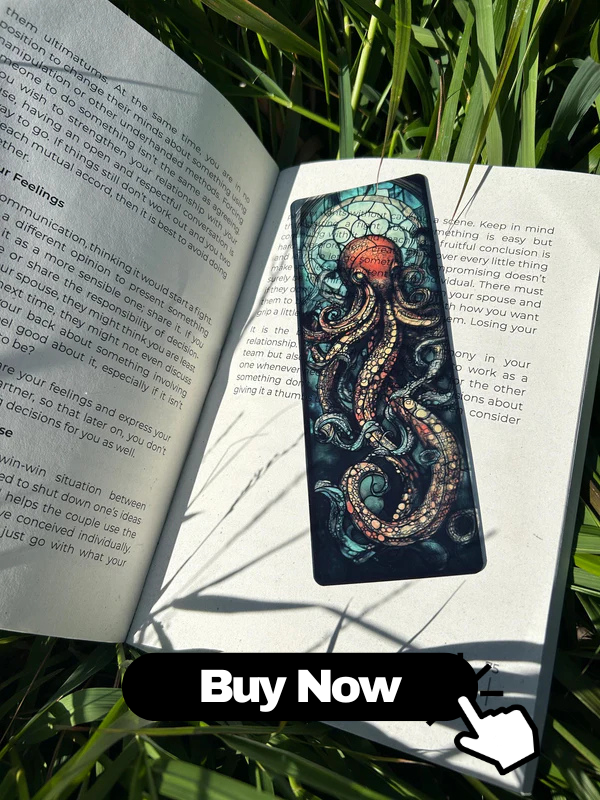
Transparent bookmarks have become a popular choice among readers, students, collectors, and archivists who want to mark pages without obscuring text or damaging paper. However, not all clear bookmarks are created equal. Some materials can yellow, off-gas, or even chemically damage your books over time. This comprehensive guide explains how to choose transparent bookmarks that are safe for long-term use, which materials to avoid, how to care for them, and how to ensure they are truly archival and book-friendly.
What Are Transparent Bookmarks?
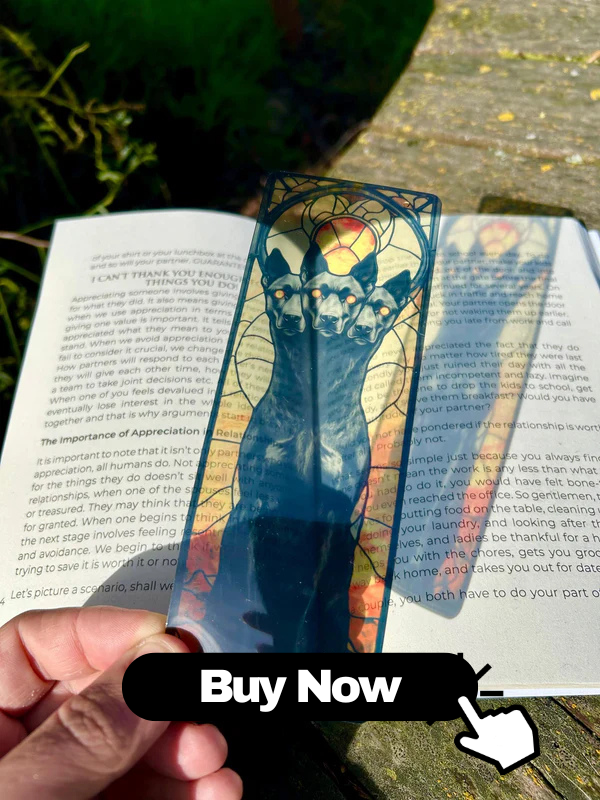
Transparent bookmarks are page markers made from clear or semi-clear materials such as plastic films, synthetic papers, or glass-like polymers. Unlike traditional paper or metal bookmarks, they allow you to see the underlying text and illustrations through the bookmark itself.
They are especially popular among:
- Students who highlight or annotate text and want to keep notes visible while marking their place.
- Researchers who need to track multiple reference sections without covering content.
- Book collectors who prefer a low-visibility, non-bulky marker.
- Bullet journalers and planners using see-through tabs for indexing.
- Gift shoppers seeking aesthetically pleasing, modern-looking bookmarks.
However, the key question is: are transparent bookmarks safe for long-term use in books? The answer depends almost entirely on the materials and finishing processes used.
Why Material Matters for Long-Term Use
Books, especially older or collectible volumes, are vulnerable to damage from the materials placed inside them. Transparent bookmarks can cause problems if they:
- Release chemicals (plasticizers, acids, dyes) that migrate into paper fibers.
- Stick to the paper surface under pressure, humidity, or heat.
- Warp or curl, placing stress on the book’s spine or pages.
- Discolor the contact area of the paper, leaving permanent marks.
For long-term and archival-safe use, your transparent bookmarks should be:
- Acid-free – so they do not accelerate paper degradation.
- Non-PVC – free from plastics that off-gas or become sticky.
- Stable and non-yellowing – to avoid discoloring themselves and the book.
- Chemically inert – no migration of dyes, inks, or additives to the paper.
This is why understanding the differences among transparent bookmark materials is essential for anyone who cares about preserving their books.
Best Materials for Transparent Bookmarks (Long-Term Safe)
Several transparent or semi-transparent materials are generally recognized as safe for long-term contact with paper, when properly manufactured.
1. PET (Polyethylene Terephthalate) – “Polyester Film”
PET, often sold under names like Mylar-type film or polyester film, is widely used for archival sleeves and book covers because it is:
- Dimensionally stable – resists warping, shrinking, or stretching.
- Chemically inert – does not contain plasticizers that migrate.
- Non-yellowing – remains clear over long periods.
- Durable – resists tearing and scratching.
For transparent bookmarks, PET in 0.2–0.5 mm thickness is commonly used. It is thick enough to handle comfortably but thin enough not to distort the book.
2. Polypropylene (PP)
Polypropylene is another popular choice for clear bookmarks and page markers because it is:
- Acid-free and safe for paper contact when uncoated.
- Lightweight and flexible, with a smooth surface.
- Resistant to moisture, making it ideal for everyday use.
Clear PP bookmarks are often slightly less crystal-clear than PET (a bit more “frosted”), but they are a solid option for long-term book-safe transparent bookmarks.
3. Polycarbonate (PC) – For Premium Transparent Bookmarks
Polycarbonate is a tough, glass-like plastic sometimes used in premium transparent bookmark designs:
- High clarity and glass-like transparency.
- Exceptional durability – resists cracking and impact.
When uncoated and dye-stable, polycarbonate can be safe. However, it’s more likely to be used in higher-end products, so verify that any printing inks are also non-migrating and non-acidic.
4. Synthetic Paper (e.g., Yupo-type, Stone Paper Blends)
Some “transparent” or translucent bookmarks are made from synthetic paper. These are often:
- Waterproof and tear-resistant.
- Acid-free and designed to mimic archival paper.
- Available in frosted or semi-transparent finishes.
Look for synthetic paper products labeled as:
- Acid-free
- Lignin-free
- Archival quality or “archivally safe”
5. Laminated Transparent Bookmarks (With Caution)
Laminated bookmarks (paper sealed in clear plastic film) can also be safe for long-term use if:
- The laminating film is PET or polypropylene, not PVC.
- The paper inside is acid-free or buffered.
- The edges are smooth and fully sealed to avoid rough edges.
For long-term contact with valuable books, laminates should be thin and flexible to minimize pressure on the binding.
Transparent Bookmark Materials to Avoid
Some transparent materials look appealing but are not ideal for long-term use inside books. They can damage paper, yellow over time, or become sticky.
1. PVC (Polyvinyl Chloride)
PVC is commonly used in cheap plastic sleeves, card holders, and some bookmarks. It is generally not recommended for prolonged contact with paper because it:
- Contains plasticizers that can migrate into adjacent materials.
- Can off-gas hydrochloric acid and other chemicals over time.
- Tends to yellow and become brittle or sticky.
If a transparent bookmark is labeled only as “vinyl” or “soft plastic” and not clearly “PVC-free,” treat it with caution for long-term storage in books, especially collectibles, rare editions, or archival materials.
2. Low-Quality Unknown Plastics
Unbranded or extremely cheap transparent bookmarks may be made from mixed or recycled plastics with unknown compositions. Risks include:
- Inconsistent clarity and rapid yellowing.
- Residual solvents or additives that can interact with ink and paper.
- Poor heat resistance, leading to warping in warm environments.
For everyday novels you do not plan to keep long-term, this may be less critical. But for long-term preservation and safe use, choose bookmarks with clearly labeled materials and archival-friendly specifications.
3. Bookmarks with Sticky or Adhesive Areas
Some transparent bookmarks double as sticky tabs or have adhesive strips to anchor them on the page. These are useful for note-taking but risky for long-term use:
- Adhesives can pull fibers from the paper when removed.
- Residue can attract dust and damage the surface.
- Over time, adhesives may stain or embrittle the paper.
Reserve sticky transparent markers for temporary use and avoid leaving them in books that you care about preserving.
How to Identify Transparent Bookmarks That Are Safe
When shopping for clear or transparent bookmarks, you can use the following checklist to ensure they are safe for long-term use:
1. Check Product Descriptions and Labels
- Look for specific mentions of PET, polyester, polypropylene (PP), or archival-safe plastics.
- Seek keywords like:
- Acid-free
- Lignin-free
- PVC-free
- Archival quality
- Non-yellowing
- Avoid products that only say “plastic” or “vinyl” with no material details.
2. Ask the Manufacturer or Seller
- If you’re buying from a small maker or a craft marketplace, send a quick message:
- “Are your transparent bookmarks made from PVC-free, acid-free materials?”
- “What exact plastic or film do you use?”
- Responsible sellers should be able to answer these questions clearly.
3. Do a Simple Home Test (For Non-Collectible Books Only)
If you already own a transparent bookmark of unknown origin, you can:
- Place it in a cheap, modern book on a less important page for several weeks.
- Keep the book in a typical environment (not extreme heat or humidity).
- After a few weeks, check for:
- Any stickiness between bookmark and page.
- Impressions, scratching, or indentation on the page.
- Color transfer or shiny patches on the paper.
If any issues appear, do not use that bookmark in valuable or archival books.
Design Features of Book-Safe Transparent Bookmarks
Material is crucial, but design details also affect the long-term safety of transparent bookmarks.
1. Thickness and Flexibility
- Ideal thickness: approximately 0.2–0.5 mm for PET/PP.
- Too thick:
- Can put pressure on the binding.
- May distort pages when the book is closed.
- Too thin:
- Can crease easily and form sharp edges.
- Might slide out too easily.
2. Edge Finishing
- Look for smooth, rounded edges rather than sharp corners.
- Rounded corners:
- Reduce the risk of tearing or denting page edges.
- Are more comfortable to handle.
- Avoid laser-cut pieces with rough or melted edges that can scratch paper.
3. Surface Texture
-
Matte or lightly frosted surfaces:
- Reduce glare and fingerprints.
- Generally slide between pages smoothly.
-
High-gloss surfaces:
- Look very clear, but can be slippery or sometimes stick slightly in humid conditions.
4. Printing and Decoration
- Choose bookmarks with non-toxic, stable inks that will not flake or transfer.
- UV-cured or screen-printed designs on PET/PP tend to be robust.
- Avoid decorations that add:
- Excessive thickness (e.g., heavy gems, thick resin layers).
- Metallic elements that may dent pages if the book is squeezed.
How to Use Transparent Bookmarks Safely
Even the best materials can cause problems if bookmarks are used incorrectly. To protect your books:
1. Insert Bookmarks Gently
- Slide the bookmark in parallel to the page, not at an angle.
- Avoid forcing a rigid bookmark into tightly bound sections.
- Never use a bookmark that is wider than the page itself, as it can distort the cover.
2. Avoid Using Them as Tools
- Do not use transparent bookmarks as:
- Letter openers
- Rulers for heavy scoring
- Scrapers
- Misusing them can create rough or chipped edges that harm your books.
3. Limit Pressure on the Book
- If you store a book with a bookmark inside:
- Avoid placing heavy objects on top of it.
- Do not clamp the book tightly in a bag with limited space.
- Excess pressure can:
- Imprint the bookmark outline on the pages.
- Stress the spine and binding.
4. Do Not Leave Bookmarks in Rare Books Indefinitely
- For rare, antique, or archival books, even the safest bookmarks should not be left in permanently.
- Use them while working with the book, then store:
- The book separately, flat or upright.
- The bookmark in an archival box or accessory case.
Caring for Both Bookmarks and Books
Proper care maximizes the longevity of both your transparent bookmarks and your library.
1. Cleaning Transparent Bookmarks
- Use a soft, lint-free cloth to wipe dust and fingerprints.
- If needed, dampen the cloth slightly with:
- Distilled water or
- Mild, diluted soap solution (test first).
-
Avoid harsh chemicals like acetone, strong alcohol, or glass cleaners that may:
- Cloud the plastic.
- Damage printed designs.
2. Storage Recommendations
- Store transparent bookmarks:
- Flat in a small box or envelope.
- Away from direct sunlight to prevent fading or warping.
- In a cool, dry place away from extreme temperatures.
- Do not store them:
- Leaning or bent in a cup or jar for long periods (risk of permanent warping).
- Tightly wrapped with rubber bands, which can cut into edges.
3. Handling Around Food and Drink
- Transparent bookmarks can be wiped clean, but your books may not.
- Keep drinks, oils, and foods away from:
- Open books
- Bookmarks that will go between pages
- Residues can transfer from bookmark to paper and cause permanent stains.
Transparent Bookmarks vs. Other Bookmark Types
To understand the strengths of transparent bookmarks safe for long-term use, it helps to compare them with other common bookmark styles.
1. Traditional Paper Bookmarks
-
Pros:
- Lightweight and inexpensive.
- Can be made from acid-free, archival paper.
-
Cons:
- Not transparent – they hide text and images beneath.
- Can bend or tear more easily.
2. Metal Bookmarks
-
Pros:
- Very durable and often elegant.
-
Cons:
- Can be heavy, putting stress on pages.
- Sharp edges can scratch or dent paper.
- Not transparent; may obscure content.
3. Magnetic Bookmarks
-
Pros:
- Stay securely in place.
- Compact and practical.
-
Cons:
- Can leave impressions on thin paper.
- Magnets add bulk and pressure to pages.
- Usually not transparent.
4. Transparent Bookmarks
-
Pros:
- Do not hide underlying text or illustrations.
- Lightweight and low-profile when made from PET/PP.
- Potentially archival-safe when acid-free and PVC-free.
-
Cons:
- Quality varies widely based on material.
- Cheap plastics may yellow or become sticky.
For readers who value visibility, aesthetics, and long-term book care, high-quality transparent bookmarks offer an excellent balance of function and preservation.
For Collectors & Archivists: Archival-Quality Transparent Bookmarks
If you work with rare books, family heirlooms, or special collections, your bookmark standards should be even higher.
1. Use Only Proven Archival Materials
- Favor PET polyester film marketed specifically for archival use.
- Check if the material is:
- Certified or tested according to conservation standards (e.g., passes Oddy tests).
- Used for museum-grade sleeves or encapsulations.
2. Consider Non-Intrusive Page Marking
- For very delicate items, avoid placing anything between the pages for extended periods.
- Alternative methods:
- Use a transparent bookmark only while reading, remove afterward.
- Mark locations in a reading log or reference sheet instead.
- Use archival paper flags in the gutter margin with minimal contact.
3. Documentation for Future Users
- If you are part of a library or archive:
- Document which bookmark materials are allowed.
- Train staff and users on safe bookmark use policies.
- Clear guidelines help ensure that even high-quality transparent bookmarks are used responsibly.
FAQ: Transparent Bookmarks & Long-Term Safety
Are all transparent bookmarks safe for long-term use?
No. Only bookmarks made from book-safe, acid-free, PVC-free materials such as PET or polypropylene are recommended for long-term contact with paper. Cheap vinyl or unknown plastics may yellow, off-gas, or damage pages.
How do I know if a transparent bookmark is PVC-free?
Check the packaging or product description for phrases like “PVC-free” or specific materials like PET or PP. If in doubt, ask the seller or manufacturer directly.
Can transparent bookmarks damage old or fragile books?
They can, if they are too thick, made from unstable plastics, or used carelessly. For very old or fragile books, even safe transparent bookmarks should be used temporarily and removed after reading.
Do printed designs on clear bookmarks affect safety?
They can if low-quality inks or coatings are used. Look for designs printed with non-toxic, stable inks and avoid bookmarks where the print feels tacky or flakes off easily.
Are transparent sticky tabs safe for long-term use?
Transparent sticky tabs are best for short-term reference or studying. Their adhesives can eventually stain or damage paper, so avoid leaving them in valuable books for extended periods.
Conclusion: Choosing Transparent Bookmarks That Last
Choosing the right transparent bookmarks that are safe for long-term use is about more than just aesthetics. By paying attention to material type, manufacturing quality, and proper usage, you can enjoy the clarity and elegance of see-through bookmarks without compromising your books.
- Prioritize PET (polyester), polypropylene, or archival-quality synthetic papers.
- Look for acid-free, PVC-free, non-yellowing labels and clear material information.
- Favor bookmarks with smooth, rounded edges and appropriate thickness.
- Use them gently and temporarily in rare or fragile books.
- Store bookmarks flat, clean, and away from heat or direct sunlight.
By following these guidelines, you can confidently build a collection of durable, archival-safe transparent bookmarks that protect your pages, preserve your favorite books, and enhance your reading experience for years to come.