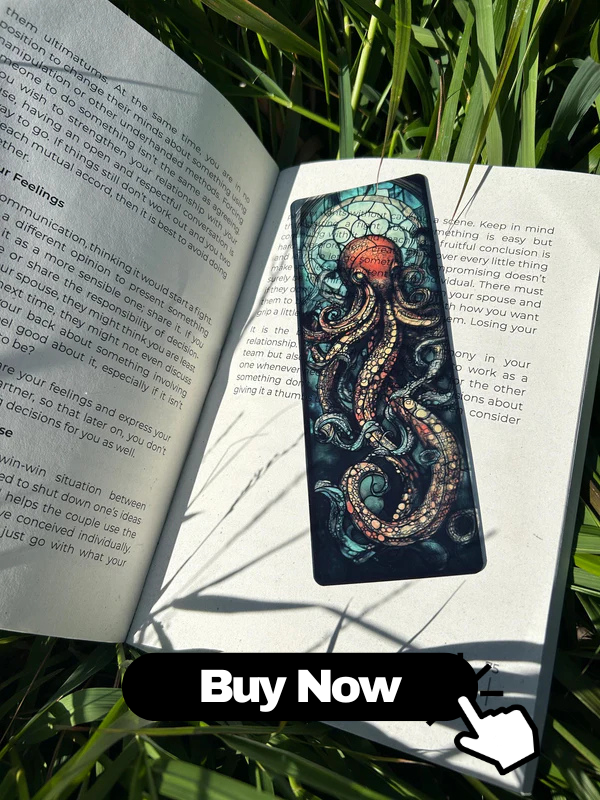
Choosing between thin bookmarks and thick bookmarks can dramatically change how you experience reading, collect stationery, or promote your brand. This detailed guide explains everything you need to know about thin vs thick bookmarks: durability, materials, printing options, usability, and which type is best for different readers, books, and purposes. Whether you are a casual reader, book collector, librarian, teacher, designer, or business owner planning custom bookmarks, this article will help you make an informed decision.
What Are Thin and Thick Bookmarks?
In bookmark design and printing, the main difference between thin and thick bookmarks is their material thickness. Thickness is commonly measured in:
- GSM (grams per square meter) for paper-based bookmarks
- Microns or millimeters for plastics and laminates
While there is no single global standard, most professionals use these practical ranges:
-
Thin bookmarks:
- Generally in the range of 80–200 gsm for paper
- Often flexible, lightweight, and close to the thickness of common pages or slightly thicker
- Can include thin plastic or laminated paper that doesn’t significantly add bulk
-
Thick bookmarks:
- Usually 250–400+ gsm (similar to postcards, business cards, or small cards)
- Often rigid and sturdy, with a noticeable solid feel
- May also include wood, metal, or acrylic bookmarks, which are thicker and more durable
In essence, thin bookmarks prioritize flexibility and low bulk, while thick bookmarks prioritize durability and a premium, substantial feel.
Why Bookmark Thickness Matters
The thickness of a bookmark is more than a cosmetic detail; it affects:
- Reading comfort – how your book closes and how the spine responds
- Durability – how long the bookmark lasts without tearing or bending
- Appearance – whether it looks like a collectible, a promotional piece, or a simple placeholder
- Portability – how easily you can carry multiple bookmarks or keep them inside a book without bulk
- Brand perception – for custom printed bookmarks, thickness influences how “premium” your brand feels
When comparing thin bookmarks vs thick bookmarks, consider:
- The type of books you read (paperbacks, hardcovers, textbooks, journals).
- Your reading habits (do you use multiple bookmarks at once, annotate, travel with books?).
- Your budget (thicker materials often cost more, especially at higher quantities).
- Your purpose (functional, decorative, collectible, or promotional).
Materials Used for Thin and Thick Bookmarks
Bookmark material strongly influences perceived thickness. The following are common bookmark materials, often optimized differently for thin and thick styles.
Common Materials for Thin Bookmarks
-
Standard paper (80–120 gsm):
- Similar to regular printer or book paper
- Very flexible and affordable
- Ideal for mass distribution (libraries, schools, events)
-
Light cardstock (150–200 gsm):
- Thicker than typical pages but still categorized as “thin” in feel
- More durable than regular paper while remaining very lightweight
- Great for daily-use bookmarks
-
Thin plastic or polypropylene:
- Flexible, water-resistant, and slightly translucent options available
- Useful where longevity is needed without bulk
-
Laminated paper:
- Thin paper or cardstock with a light lamination layer
- Enhances durability while remaining relatively slim
Common Materials for Thick Bookmarks
-
Heavy cardstock (250–400+ gsm):
- Rigid, durable, and feels substantial in the hand
- Often used for premium printed bookmarks
-
Wood (thin wooden strips or veneers):
- Natural, tactile, and visually unique
- Perceived as handcrafted or artisanal
-
Metal (stainless steel, brass, aluminum):
- Very durable and slim but still feels thick and rigid compared to paper
- Often used for collectible or gift bookmarks
-
Acrylic or plastic:
- Clear or colored acrylic gives a modern, glossy look
- Strong, thick, and resistant to bending and tearing
When evaluating thin vs thick bookmark materials, remember that a plastic bookmark might be thin yet more durable than a thicker paper bookmark, so both material type and thickness matter.
Standard Thickness, Sizes, and Measurements
While there’s flexibility in bookmark design, some common standards help distinguish thin bookmarks from thick ones in printing and manufacturing.
Typical Thickness Ranges
-
Thin paper-based bookmarks:
- 80–200 gsm (approx. 0.07–0.25 mm depending on paper type)
- Comparable to flyers, magazine pages, and thin cards
-
Thick paper-based bookmarks:
- 250–400+ gsm (approx. 0.3–0.5+ mm)
- Similar to business cards, invitations, postcards
-
Plastic and specialty materials:
- 0.3–1 mm or more, depending on design
- Metal bookmarks might be very thin yet feel rigid and substantial
Standard Bookmark Sizes
Thickness is separate from length and width, but size affects how thickness feels. Common bookmark dimensions include:
- Standard bookmark size: approx. 2" x 6" (5 x 15 cm)
- Slim bookmarks: 1.25" x 6" (3 x 15 cm)
- Oversized bookmarks: 2.5" x 7" or larger
As a general rule:
- Narrower bookmarks feel less bulky, even when thick.
- Wider, larger bookmarks feel more prominent, especially when combined with thick material.
Advantages of Thin Bookmarks
Thin bookmarks are popular for both everyday reading and large-scale distribution because they offer several practical benefits.
-
1. Minimal bulk inside the book
- Thin bookmarks don’t significantly “push” pages apart.
- They help the book close more naturally and can be more comfortable for paperback books or older volumes with fragile spines.
-
2. Ideal for multiple bookmarks per book
- If you mark several sections for study, research, or reference, thin bookmarks are less intrusive.
- Perfect for students, researchers, and annotators.
-
3. Lightweight and portable
- Easier to carry in a pencil case, planner, or notebook pocket.
- Suitable for traveling readers who want to avoid extra weight.
-
4. Cost-effective for bulk printing
- Uses less material, often resulting in lower printing costs.
- Best choice for libraries, schools, book fairs, events, and marketing campaigns with large quantities.
-
5. Easier to integrate with book design
- Thin bookmarks visually “disappear” into the pages when the book is closed.
- They can be matched to the style of lighter, thinner books like paperbacks and small journals.
-
6. Flexible and less likely to crack
- Thin laminated bookmarks can bend slightly without breaking.
- Flexibility is an advantage for readers who handle their books roughly or carry them in bags.
Disadvantages of Thin Bookmarks
Thin bookmarks are not perfect for every situation. Here are some limitations to consider.
-
1. Lower durability
- Thin paper bookmarks often tear, crease, or wrinkle easily.
- Frequent use can quickly show wear, especially at the edges and corners.
-
2. Less premium feel
- Thin paper can feel cheap or temporary compared to thick cardstock, metal, or wood.
- Not always ideal for gifts, collector’s editions, or premium branded bookmarks.
-
3. Can be easy to misplace
- Very thin bookmarks sometimes slip deeper into the book or fall out more easily.
- They can be mistaken for regular pages, especially if not brightly colored.
-
4. Limited decorative options
- Heavy embellishments (like metal charms or thick tassels) can overwhelm thin bases.
- Less suitable for intricate cut-outs or complex die-cuts without reinforcement.
Advantages of Thick Bookmarks
Thick bookmarks are often chosen when durability, presentation, and premium quality are priorities.
-
1. Strong durability and long lifespan
- Thicker cardstock, metal, wood, or acrylic withstand years of use.
- Edges are less likely to fray, and the bookmark maintains its shape even in bags or backpacks.
-
2. Premium, collectible feel
- Thick bookmarks feel substantial and high-quality in the hand.
- Ideal for gift sets, special editions, and collector’s bookmarks.
-
3. Better for complex finishes
- Works well with:
- Foil stamping (gold, silver, holographic)
- Embossing or debossing
- Spot UV and textured coatings
- Die-cut shapes (cut-out silhouettes, custom outlines)
- These finishes enhance visual impact and brand identity.
- Works well with:
-
4. Highly visible in the book
- The thicker edge stands out, making it easy to locate your page quickly.
- Good for busy environments like schools and offices where you need a visible bookmark.
-
5. More stable for add-ons
- Handles:
- Tassels
- Charms
- Ribbons
- Magnets or clips
- These decorative elements are less likely to damage or bend a thick base.
- Handles:
Disadvantages of Thick Bookmarks
Even though thick bookmarks are sturdy and attractive, they are not ideal in every situation.
-
1. Added bulk inside the book
- Thick bookmarks can strain the spine if the book is tightly bound.
- Using several thick bookmarks in the same book may cause noticeable bulging.
-
2. Higher cost per piece
- More material and complex printing increase the production cost.
- Not always practical for large promotional campaigns with small budgets.
-
3. Heavier to carry in bulk
- Boxes of thick bookmarks weigh more and cost more to ship.
- Less convenient if you need to distribute thousands at events.
-
4. Not ideal for very thin or fragile books
- Thin paperback novels or old books with delicate bindings might be damaged by overly thick bookmarks.
- Can leave marks or cause slight indentations over time.
Thin vs Thick Bookmarks for Different Users
The right bookmark thickness depends heavily on who uses it and how. Below are tailored recommendations.
For Casual Readers
- Best choice: Light cardstock thin bookmarks (150–200 gsm)
-
Why:
- Thin enough to avoid damaging paperbacks
- Durable enough for daily use
For Students and Researchers
- Best choice: Very thin paper or laminated thin bookmarks
-
Why:
- Multiple bookmarks per book for notes and references
- Lightweight for carrying in backpacks with many textbooks
For Book Collectors and Gift-Givers
- Best choice: Thick bookmarks (heavy cardstock, metal, or wood)
-
Why:
- Premium feel matches special or luxury editions
- Works well as a gift item or collector’s piece
For Libraries, Schools, and Nonprofits
- Best choice: Thin, cost-effective bookmarks (80–150 gsm, possibly laminated)
-
Why:
- Affordable for bulk printing and free distribution
- Easy to include reading tips, literacy messages, or contact info
For Businesses and Brands
-
Best choice: Depends on campaign:
- Budget-friendly promotions: thin bookmarks
- Premium branding or VIP gifts: thick bookmarks with special finishes
Design and Printing Considerations
When designing bookmarks, thickness affects what is visually and technically possible.

Design Tips for Thin Bookmarks
-
Use simple, clear typography:
- Thin bookmarks look best with legible fonts and not too many small details.
-
Consider lamination for durability:
- A light gloss or matte lamination can protect against smudges and tears.
-
Keep margins generous:
- Avoid putting critical text or artwork too close to edges that might fray.
-
Optimize for lightness:
- Choose lighter backgrounds and minimal ink coverage to reduce warping from moisture.
Design Tips for Thick Bookmarks
-
Leverage premium finishes:
- Consider foiling, embossing, spot UV, or textured coatings to emphasize thickness.
-
Experiment with shapes:
- Die-cut shapes, rounded corners, and cut-out windows work well on thicker materials.
-
Use both sides effectively:
- Front: artwork, quote, or main branding.
- Back: reading tips, a brief message, or a call-to-action for businesses.
-
Plan for add-ons:
- If you’ll add tassels or charms, design a reinforced punch hole and leave space.
Thin vs Thick Bookmarks for Marketing and Branding
Bookmarks are a powerful print marketing tool. Thickness plays a key role in how your brand is perceived.
When to Use Thin Bookmarks for Marketing
-
Mass events:
- Book fairs, conventions, school visits, literacy campaigns.
-
Giveaways with limited budget:
- Thin bookmarks keep costs low while acting as miniature advertisements.
-
Informational bookmarks:
- Include reading lists, library rules, contact info, or website URLs.
When to Use Thick Bookmarks for Marketing
-
Premium clients or VIP programs:
- Gift a thick, beautifully designed bookmark as part of a welcome pack.
-
Book launches and special editions:
- Pair thick bookmarks with hardcover releases or limited-run titles.
-
Brand-building campaigns:
- A thick bookmark can act as a long-lasting brand reminder in readers’ favorite books.
From an SEO and branding point of view, both thin bookmarks and thick bookmarks can act as book marketing tools that keep your brand visible each time a reader opens their book.
Eco-Friendly Considerations
Sustainability is increasingly important for bookmark producers and users. Thickness has environmental implications.
-
Thin bookmarks:
- Use less material per piece, potentially reducing resource consumption.
- When made from recycled paper, they can be an eco-conscious choice.
-
Thick bookmarks:
- Often last much longer, reducing the need for frequent replacement.
- When made from sustainable wood, bamboo, or recycled cardstock, they can also be environmentally friendly.
Eco-friendly bookmark tips:
- Choose FSC-certified paper or recycled cardstock.
- Avoid excessive plastic lamination if recyclability is a priority.
- Consider durable thick bookmarks that serve as long-term keepsakes rather than disposable items.
How to Choose the Right Bookmark Thickness (Step-by-Step)
Use this simple process when deciding between thin vs thick bookmarks.
-
Define the primary purpose
- Everyday reading, gifts, promotional items, or collectible bookmarks?
-
Consider the reader and the books
- Paperbacks and thin pages: lean toward thinner bookmarks.
- Hardcovers and coffee-table books: thicker bookmarks often work well.
-
Set your budget
- Large quantities and tight budgets: choose thin bookmarks.
- Smaller runs or premium gifts: invest in thick bookmarks.
-
Decide on design complexity
- If you need foiling, embossing, or complex die-cuts, thick cardstock is usually required.
-
Evaluate durability needs
- Short-term or single-event use: thin is generally enough.
- Long-term daily use or collector’s items: thick is better.
-
Think about sustainability
- Use recycled materials regardless of thickness whenever possible.
Care and Maintenance of Thin and Thick Bookmarks
With proper care, both thin and thick bookmarks can last longer and stay attractive.
Caring for Thin Bookmarks
-
Store flat:
- Avoid folding or bending them; keep them in a book or a flat container.
-
Protect from moisture:
- Paper bookmarks can warp or stain in humid environments.
-
Use laminates when possible:
- Laminated thin bookmarks resist smudges, sweat, and light spills.
Caring for Thick Bookmarks
-
Avoid excessive pressure:
- Don’t force closed a book over a very thick or rigid bookmark, especially in fragile volumes.
-
Polish metal or acrylic surfaces:
- Use a soft cloth to remove fingerprints or smudges from metal and plastic bookmarks.
-
Store carefully:
- Keep collectible thick bookmarks in sleeves, boxes, or cases to avoid scratches.
FAQ: Thin Bookmarks vs Thick Bookmarks
Are thin bookmarks better for paperbacks?
Usually, yes. Thin bookmarks create less strain on paperback spines and keep the book from bulging. If you use thick bookmarks in a thin paperback, the spine may curve or crease over time.
Do thick bookmarks damage books?
Not necessarily. Thick bookmarks are safe for sturdy hardcovers and well-bound books. Problems typically arise when using very rigid or overly thick bookmarks in delicate or tightly bound paperbacks.
Which is more durable: thin laminated or thick uncoated bookmarks?
Durability depends on material and usage, but often a thin laminated bookmark can outlast a thicker, uncoated paper bookmark because it resists moisture, dirt, and tearing.
What thickness is best for custom printed bookmarks?
Commonly, printers recommend:
- Thin yet durable: 150–200 gsm with lamination
- Premium feel: 300–350 gsm with optional foil or spot UV
Is there a standard “thin” vs “thick” bookmark measurement?
No universal standard exists, but many designers consider:
- Under ~200 gsm as thin
- 250 gsm and above as thick
Conclusion: Which Bookmark Thickness Is Best for You?
When comparing thin bookmarks vs thick bookmarks, the best choice depends on your specific needs:
- Choose thin bookmarks if you:
- Read mainly paperbacks or older books
- Need many bookmarks per book (study, research, annotation)
- Are printing large promotional batches on a budget
- Prefer lightweight, flexible bookmarks that don’t add bulk
- Choose thick bookmarks if you:
- Want a premium, gift-worthy, or collectible bookmark
- Read mostly hardcovers and sturdy editions
- Need a durable bookmark that will last years
- Plan to use special finishes like foiling, embossing, or die-cuts
Ultimately, both thin and thick bookmarks have a place in a reader’s life. Many book lovers keep a mix: thin bookmarks for everyday reading and thick, decorative bookmarks for favorite books and special occasions. By understanding the differences in thickness, materials, durability, and design possibilities, you can choose the perfect bookmark style for your reading habits, aesthetic preferences, or branding strategy.