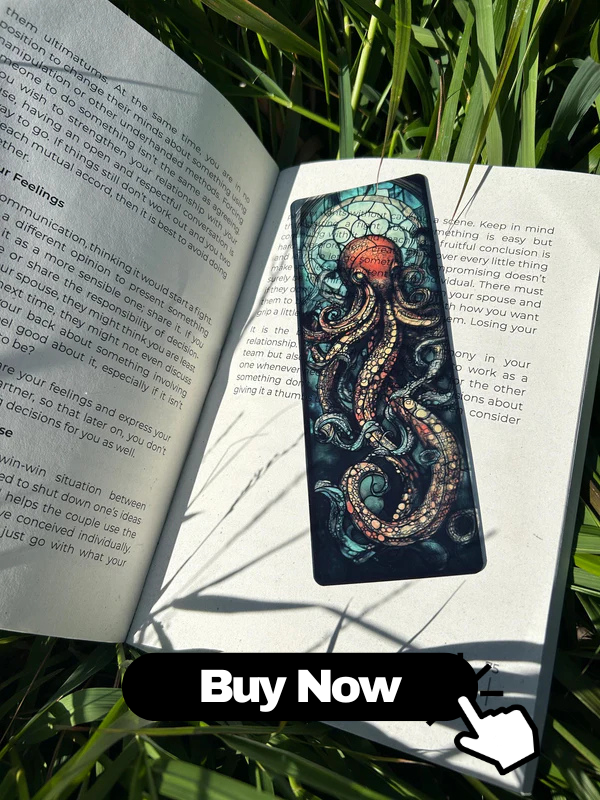
Transparent bookmarks have become a popular choice for readers who want a sleek, modern way to mark their pages without covering text or adding bulk. However, not all transparent bookmarks are created equal—some materials can yellow, crack, or even damage pages over time. This comprehensive guide explains everything you need to know about transparent bookmarks that are safe for long-term use, including materials, preservation tips, and how to choose the best bookmark for your books, planners, and archives.
What Are Transparent Bookmarks?
Transparent bookmarks are page markers made from clear or semi-clear materials such as plastic, acetate, or resin. Unlike traditional paper or fabric bookmarks, these allow you to:
- See the text underneath without fully removing the bookmark
- Reduce visual clutter on the page
- Highlight or frame sections of text in a subtle way
They are popular among:
- Students and researchers who annotate and revisit notes
- Planners and journalers who layer stickers and bookmarks
- Book collectors who want a low-profile, non-damaging marker
The key question for long-term use is: Are these transparent materials safe for books over years or decades? The answer depends heavily on the material and how the bookmark is used and stored.
Benefits of Transparent Bookmarks for Everyday Readers
When chosen well, transparent bookmarks offer several advantages over standard paper or magnetic markers.
Visual and Practical Advantages
- Unobstructed reading: You can keep the bookmark in place and still read the underlying text.
- Minimal distraction: Clear designs blend into the page, especially helpful in textbooks and professional documents.
- Precision marking: Ideal for marking exact lines or paragraphs—particularly useful when studying or referencing.
- Layering in planners: Transparent bookmarks work well in bullet journals and planners because they don’t hide your writing.
Durability and Long-Term Convenience
- Resistant to tearing compared to paper bookmarks.
- Water-resistant so accidental spills are less catastrophic.
- Reusable for years when made from archival-safe materials.
Aesthetic Appeal
- Modern, clean look that suits minimalist and contemporary styles.
- Can incorporate pressed flowers, subtle prints, or metallic foil while still remaining see-through.
- Complements bookshelves, reading corners, and desk aesthetics.
Best Materials for Long-Term Safe Transparent Bookmarks
The material is the most important factor in determining whether a transparent bookmark is safe for long-term use on book pages. Certain plastics and films are more stable and less likely to damage paper over time.
1. Archival-Quality Polyester (e.g., Mylar, Melinex)
Polyester film is widely considered the gold standard for archival-safe transparent bookmarks.
-
Advantages:
- Inert and stable over decades
- Does not off-gas harmful chemicals
- Acid-free and safe for contact with paper
- Resists yellowing and becoming brittle
-
Best for:
- Rare and collectible books
- Archives and libraries
- Long-term research projects
2. Polypropylene (PP)
Polypropylene is another excellent option for transparent bookmarks.
-
Advantages:
- Often acid-free and non-PVC
- Lightweight with good clarity
- Less likely to warp than some low-grade plastics
-
Things to check:
- Look for labels like “archival-safe,” “acid-free,” or “photo-safe”
- Avoid strongly scented or very soft, rubbery PP that may contain additives
3. Polycarbonate (PC)
Polycarbonate is strong and highly transparent, sometimes used in premium bookmark designs.
-
Advantages:
- Crystal-clear transparency
- High impact resistance
- Less prone to cracking than cheap acrylic
-
Considerations:
- Can scratch more easily than some polyester films
- Choose smooth, well-finished edges to avoid page damage
4. Quality Acrylic (PMMA)
Acrylic bookmarks are popular for their glass-like clarity and customizable designs.
-
Advantages:
- Very clear and aesthetically pleasing
- Can be laser-cut into detailed shapes
- Accepts printed designs, foil, or embedded elements
-
Drawbacks:
- Cheaper acrylic can crack, chip, or develop sharp edges
- Some dyes or paints applied to acrylic may not be archival-safe
-
Best practice:
- Use for everyday reading rather than rare or irreplaceable books
5. High-Quality Laminated Bookmarks
Some transparent bookmarks are simply printed designs sealed in lamination pouches.
-
Advantages:
- Easy to make at home
- Water-resistant and durable
- Can incorporate paper art, photos, or pressed flowers
-
Key for safety:
- Use acid-free, archival-safe laminating pouches
- Ensure the inner paper or inclusions are also acid-free
Transparent Bookmark Materials to Avoid
Some clear materials may look appealing but are not suitable for long-term contact with paper. They can yellow, stick to pages, leach chemicals, or leave residue.
1. PVC (Polyvinyl Chloride)
PVC plastic is commonly found in cheap clear products but is not recommended for long-term use with books.
-
Potential issues:
- Releases plasticizers over time that can migrate into pages
- Prone to yellowing and becoming sticky
- Can cause discoloration or ghosting on paper
-
How to identify:
- Often soft, flexible, and has a characteristic odor
- Frequently used in cheap page protectors or vinyl covers
2. Low-Quality Vinyl and Soft Plastics
- May contain unknown additives that can react with inks and paper.
- More likely to warp, bubble, or bond to pages in heat and humidity.
- Not suitable for archival or collector-grade storage.
3. Resin with Unknown Formulations
Handmade epoxy resin bookmarks (often with glitter or flowers) are popular but can be risky.
-
Possible problems:
- Uncured or partially cured resin can be slightly tacky
- May off-gas chemicals while curing
- Some resins can become yellow and brittle with UV exposure
-
Safer usage:
- Use with everyday paperbacks, not rare or archival books
- Ensure the resin is fully cured and well-sanded
Archival Safety: Are Transparent Bookmarks Safe for Valuable Books?
For collectors, librarians, and researchers, the main concern is whether transparent bookmarks are archival-safe and appropriate for long-term book preservation.
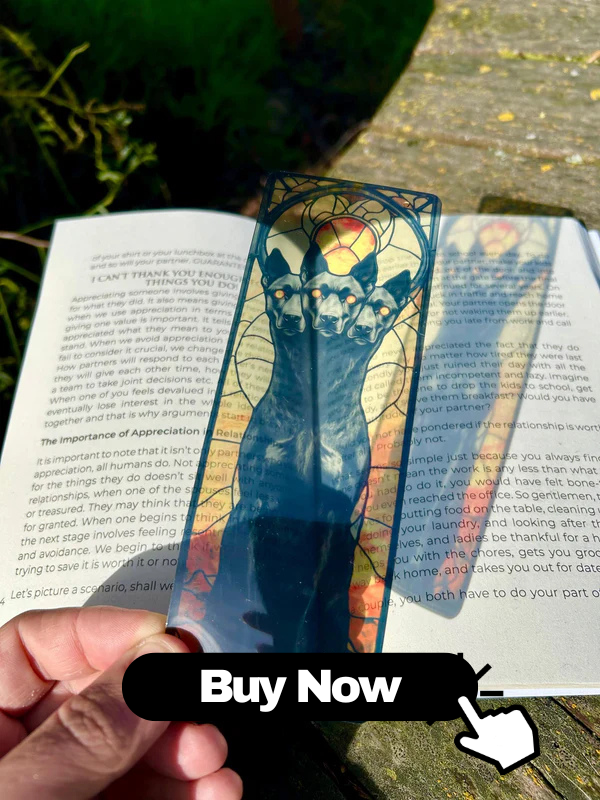
What “Archival-Safe” Means
- Acid-free: Does not introduce acids that can cause paper to become brittle or discolored.
- Inert material: Does not chemically react with inks, pigments, or paper fibers.
- Stable over time: Resist yellowing, cracking, or off-gassing.
Best Practices for Valuable or Fragile Books
- Use polyester (Mylar/Melinex) or manufacturer-certified archival-safe polypropylene.
- Avoid bookmarks that:
- Are thick or heavy (can stress the binding)
- Have sharp corners (can tear or crease pages)
- Include glues, tapes, or adhesives
- Do not leave any bookmark in the same place for years in humid environments; occasional repositioning is safer.
When to Avoid Bookmarks Entirely
For extremely fragile, rare, or valuable items, conservators often prefer:
- Loose archival paper flags or slips placed between pages (not inserted deeply into the text block)
- Documenting references externally rather than placing anything inside the book
Design Features to Look for in Transparent Bookmarks
Beyond material, the design details of a transparent bookmark determine how safe and practical it will be for everyday and long-term use.
1. Thickness
- Ideal thickness: typically between 0.2 mm and 0.6 mm for flexible film-style bookmarks.
- Very thick acrylic or resin pieces may:
- Force the book to stay partly open
- Stress the spine if left in for long periods
2. Edge Finish
- Rounded corners are much safer than sharp 90-degree edges.
- Laser-cut acrylic or resin bookmarks should be smoothly sanded and polished.
- Rough or jagged edges can dent, crease, or even tear thin pages.
3. Surface Texture
- Matte or lightly frosted surfaces can reduce glare and fingerprints.
- Glossy surfaces are very clear but may:
- Show scratches more easily
- Stick slightly to pages in humid climates
4. Printing and Inks
- Choose bookmarks printed with archival or pigment-based inks when possible.
- Avoid:
- Heavy, sticky coatings or varnishes on the side that contacts paper
- Glitter that sheds or transfers
- If the design is printed on one side, it is safer when:
- The printed side faces away from the page surface
- A clear protective layer is applied over the ink
5. Added Elements (Tassels, Charms, and Ribbons)
- Tassels and ribbons are convenient for quick retrieval.
- Ensure:
- The connecting hole is not too close to the edge (to avoid cracking)
- Charms are light and won’t dent the book’s cover when closed
- Avoid metal pieces that may:
- Rust over time
- Scratch covers or page edges
DIY Transparent Bookmarks That Are Safe for Long-Term Use
If you enjoy crafting, you can create your own transparent, long-lasting bookmarks with safe materials.
Option 1: Archival Laminated Bookmarks
-
Choose archival-safe materials:
- Acid-free cardstock or high-quality paper (if you’re adding a background)
- Archival-safe laminating pouches (often labeled “photo-safe”)
-
Optional decorative elements:
- Pressed flowers (completely dried and flattened)
- Acid-free stickers or washi tape
- Printed quotes on archival paper
-
Laminate:
- Arrange elements inside the pouch with enough margin.
- Run through a laminator according to the manufacturer’s instructions.
- Let it cool completely to avoid warping.
-
Trim and finish:
- Round the corners with a corner punch or scissors.
- Punch a hole and add a tassel if desired.
Option 2: Polyester Film Bookmarks (Mylar)
- Obtain archival polyester sheets (Mylar/Melinex) from an art supply or archival vendor.
-
Cut to size:
- Standard bookmark size is around 5 x 15 cm (2 x 6 inches), but you can customize.
- Round the corners using scissors or a corner punch.
- Optional: Use oil-based or archival-safe markers on the edges, not the whole surface, to keep reading clarity.
DIY Safety Tips
- Use acid-free, archival-quality supplies whenever possible.
- Ensure all elements are completely dry before sealing or using.
- Avoid:
- Wet paints, unstable inks, or glue that may seep out
- Chunky elements that create too much bulk in the book
Care, Cleaning, and Storage Tips for Long-Lasting Use
To keep your transparent bookmarks safe for long-term use, a bit of basic care goes a long way.
Cleaning Transparent Bookmarks
-
Gentle wiping:
- Use a soft microfiber cloth to remove dust and fingerprints.
-
Deeper cleaning:
- For plastics like polyester, polypropylene, or acrylic:
- Use a slightly damp cloth with mild soap.
- Dry immediately to prevent water spots.
- For plastics like polyester, polypropylene, or acrylic:
-
Avoid:
- Strong solvents (acetone, alcohol) that can cloud or crack plastics
- Rough sponges that might scratch the surface
Storage When Not in Use
- Keep bookmarks flat in a box, envelope, or drawer.
- Avoid direct sunlight to minimize:
- Yellowing of certain plastics
- Fading of printed designs
- Store away from:
- Excessive heat (radiators, heaters)
- High humidity (basements, bathrooms)
Usage Habits That Extend Book and Bookmark Life
- Insert bookmarks vertically rather than diagonally to avoid bending corners.
- Do not force thick bookmarks into tightly bound books.
- Avoid using bookmarks as:
- Pry tools to hold a book open fully flat
- Rulers that press heavily against pages
Use Cases: Transparent Bookmarks for Study, Work, and Journaling
Transparent bookmarks are especially useful when you need clarity and precision.
Students and Researchers
- Highlight important passages without writing on the page.
- Use multiple slim transparent bookmarks to:
- Track different chapters or sections simultaneously
- Color-code topics using lightly tinted transparent tabs
- Combine with sticky notes for deeper annotation strategies.
Professionals and Office Use
- Mark critical reference pages in manuals, reports, or legal texts.
- Transparent bookmarks look more professional in boardrooms and client meetings.
- Use in project binders to flag key information without obscuring charts or graphs.
Journaling, Planning, and Scrapbooking
- Use transparent bookmarks as page finders in planners and bullet journals.
- Layer over decorated pages without hiding artwork.
- Choose bookmarks with:
- Printed grids for bullet journaling
- Rulers or checklists printed along the edge
Book Collectors and Home Libraries
- Use archival-safe transparent bookmarks for first editions or special collections.
- Keep a set of high-quality polyester or polypropylene bookmarks dedicated to rare books only.
Buying Guide: How to Choose the Best Transparent Bookmark
When shopping, focus on material, design, and intended use. Here is a quick checklist to help select transparent bookmarks that are safe for long-term use.
Key Questions to Ask Before Purchasing
-
What material is it made from?
- Prefer: polyester, polypropylene, polycarbonate, or high-quality acrylic.
- Avoid: PVC, generic vinyl, unknown soft plastics.
-
Is it labeled as archival-safe, acid-free, or photo-safe?
- Such labeling is especially important for collectors and archivists.
-
How thick is the bookmark?
- For delicate books, select slim, flexible bookmarks.
- Use thicker acrylic or resin bookmarks only for sturdy, modern books.
-
Are the edges smooth and corners rounded?
- Inspect product photos or reviews for comments on finish quality.
-
How is the design applied?
- Look for non-tacky, fully cured prints or coatings.
- Avoid heavy embellishments that could transfer or shed.
Features That Improve Long-Term Safety
- Rounded, polished edges
- Moderate flexibility to adapt to the spine’s curve
- Matte or anti-glare options for comfortable reading
- Clear product descriptions about materials and intended use
Where to Find High-Quality Transparent Bookmarks
-
Archival supply stores (online or local):
- Ideal for polyester and Mylar-based bookmarks
-
Stationery and specialty bookstores:
- Curated selections of planner-friendly and study-friendly bookmarks
-
Independent makers and artisans:
- Etsy and similar platforms often feature handcrafted acrylic and resin bookmarks
- Ask the maker about materials, curing time, and finishes if you plan long-term use.
Frequently Asked Questions About Transparent Bookmarks
Are transparent plastic bookmarks bad for books?
Not inherently. High-quality, archival-safe plastics such as polyester and polypropylene are safe for long-term contact with paper. Problems arise with low-quality PVC or vinyl, thick or sharp designs, and chemically unstable inks or coatings.
Will a transparent bookmark cause pages to yellow?
Pages typically yellow due to the paper’s own acidity and environmental factors like light and humidity. However, PVC and acidic materials can accelerate this process and should be avoided for long-term use.
Is acrylic safe as a transparent bookmark material?
Yes, acrylic can be safe for modern, everyday books when edges are smooth and the bookmark is not excessively thick. For archival or rare books, more inert and flexible materials like polyester are recommended.
Can I leave a transparent bookmark in a book for years?
For non-rare books, a thin, archival-safe transparent bookmark is usually fine for extended periods, especially if stored in a stable environment. For valuable or fragile volumes, it is best not to leave any foreign object inside indefinitely.
Are resin bookmarks safe for long-term use?
Resin bookmarks are generally acceptable for everyday reading material as long as they are fully cured and smooth. However, due to variability in resin formulations, they are not ideal for archival or collectible books.
How can I tell if my transparent bookmark is PVC?
- Often softer and more flexible than polyester or acrylic.
- May have a noticeable plastic or vinyl smell.
- Common in cheap vinyl sleeves or low-cost office supplies.
Conclusion: Choosing Transparent Bookmarks That Last
Transparent bookmarks offer a clean, modern, and highly functional way to mark your place without obscuring text. When selected thoughtfully, they are safe for long-term use and can protect both your reading experience and your books.
To ensure your transparent bookmarks are truly long-lasting and book-safe:
- Prioritize archival-safe materials such as polyester and polypropylene.
- Avoid PVC, low-quality vinyl, and unstable resin for long-term or archival use.
- Pay attention to thickness, edge finishing, and coatings.
- Use careful cleaning and storage practices to preserve both bookmarks and books.
By understanding materials, design features, and archival principles, you can confidently choose transparent bookmarks that are safe for long-term use, enhance your reading experience, and protect your library for years to come.