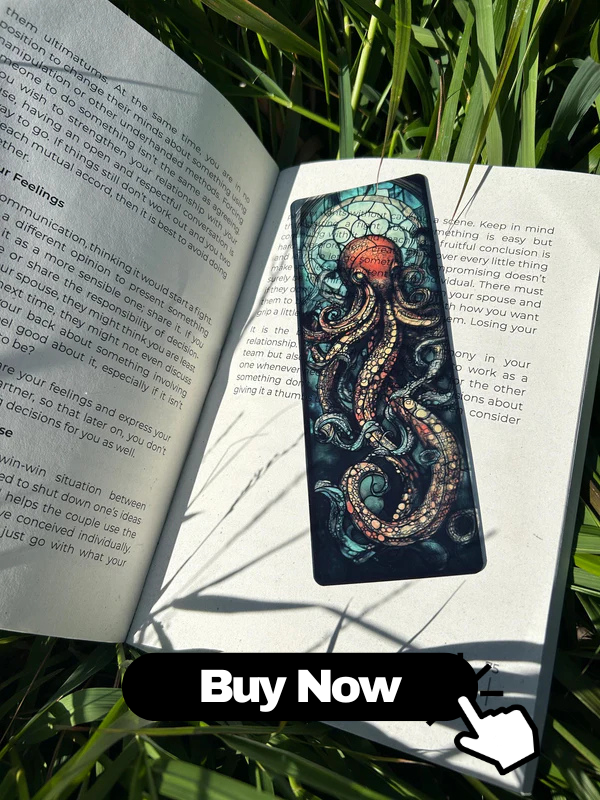
Bookmarks might seem like small, simple tools, but for children they can be powerful helpers that support reading, learning, and creativity. A truly kid-friendly bookmark does more than just save a page—it makes reading more fun, safer, and easier to understand. This article explores in depth what makes a bookmark suitable for kids, from safe materials and child-focused design to educational features and age-appropriate themes. If you’re a parent, teacher, librarian, or bookmark maker, understanding these elements will help you choose or create the best bookmarks for children.
Why Kid-Friendly Bookmarks Matter
A bookmark is a simple object, but a kid-friendly bookmark can have a surprisingly big impact on a child’s reading habits. When designed well, bookmarks for kids can:
- Encourage reading by making books feel special and exciting.
- Support organization so children can easily find where they left off.
- Promote independence as young readers manage their own reading progress.
- Protect books by preventing dog-eared pages and torn corners.
- Reinforce learning with educational content like letters, numbers, or vocabulary.
In homes, schools, and libraries, thoughtfully designed children’s bookmarks can be an affordable tool for building reading routines and turning reading time into something children genuinely look forward to.
Core Features of a Kid-Friendly Bookmark
To understand what makes a bookmark truly child friendly, it helps to look at the core features that matter most. A kid-safe bookmark should combine practicality, safety, enjoyment, and educational value.
Key features of a kid-friendly bookmark include:
- Safe materials (non-toxic, appropriate thickness, no sharp edges)
- Durability to withstand regular, sometimes rough, handling
- Comfortable size and shape for small hands
- Appealing, age-appropriate designs that children enjoy
- Clear functionality—easy to insert and remove without damaging pages
- Optional educational content that supports early literacy and learning
- Motivational or interactive elements to make reading more fun
The following sections break down each of these characteristics so you can better evaluate or create child-friendly bookmarks.
Safe and Durable Materials for Kids’ Bookmarks
Material choice is one of the most important aspects of a kid-friendly bookmark design. Children may bend, chew, or play with bookmarks, so the materials must be both safe and sturdy.
Common Materials for Kid-Friendly Bookmarks
-
Cardstock or thick paper
- Popular for children’s bookmarks due to low cost and easy customization.
- Use thick, high-quality cardstock to reduce tearing.
- Laminate for extra durability and protection from spills.
-
Laminated paper
- Excellent for classrooms and libraries where bookmarks are used heavily.
- Provides a smooth, wipeable surface that resists moisture and dirt.
- Ensure edges are rounded after lamination to avoid sharp corners.
-
Flexible plastic (PVC-free)
- Can be very durable and bend-resistant.
- Look for PVC-free, BPA-free, and non-toxic plastics.
- Avoid overly stiff plastics that may have sharp edges or crack.
-
Wood or bamboo
- Eco-friendly and attractive but must be smoothly finished.
- No splinters, rough edges, or loose chips.
- Better suited to older children, not toddlers.
-
Fabric or felt
- Soft, gentle on pages, and great for sensory engagement.
- Make sure fabrics are colorfast and non-toxic.
- Stitch edges firmly to prevent fraying.
Safety Requirements for Materials
To make a bookmark truly child safe, consider these guidelines:
- Non-toxic inks and dyes — Look for bookmarks printed with soy-based or water-based inks that comply with child-safety standards.
- No small detachable parts — Charms, beads, or tiny decorations can be a choking hazard for younger kids.
- No sharp edges or corners — Round or bevel the corners, and avoid metal or stiff plastic corners that could scratch.
- Moderate flexibility — Bookmarks should be flexible enough not to snap, but not so flimsy they crumple immediately.
- Easy to clean — Especially in schools, a wipeable or washable bookmark surface is ideal for hygiene.
Size, Shape, and Ergonomics
The physical dimensions of a bookmark greatly affect how comfortable and effective it is for children, especially emerging readers.
Ideal Size for Kids’ Bookmarks
While there is no single perfect measurement, kid-friendly bookmark sizes typically fall within these ranges:
- Width: 3–5 cm (about 1.2–2 inches)
- Length: 12–16 cm (about 4.7–6.3 inches)
This size is:
- Easy to grip for small hands.
- Long enough to protrude from the top or side of the book for quick page-finding.
- Short enough not to bend excessively or get caught when books are stacked.
Child-Friendly Shapes
Shapes can transform a simple bookmark into a fun accessory. When creating kid-safe bookmark shapes:
- Use rounded corners instead of sharp points.
- Try character silhouettes (animals, superheroes, princesses, robots) while keeping enough flat area to sit between pages.
- Consider clip-style bookmarks that slide onto the page, but ensure:
- They are not too tight (to avoid tearing pages).
- They have smooth, non-metal edges for safety.
- For very young children, simple rectangles with cheerful designs are often easiest and safest.
Ergonomic Features
Think about how children use bookmarks:
- Grip-friendly surface: Slightly textured materials or a small tab at the top can help kids grasp and move the bookmark.
- Clear top marker: A visible top design (e.g., a character’s head) helps kids remember which side goes up.
- Not too thick: Extremely thick bookmarks can stretch the book’s spine; choose moderate thickness that feels sturdy but slim.
Visual Design and Appeal for Children
The design is what makes children want to use a bookmark. A visually appealing, kid-focused bookmark design can motivate reluctant readers and support literacy routines.
Use of Color
- Bright, cheerful colors attract children’s attention and make bookmarks easy to find.
- Use high contrast to help young or visually impaired readers distinguish shapes and text.
- Avoid overly busy designs that make important text hard to read.
Images and Illustrations
Popular visual themes for kid-friendly bookmarks include:
- Animals: dogs, cats, dinosaurs, jungle animals, sea creatures.
- Fantasy characters: dragons, fairies, wizards, unicorns.
- Space themes: rockets, planets, astronauts.
- Sports and hobbies: soccer, dance, music, art supplies.
- Book characters: icons inspired by well-known children’s books (respecting copyright).
Illustrations should be:
- Positive and friendly, avoiding frightening or violent imagery.
- Culturally inclusive, reflecting diverse children and families.
- Clear and simple, especially for early readers and young children.
Typography and Text
Text on a kid-friendly bookmark should be easy to read and developmentally appropriate.
- Use large, clear fonts with good spacing.
- Avoid overly decorative fonts that are hard for kids to decipher.
- Keep messages short, positive, and encouraging.
Examples of kid-friendly bookmark phrases:
- “Reading is my superpower!”
- “One more chapter!”
- “Books take you anywhere.”
- “I’m a reading star.”
Age-Appropriate Themes and Content
A bookmark that is suitable for a preschooler may not excite a middle-school student. Age-appropriate bookmark design is essential to keep children engaged and safe.
Bookmarks for Toddlers and Preschoolers (Ages 3–5)
- Themes: basic shapes, simple animals, friendly faces, bright colors.
- Content: minimal text or single words (e.g., “Read,” “Smile”).
-
Safety emphasis:
- Extra-large size to avoid choking hazards.
- No detachable parts, no beads, no cords.
- Very durable materials; lamination strongly recommended.
Bookmarks for Early Readers (Ages 6–8)
- Themes: favorite animals, simple fantasy, school-related icons, gentle humor.
- Content: short reading quotes, alphabet, sight words, simple rules (e.g., “Treat books with care”).
- Features: charts to track how many books they’ve read or stars to color in.
Bookmarks for Older Children (Ages 9–12)
- Themes: more complex fantasy, sci-fi, sports, video game style graphics, inspirational quotes.
- Content: slightly longer motivational messages, book recommendations, or mini reading challenges.
- Features: reading logs, goal trackers, or small calendar grids.
Bookmarks for Teens
While still technically “kids,” teenagers often prefer more mature designs:
- Themes: abstract art, minimalist design, favorite genres (mystery, fantasy, manga).
- Content: quotes from classic literature, empowering affirmations, subtle humor.
- Style: less “cute,” more sophisticated; neutral or darker color palettes.
Educational and Interactive Elements
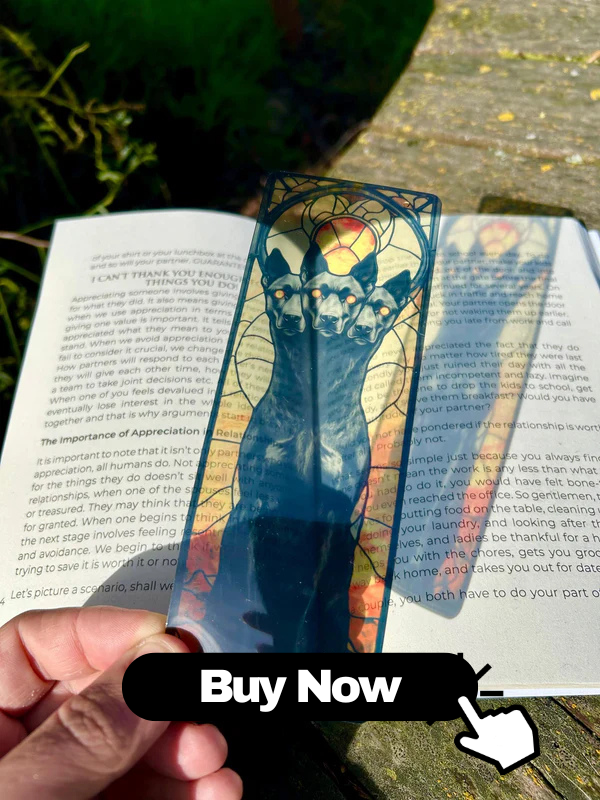
One of the biggest advantages of children’s bookmarks is their potential to support learning. A bookmark is seen every time a child reads, making it a perfect place for gentle, repetitive reinforcement.
Educational Content Ideas
-
Early literacy support
- Alphabet (A–Z) with corresponding images.
- Common sight words for beginning readers.
- Phonics hints (short vowels, long vowels, blends).
-
Math skills
- Basic addition and subtraction tables.
- Multiplication charts (e.g., 1–10 times tables).
- Common fractions with visual representations.
-
Science and nature
- Planets of the solar system.
- Life cycle diagrams (butterfly, frog, plant).
- Fun facts about animals, weather, or space.
-
Language learning
- Simple vocabulary in a second language (e.g., English–Spanish word pairs).
- Common phrases or greetings.
Interactive Features
Interactive bookmarks can make reading time feel like a game. Some ideas for interactive kid-friendly bookmarks include:
-
Reading trackers
- Small checkboxes for each chapter finished.
- Spaces to write down book titles read.
- Star charts to color as reading goals are met.
-
Mini activities
- Short riddles or jokes on each side.
- A tiny word search or maze.
- “Would you rather…?” reading prompts.
-
DIY customization
- Blank areas where kids can write their name or decorate with drawings.
- Coloring bookmark templates that children can color themselves.
Safety Considerations and Standards
When making or buying kid safe bookmarks, safety is non-negotiable, especially for younger children. Even though bookmarks are small, they should comply with general safety guidelines for children’s products.
Choking and Strangulation Risks
- Avoid small detachable pieces such as beads, tiny tassels, charms, or magnets that could come loose.
-
Be cautious with strings or ribbons:
- Keep them short and firmly attached.
- Avoid long cords for very young children.
- Do not use very small clip-on accessories with toddlers or preschoolers.
Chemical Safety
- Choose bookmarks labeled non-toxic and compliant with relevant toy or child-product safety standards in your region.
- Avoid strong chemical odors or cheap plastic that might contain unsafe additives.
- Use water-based glues and sealants in DIY projects.
Physical Safety
- Round all corners on paper, plastic, or laminated bookmarks.
- Check for splinters in wooden bookmarks and sand thoroughly.
- Ensure metal bookmarks have smooth, blunt edges and are best reserved for older children.
Making Bookmarks Fun and Motivating
Beyond safety and durability, a kid-friendly bookmark should make reading something children are excited about.
Motivational Messages
Positive, encouraging phrases can:
- Build reading confidence.
- Help children see themselves as readers.
- Turn the bookmark into a tiny source of inspiration.
Examples of motivating bookmark messages for kids:
- “You can do hard things—keep reading!”
- “Every page is progress.”
- “Books are adventures you can hold.”
Gamifying Reading with Bookmarks
Bookmarks can become part of reading challenges or incentive systems:
- Add spaces for stickers when a child finishes a chapter or book.
- Create bookmark sets where each bookmark represents a different reading goal.
- Include a small reward tracker (e.g., “After 10 stars, choose a new book”).
Classroom and Library Use
In classrooms and libraries, kid-friendly bookmarks become practical tools for managing groups of readers and encouraging literacy.
Bookmarks as Classroom Tools
- Reading group markers: Different colors or themes for different reading groups.
- Rules reminders: Bookmarks printed with library or classroom book-care rules.
- Curriculum support: Bookmarks featuring spelling lists, math facts, or science vocabulary.
Bookmarks in School and Public Libraries
- Library branding: Bookmarks with library logos and hours, designed specifically for kids.
- Event promotion: Special bookmarks to advertise reading programs, summer reading challenges, or author visits.
- Take-home literacy tools: Free children’s bookmarks that encourage borrowing and returning books.
DIY Kid-Friendly Bookmarks: Ideas and Tips
Creating your own bookmarks for kids is a fun, budget-friendly activity that can double as a reading craft project.
Simple DIY Bookmark Materials
- Thick paper or cardstock
- Washable markers, crayons, or colored pencils
- Child-safe scissors with rounded tips
- Stickers and washi tape
- Clear contact paper or laminating sheets
- Optional: short ribbons, yarn, or fabric scraps
Kid-Friendly Bookmark Craft Ideas
-
Coloring Page Bookmarks
- Print bookmark-sized outlines with simple designs.
- Let children color and personalize them.
- Laminating at the end makes them durable and shiny.
-
Photo Bookmarks
- Use small photos of the child, family, or pets.
- Mount on cardstock and decorate around the photo.
- Laminate for protection.
-
Corner Bookmarks
- Fold small squares of paper into corner pockets.
- Decorate as animals, monsters, or favorite characters.
- Slide onto the corner of the page.
-
Fabric or Felt Bookmarks
- Cut simple rectangles from felt or sturdy fabric.
- Decorate with fabric markers or sewn-on shapes (for older kids).
- Soft, safe, and gentle on pages.
Safety Tips for DIY Projects
- Supervise young children using scissors, glue, or small decorations.
- Avoid very small add-ons (beads, tiny buttons) for kids who might put objects in their mouths.
- Use washable, non-toxic art supplies only.
Eco-Friendly and Sustainable Options
Many families and schools are looking for eco-friendly kid bookmarks that are both safe for children and gentle on the environment.
Sustainable Materials
- Recycled paper or cardstock printed with eco-conscious inks.
- Bamboo or sustainably sourced wood with a smooth finish.
- Organic cotton or recycled fabric for soft bookmarks.
Low-Waste Bookmark Practices
- Create reusable bookmarks that last, rather than disposable, single-use designs.
- Use scrap paper or cardboard (e.g., cereal boxes) for DIY bookmarks.
- Encourage children to recycle old bookmarks or repurpose them into art projects.
Tips for Choosing the Right Bookmark for Your Child
When selecting a kid-friendly bookmark, it helps to consider the child’s age, reading level, and personality.
Key Questions to Ask
-
Is it safe for the child’s age?
- No small parts or long cords for young children.
- Rounded corners and non-toxic materials.
-
Does it match the child’s interests?
- Choose themes (animals, sports, fantasy) that the child loves.
- Let older kids select their own designs for ownership and pride.
-
Is it durable enough for everyday use?
- Classrooms and libraries need more robust, laminated options.
- Home use can be more flexible but still benefits from sturdiness.
-
Does it support reading habits?
- Bookmarks with trackers or motivating quotes can reinforce reading goals.
- Simple, clutter-free designs support focus for some children.
Frequently Asked Questions About Kid-Friendly Bookmarks
Are metal bookmarks safe for children?
Metal bookmarks can be safe for older children and teens if they have:
- Smooth, rounded edges.
- No sharp cut-out designs.
- No long chains or small detachable charms.
They are generally not recommended for toddlers or very young kids due to the risk of scratches or mishandling.
What is the best bookmark material for a classroom?
For classrooms and libraries, the most practical option is usually:
- Laminated cardstock bookmarks with rounded corners.
They are:
- Durable and tear-resistant.
- Easy to wipe clean.
- Customizable with educational content and classroom rules.
How many bookmarks should a child have?
There is no strict rule, but having several bookmarks can be helpful:
- At least one for home reading.
- One for school or library books.
- Extra bookmarks for different subjects or series.
Rotating designs can keep interest high and make reading feel fresh.
Can bookmarks actually improve reading habits?
While bookmarks alone do not teach a child to read, they can:
- Make reading feel more special and personal.
- Help children track their progress, which is motivating.
- Support reading routines by reminding kids where they left off.
- Reinforce positive reading messages and educational content.
Conclusion
A kid-friendly bookmark is far more than a strip of paper. It is a small, powerful tool that encourages children to read, care for their books, and take pride in their progress. The best bookmarks for kids combine:
- Safe, durable materials suitable for children’s use.
- Comfortable size and shape for small hands and delicate pages.
- Appealing, age-appropriate designs that reflect children’s interests.
- Educational and motivational elements that support literacy and learning.
Whether you are purchasing children’s bookmarks or creating your own DIY designs, focusing on safety, fun, and function will help you choose or craft bookmarks that kids truly love. Thoughtfully designed bookmarks can turn everyday reading into a more joyful, engaging experience—and help young readers build a lifelong relationship with books.