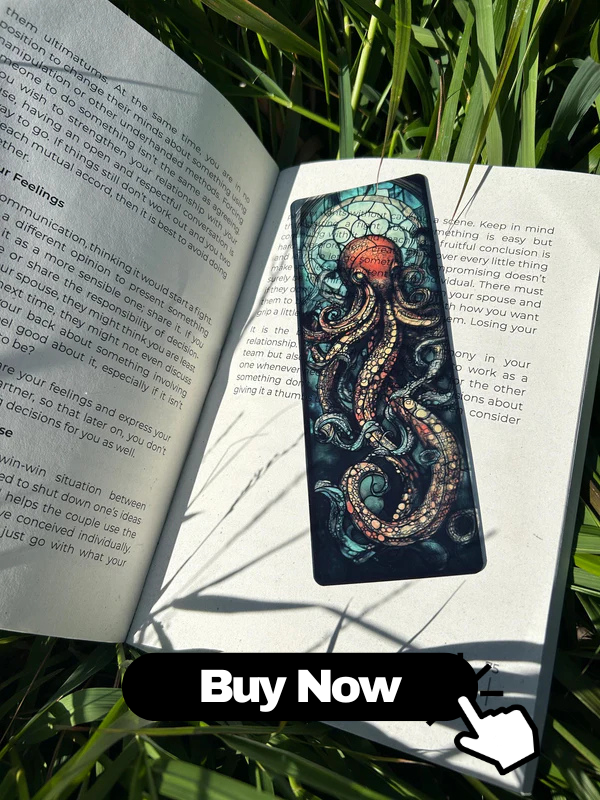
Colorful, creative bookmarks have become surprisingly powerful tools in children’s reading habits. Rather than grabbing any scrap of paper, kids are reaching for fun bookmarks—featuring their favorite characters, bright designs, and playful textures. This growing preference isn’t just about looks. It’s rooted in motivation, emotional connection, sensory experience, and learning psychology. In this detailed guide, we’ll explore why kids prefer fun bookmarks over plain paper, how these bookmarks support reading and learning, and how parents, teachers, and librarians can use them to inspire a lifelong love of books.
1. Why Fun Bookmarks Attract Kids More Than Plain Paper
At first glance, a bookmark is simply a way to mark a page. Yet, children consistently choose fun, themed bookmarks instead of plain slips of paper. The reason lies in a combination of visual appeal, novelty, and personal identity.
- Visual stimulation: Kids are naturally drawn to bright colors, playful patterns, and cute characters. A fun bookmark feels like a tiny toy inside a book.
- Sense of ownership: A personalized or character-themed bookmark gives kids a sense of “this is mine,” strengthening their connection to reading time.
- Novelty and excitement: While a torn piece of paper is forgettable, a new or favorite bookmark can make the act of opening a book feel special.
- Tactile enjoyment: Many fun bookmarks use different textures—foam, felt, ribbons, 3D shapes—that make them more enjoyable to handle.
In short, kids prefer fun bookmarks because they transform a simple reading tool into something playful, expressive, and engaging—all of which matter deeply in childhood.
2. The Psychology Behind Fun Bookmarks for Children
Understanding why children choose fun bookmarks over plain paper is easier when we look at basic principles of child psychology and learning behavior.
2.1 Intrinsic vs. extrinsic motivation
- Intrinsic motivation is when a child reads because they enjoy it.
- Extrinsic motivation involves outside rewards, such as stickers or praise.
Fun bookmarks can tap into both:
- They enhance the intrinsic pleasure of reading by making books feel like part of a fun, imaginative world.
- They can also act as small rewards (“You finished a chapter, now you can use your new bookmark”), reinforcing positive reading habits.
2.2 Association and positive reinforcement
Children form emotional associations with objects and routines. When reading is consistently paired with colorful, cheerful bookmarks, kids begin to associate reading with:
- Comfort and enjoyment
- Personal choice (choosing a bookmark for each book)
- Creative expression
2.3 Sense of control and autonomy
Kids often have limited control over their daily routines. Selecting a fun bookmark gives them a small but meaningful decision in their reading process:
- They choose the bookmark.
- They decide where to place it.
- They may even “assign” certain bookmarks to certain books.
This sense of autonomy boosts engagement and empowers children to feel like real readers.
3. Emotional Connection: Characters, Colors, and Personal Meaning
Many children’s bookmarks feature favorite characters from books, cartoons, movies, or animals they love. This creates an emotional bridge between the bookmark and the reading experience.
3.1 Character-based bookmarks
- Familiar faces: Bookmarks with superheroes, princesses, animals, or game characters increase a child’s excitement to open a book.
- Story continuity: A character bookmark related to the book’s theme (e.g., a dragon for a fantasy novel) helps kids stay immersed in the story world.
3.2 Colors and mood
Color psychology suggests that bright, vivid colors can elevate mood and attention. Fun bookmarks often use:
- Warm colors (reds, oranges, yellows) that feel energetic and happy.
- Cool colors (blues, purples, greens) that feel calming and cozy, perfect for bedtime reading.
3.3 Personalized and name bookmarks
Bookmarks that include a child’s name, initials, or drawings become cherished items. This personalization can:
- Increase their sense of ownership over books and reading.
- Encourage kids to care for their books, because they now have a special accessory to go with them.
4. How Fun Bookmarks Support Reading Motivation and Habits
Reading motivation is a major concern for parents and educators. Fun bookmarks may seem simple, but they can have a surprisingly strong effect on daily reading habits.
4.1 Turning reading into a ritual
Children thrive on routines. A consistent “reading ritual” might include:
- Choosing a book.
- Selecting a favorite bookmark.
- Settling into a cozy reading spot.
- Placing the bookmark after each chapter or page goal.
The bookmark becomes a symbol of the reading routine, making it easier to form long-term habits.
4.2 Visual progress tracking
For kids, visually seeing how far they’ve read can be motivating. A bookmark serves as a progress marker:
- They open the book and see how many pages they’ve finished.
- They move the bookmark forward, creating a sense of achievement.
4.3 Gamifying reading
Fun bookmarks can be integrated into simple reading games, such as:
- Bookmark challenges: “Move your bookmark five pages every day this week.”
- Collectible bookmarks: Kids earn a new bookmark for finishing a book or meeting reading goals.
- Themed reading: Use an animal bookmark during a nature-themed reading month.
These playful strategies make reading feel less like a chore and more like a game.
5. Educational Benefits of Using Fun Bookmarks With Kids
Beyond preference, fun bookmarks support several educational and developmental goals.

5.1 Improved focus and organization
- Bookmarks help children return to the exact spot they left off, reducing confusion and frustration.
- Kids using bookmarks are more likely to organize their reading, especially when managing multiple books.
5.2 Supporting comprehension and recall
Certain types of educational bookmarks can include:
- Question prompts (“Who is the main character?” “What happened in this chapter?”).
- Vocabulary lists or reading tips.
- Space for notes (for older children) to jot down thoughts or new words.
These prompts remind children to think actively about the text, which improves comprehension and retention.
5.3 Encouraging responsibility and book care
- When children value their fun bookmarks, they often show more respect for the book itself.
- Instead of bending pages (dog-earing), they use bookmarks, learning to care for shared resources like library books.
5.4 Supporting different learning styles
Fun bookmarks can appeal to:
- Visual learners through bold colors and images.
- Kinesthetic learners with textured, interactive, or DIY bookmarks.
- Verbal learners via bookmarks that contain words, quotes, or prompts.
6. Popular Types of Fun Bookmarks Kids Love
There are many different styles of children’s bookmarks, and each type appeals to different personalities and age groups.
6.1 Character and themed bookmarks
- Cartoon characters
- Superheroes and fantasy creatures
- Animals and nature themes
- Sports, hobbies, or musical instruments
6.2 3D and textured bookmarks
- Bookmarks with raised designs, foam pieces, or felt.
- Bookmarks that clip onto the page, sometimes shaped like animals or funny faces.
- Ribbon bookmarks with beads or charms at the end.
6.3 Interactive bookmarks
- Bookmarks with rulers or measurement markings.
- Bookmarks that double as coloring strips or contain puzzles and mini-games.
- Magnetic bookmarks that gently clasp around a page.
6.4 Educational bookmarks
- Alphabet and phonics bookmarks for early readers.
- Bookmarks with math facts, shapes, or times tables.
- Language-learning bookmarks with basic vocabulary words.
Offering a range of these fun, creative bookmarks lets kids experiment and discover which styles they enjoy most.
7. DIY Bookmark Ideas: Let Kids Design Their Own
One powerful way to deepen a child’s attachment to reading is to let them make their own bookmarks. DIY bookmarks are inexpensive, personal, and highly engaging.
7.1 Simple DIY bookmark supplies
- Thick paper or cardstock
- Markers, crayons, colored pencils
- Stickers, stamps, washi tape
- Glue sticks and safety scissors
- Ribbon or yarn (for tassels)
- Optional: laminating sheets or clear tape for durability
7.2 Creative DIY bookmark ideas
-
Name bookmarks:
- Have kids write their name in big, bold letters.
- Decorate with colors that match their personality.
-
Character bookmarks:
- Draw their favorite animal or hero.
- Cut around the shape and mount it on a strip of cardstock.
-
Monster corner bookmarks:
- Fold paper into a triangle that slips onto the page corner.
- Add eyes, teeth, and funny details to create a “reading monster.”
-
Quote bookmarks (for older kids):
- Write a favorite quote about books, reading, or kindness.
- Decorate with simple doodles and symbols.
7.3 Benefits of DIY bookmarks
- Boosts creativity and fine motor skills.
- Strengthens ownership and pride in reading tools.
- Provides a fun family or classroom activity that reinforces the value of books.
8. Practical Tips for Parents, Teachers, and Librarians
Adults can strategically use fun bookmarks to encourage children to read more often and with more enthusiasm.
8.1 For parents
- Keep a small basket of bookmarks near the family reading corner.
- Let children choose a new bookmark when they start a new book or series.
- Include bookmarks as small gifts or stocking stuffers to reinforce a reading-friendly home.
8.2 For teachers
- Use fun bookmarks as rewards in reading programs or literacy centers.
- Allow students to design class bookmarks, then laminate them for long-term use.
- Create theme-based bookmarks for special reading weeks or book fairs.
8.3 For librarians
- Offer free fun bookmarks during library events, story times, or reading challenges.
- Display bookmarks near the children’s section to encourage browsing and borrowing.
- Partner with schools to create library-branded bookmarks that promote reading and library visits.
9. How to Choose the Right Bookmarks for Different Age Groups
Not all bookmarks suit every child. Choosing age-appropriate designs helps ensure safety, interest, and durability.
9.1 Toddlers and preschoolers (ages 3–5)
-
Features to prioritize:
- Large size, no small detachable parts.
- Soft materials (foam, felt) for safety.
- Simple, bold images and bright colors.
- Avoid tiny charms, sharp edges, or fragile paper that tears easily.
9.2 Early readers (ages 6–8)
- Choose bookmarks with:
- Favorite characters and animals.
- Basic words or short encouraging phrases (“You can read this!”).
- Simple interactive elements, like magnetic clips.
9.3 Tweens and older kids (ages 9+)
- Offer:
- More subtle designs or artistic patterns.
- Bookmarks with quotes, humor, or fandom references.
- Educational bookmarks (vocabulary, facts) that match their interests.
10. Fun Bookmarks in a Digital Age: Why They Still Matter
As e-books and tablets become more common, some people assume bookmarks are less relevant. Yet for children, physical books and tangible bookmarks still play a vital role.
- Tactile experience: Handling a real book and a real bookmark engages multiple senses, which supports learning and memory.
- Screen-free time: A fun bookmark can make print books more appealing, balancing out digital entertainment.
- Collectible appeal: Kids enjoy collecting bookmarks, trading them with friends, and displaying them—something that digital “bookmarks” can’t replace.
Even children who use e-readers often switch between digital and print. Fun bookmarks help keep physical reading exciting and special.
11. FAQ: Kids, Bookmarks, and Reading Engagement
11.1 Do bookmarks really make kids read more?
Bookmarks by themselves don’t guarantee increased reading, but they are effective supporting tools. When combined with a positive reading environment, regular read-aloud time, and access to engaging books, fun bookmarks can:
- Make reading feel more enjoyable.
- Encourage kids to return to their books more often.
- Help create consistent reading routines.
11.2 Are plain paper bookmarks “bad” for kids?
No. A simple piece of paper can still work as a bookmark. However, fun, thoughtfully designed bookmarks can offer additional benefits in terms of motivation, emotional connection, and learning.
11.3 How many bookmarks should a child have?
There’s no fixed number, but having a small variety of fun bookmarks allows kids to:
- Match bookmarks to different books.
- Express their personality and interests.
- Stay excited about reading over time.
11.4 Are DIY bookmarks as good as store-bought ones?
Yes—and often better in terms of emotional value. Handmade bookmarks encourage creativity and give children a deeper sense of pride and ownership in their reading tools.
12. Conclusion: Small Tools, Big Impact
Children’s preference for fun bookmarks over plain paper is far more than a matter of style. These small, colorful tools:
- Make books feel more exciting and personal.
- Support reading routines, focus, and motivation.
- Encourage creativity, responsibility, and a positive attitude toward learning.
By offering kids engaging, imaginative bookmarks—and even inviting them to design their own—parents, teachers, and librarians can transform simple reading moments into joyful, memorable experiences. In a world full of screens and distractions, a fun bookmark is a surprisingly powerful way to keep children turning real pages, exploring new stories, and building a lifelong love of reading.