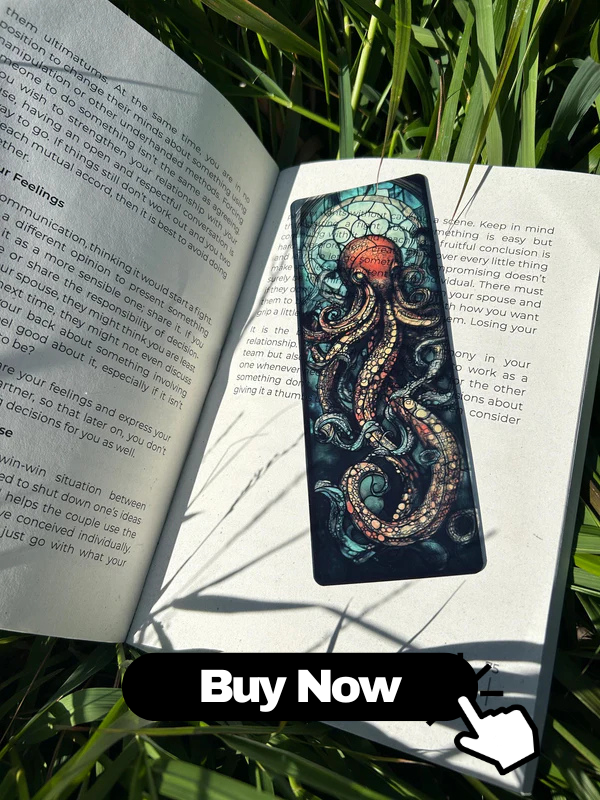
Colorful bookmarks, character-themed page markers, and DIY corner clips aren’t just cute accessories—they’re powerful tools that keep children excited about reading. Understanding why kids prefer fun bookmarks over plain paper can help parents, teachers, and librarians encourage stronger reading habits, boost motivation, and create a positive relationship with books. In this detailed guide, we’ll explore the psychology behind fun bookmarks, their educational benefits, and how to choose or create the best children’s bookmarks for different age groups.
1. Why Kids Love Fun Bookmarks More Than Plain Paper
Plain strips of paper or folded corners might mark a page, but they don’t spark excitement. Children are naturally drawn to colorful, playful, and personalized bookmarks because they transform reading from a routine task into a fun, sensory experience.
Several factors explain why kids overwhelmingly prefer fun bookmarks:
- Visual appeal: Bright colors, patterns, and pictures attract children’s eyes and curiosity.
- Emotional connection: Bookmarks featuring favorite characters, animals, or themes feel more personal and special.
- Sense of ownership: A unique bookmark becomes “theirs,” giving kids a feeling of pride and control over their reading.
- Tactile enjoyment: Textured, 3D, or interactive bookmarks are more satisfying to handle than thin paper scraps.
- Playfulness: Bookmarks that look like monsters, animals, or funny faces turn reading into a game kids want to revisit.
When we compare a fun children’s bookmark to a plain paper placeholder, it’s obvious why kids gravitate toward the more engaging option: it aligns with how they learn, play, and express themselves.
2. The Psychology Behind Children’s Bookmark Preferences
To understand why kids prefer fun bookmarks over plain paper, it helps to look at basic principles of child psychology, motivation, and learning.
2.1 Visual stimulation and attention
- Children’s brains are highly responsive to visual stimuli such as bright colors and high-contrast images.
- A visually interesting bookmark can act as a cue that captures attention, drawing kids back to their book more readily.
- Fun designs help distinguish reading time from other activities, creating a clear mental association between bookmark + book = enjoyable time.
2.2 Emotional attachment and personalization
- Children often develop strong attachments to objects that reflect their interests.
- Bookmarks featuring:
- favorite cartoon characters,
- dinosaur or unicorn designs,
- sports themes, superheroes, or animals
- Personalized bookmarks with a child’s name, photo, or artwork create a deeper sense of ownership and pride.
2.3 Intrinsic vs. extrinsic motivation
- A plain piece of paper offers no emotional reward; it simply “does the job.”
- A fun bookmark, however, can act as a small reward that:
- makes opening the book more exciting,
- creates positive expectations about reading,
- encourages children to come back to their place in the story.
- Over time, this can help shift reading from an externally motivated task (something they “have to” do) to an internally motivated habit they enjoy.
2.4 Play and imagination
- Children learn through play. When bookmarks feel playful, they blend reading with imaginative exploration.
- Bookmarks shaped like:
- dragons wrapping around the page,
- monsters “eating” the corner,
- mermaids diving into a story,
- This playful connection significantly increases the appeal of children’s bookmarks compared to plain, functional markers.
3. Educational Benefits of Fun and Creative Bookmarks
Fun bookmarks aren’t just decorative. They can offer several educational and developmental benefits that support literacy and learning.
3.1 Encouraging consistent reading habits
- Children are more likely to return to a book when they feel excited about the reading process.
- A beloved bookmark becomes a visual reminder: “This is where my story continues; I want to know what happens next.”
- By increasing the frequency with which kids pick up their books, bookmarks indirectly support:
- improved reading fluency,
- better comprehension,
- stronger vocabulary growth.
3.2 Teaching responsibility and book care
- Using bookmarks helps children protect their books:
- no more dog-eared corners,
- fewer torn pages,
- less damage from folding or creasing.
- When kids choose and care for their own bookmark, they learn:
- to treat books as valuable objects,
- to keep track of small personal items,
- to develop organized reading habits.
3.3 Supporting comprehension and recall
- Some educational bookmarks are printed with:
- reading strategies (e.g., “predict, question, summarize”),
- phonics rules or sight words,
- question prompts to discuss characters, setting, and plot.
- These tools help children:
- develop active reading habits,
- better understand what they read,
- practice comprehension skills every time they open a book.
3.4 Encouraging creativity and self-expression
- DIY bookmarks invite kids to:
- draw, color, cut, and glue,
- experiment with shapes and textures,
- share their creations with friends and family.
- By designing their own creative bookmarks for kids, children express individuality and connect reading to their own interests.
4. Popular Types of Bookmarks Kids Prefer
There are many types of children’s bookmarks that appeal to different ages, personalities, and reading levels. Understanding these can help you choose the most engaging options.
4.1 Character and themed bookmarks
- Cartoon and movie characters: superheroes, princesses, animated film heroes.
- Animal themes: cats, dogs, pandas, sharks, dinosaurs.
- Fantasy themes: dragons, unicorns, mermaids, wizards.
- Hobby-related themes: sports, music, space, gaming.
These are particularly effective because they match a child’s existing interests, making reading feel like an extension of their favorite worlds.
4.2 Magnetic bookmarks
- Fold-over bookmarks with magnets inside that clip securely to the page.
- Advantages:
- less likely to fall out of the book,
- safe for backpacks and school bags,
- come in many fun shapes and designs.
4.3 Corner bookmarks
- Bookmarks that slip over the corner of the page, often shaped like:
- monster mouths,
- animals,
- geometric patterns.
- They are particularly popular in DIY projects and are easy for kids to make themselves.
4.4 3D and tactile bookmarks
- Bookmarks with:
- ribbons and tassels,
- raised textures,
- charms or beads,
- moving parts (e.g., sliders or flaps).
- The added sensory experience makes them especially attractive to younger children or those with sensory-seeking tendencies.
4.5 Personalized bookmarks
- Bookmarks printed with the child’s:
- name,
- photo,
- favorite colors and patterns.
- Kids often treat these as special treasures, increasing their attachment to reading time.
5. Design Elements That Attract Kids to Bookmarks
Good bookmark design for kids goes beyond decoration. Certain elements consistently capture children’s attention and make bookmarks irresistible.
5.1 Color and contrast
- Bright, high-contrast color schemes immediately stand out.
- Popular combinations:
- blue and yellow,
- pink and teal,
- red and black (for superhero themes).
- Soft pastels may appeal to some children, but bold colors are generally more eye-catching.
5.2 Imagery and themes
- Use imagery that:
- matches the child’s current interests,
- reflects the type of books they enjoy (fantasy, animals, mystery),
- feels age-appropriate and relatable.
- Bookmarks that echo elements from the book itself (e.g., a pirate bookmark for a pirate story) can enhance immersion.
5.3 Typography and messages
- Easy-to-read fonts with clear letters support younger readers.
- Inspirational phrases such as:
- “Reading is an adventure!”
- “One more chapter!”
- “Books take you everywhere.”
- Including reading logs or checkboxes on the back of a bookmark can add a sense of progress and achievement.
5.4 Size and shape
- For picture books, larger bookmarks are easier for little hands to manage.
- For chapter books, slim, medium-length bookmarks work best to avoid:
- bending,
- falling out,
- covering too much text.
- Novel shapes (animals, arrows, speech bubbles) add visual interest without compromising usability.
6. How Fun Bookmarks Boost Reading Motivation
One of the most important reasons kids prefer fun bookmarks over plain paper is their impact on motivation. A simple visual tool can encourage children to read more frequently and enthusiastically.
6.1 Making reading feel special
- Assigning a special bookmark to a new book creates a mini ritual:
- Choose the bookmark.
- Place it in the book.
- Begin the journey.
- This ritual signals that reading is an event worthy of anticipation and attention.
6.2 Tracking progress visually
- As the bookmark moves deeper into the book, children can see their progress at a glance.
- This visual feedback:
- boosts confidence,
- shows that they “can do it,”
- provides motivation to continue.
6.3 Reducing frustration
- Without a reliable bookmark, children may lose their place and feel frustrated.
- A secure, fun bookmark reduces:
- lost-page anxiety,
- time spent searching for the correct spot,
- interruptions in the reading flow.
- Less frustration means a more positive reading experience overall.
7. Using Bookmarks at Home: Tips for Parents
Parents can use fun bookmarks for kids as part of a broader strategy to cultivate a love of reading.

7.1 Create a “bookmark basket”
- Keep a small basket or box of bookmarks near your child’s reading area.
- Include a variety:
- character bookmarks,
- magnetic bookmarks,
- DIY and handmade options.
- Let children choose a new bookmark whenever they start a new book.
7.2 Involve kids in choosing bookmarks
- Ask your child:
- “Which bookmark matches this story?”
- “Do you want a funny, cute, or cool bookmark today?”
- Giving kids control increases their engagement and commitment to reading.
7.3 Pair bookmarks with reading goals
- Use bookmarks as:
- rewards for reaching reading milestones,
- visual reminders of current goals (e.g., “20 minutes a day”),
- markers for family read-aloud sessions.
- You might write a goal on the back of the bookmark:
- “Read 5 chapters this week.”
- “Try one new book genre.”
8. Using Bookmarks in the Classroom: Tips for Teachers
Teachers can harness classroom bookmarks to promote literacy, responsibility, and classroom routines.
8.1 Bookmark routines
- Provide each student with a designated bookmark at the start of the year.
- Teach a simple routine:
- Place the bookmark when the teacher says “pause.”
- Close the book gently.
- Store the book in the correct place.
- This reinforces organization and respect for books.
8.2 Educational bookmark content
- Create or purchase bookmarks that include:
- reading comprehension prompts,
- phonics charts or letter blends,
- vocabulary builders or mini word lists.
- These can double as quick-reference tools during independent or guided reading.
8.3 Bookmarks as classroom rewards
- Use special edition bookmarks as:
- prizes in reading challenges,
- incentives for independent reading,
- celebrations of reading achievements.
- Because bookmarks are inexpensive and practical, they make ideal rewards that continue to support literacy.
9. DIY Bookmark Ideas Kids Absolutely Love
Homemade bookmarks add an extra layer of personalization and creativity, deepening children’s connection to reading.
9.1 Simple paper strip bookmarks
- Cut cardstock into strips.
- Let kids decorate with:
- markers and crayons,
- stickers, stamps, and washi tape,
- drawings of favorite book characters.
- Lamination (or clear tape) can make them more durable.
9.2 Corner monster bookmarks
- Fold a square piece of paper into a corner pocket.
- Add teeth, eyes, and colored tongue shapes.
- Kids can design:
- happy monsters,
- dragons,
- animals or aliens.
9.3 Ribbon and button bookmarks
- Cut a ribbon slightly longer than the book height.
- Sew or glue a decorative button or felt shape to one or both ends.
- Wrap the ribbon around the book as a stylish, tactile bookmark.
9.4 Photo bookmarks
- Print a small photo of the child (standing or making a funny pose).
- Mount it on cardstock and cut around the silhouette.
- Laminate if possible.
- Attach a small tab or base so that it “stands” above the book.
These DIY bookmark crafts are not only fun activities but also help children take pride in their reading accessories.
10. Best Bookmarks by Age Group
Different ages have different needs, preferences, and motor skills. Tailoring bookmarks to age enhances both safety and appeal.
10.1 Toddlers and preschoolers (ages 3–5)
-
Features to prioritize:
- large, sturdy bookmarks,
- rounded edges for safety,
- simple, bold images (animals, shapes, primary colors).
-
Avoid:
- small detachable parts,
- sharp corners or metals,
- complex designs that might tear easily.
10.2 Early readers (ages 6–8)
-
Features to prioritize:
- character bookmarks (superheroes, princesses, animals),
- slim but sturdy cardstock or magnetic bookmarks,
- simple words or phrases that support decoding skills.
-
Great options:
- monster corner bookmarks,
- basic DIY paper strip bookmarks,
- bookmarks with early chapter book themes.
10.3 Middle grade readers (ages 9–12)
-
Features to prioritize:
- more sophisticated designs and humor,
- themes based on fantasy, mystery, sports, or hobbies,
- motivational or funny quotes.
-
Great options:
- magnetic bookmarks with stylish graphics,
- bookmarks featuring book series they love,
- DIY photo or artwork bookmarks.
10.4 Teens and young adults
-
Features to prioritize:
- minimalist or aesthetic designs,
- bookish quotes and literary references,
- subtle fandom themes.
- At this stage, fun bookmarks still matter; they can express identity, fandom, and personality.
11. Safety and Durability Considerations for Kids’ Bookmarks
When choosing or creating bookmarks for children, it’s important to ensure they are both safe and long-lasting.
11.1 Safety tips
- Avoid:
- very small detachable beads or charms for young children,
- sharp metal edges or pins,
- toxic glues or paints (use child-safe materials).
- Inspect DIY bookmarks for:
- securely attached pieces,
- smooth edges,
- no choking hazards for siblings.
11.2 Durability tips
- Use thick cardstock or laminated paper for stability.
- Choose magnetic bookmarks or corner bookmarks for:
- school bags,
- travel,
- shared books.
- Teach children to:
- insert bookmarks gently,
- avoid folding or crumpling them,
- store them in a safe place when not in use.
12. Bookmarks as Gifts, Rewards, and Reading Incentives
Because they are small, affordable, and customizable, fun bookmarks make ideal gifts and reading incentives.
12.1 Gift ideas
- Pair a children’s book with a matching themed bookmark as a birthday or holiday gift.
- Create a set of personalized bookmarks for:
- classmates,
- cousins,
- reading club members.
12.2 Reading challenges and rewards
- Offer a new bookmark as a reward for:
- completing a reading log,
- finishing a challenging book,
- participating in a library program.
- Different “levels” of bookmarks (simple to special edition) can correspond to reading milestones.
13. Where to Find or Buy Kid-Friendly Bookmarks
There are many places to find kid-friendly bookmarks that appeal to different tastes and budgets.
- Bookstores: Most physical bookstores offer bookmark displays near the children’s section.
-
Online marketplaces: Search for terms like:
- “fun bookmarks for kids,”
- “children’s character bookmarks,”
- “magnetic bookmarks for kids.”
-
Educational suppliers: Companies that serve schools often sell:
- reading strategy bookmarks,
- phonics bookmarks,
- motivational literacy bookmarks.
- Printable bookmark templates: Many websites offer free or low-cost printable bookmarks you can customize at home.
- Local libraries: Libraries often give away simple bookmarks or host bookmark-making crafts for children.
14. Conclusion: Turning a Simple Bookmark into a Reading Superpower
The preference kids show for fun bookmarks over plain paper is far from trivial. It reflects how children engage with the world: visually, emotionally, and playfully. A creative bookmark can:
- capture a child’s attention,
- make reading feel special and enjoyable,
- support consistent reading habits,
- teach responsibility and care for books,
- encourage creativity and self-expression.
By choosing or creating engaging, kid-friendly bookmarks and integrating them into daily reading routines at home and in the classroom, adults can turn a simple accessory into a powerful tool for building lifelong readers. Instead of a plain piece of paper, give children a bookmark that reflects who they are and what they love—and watch their interest in books grow page by page.